UNL report shows second year of falling Nebraska land values
The value of agricultural land in Nebraska declined 1% over the past year to an average of $3,905 per acre as of Feb. 1, 2026, according to a preliminary report from the University of Nebraska-Lincoln’s 2025-26 Farm Real Estate Market Survey.
The report, released March 18 by the university’s Center for Agricultural Profitability, marks the second consecutive year of declining land values after the market reached $4,015 per acre in 2024.
Land industry professionals who participated in the survey cited lower crop prices, higher input costs and prevailing interest rates as key factors behind the decline.
“Many operations are facing tighter liquidity as crop revenues decline while input costs remain elevated,” said Jim Jansen, extension agricultural economist who leads the annual survey. “Those conditions are leading producers and lenders to take a more cautious approach when navigating these financial pressures.”
Crop receipts in Nebraska fell by about $576.6 million, or 16%, in 2025, reflecting lower corn prices and reduced soybean and wheat production. Those losses were partially offset by a $3.22 billion increase in livestock receipts statewide. Jansen said the divergence in crop and livestock profitability was reflected in land value trends across regions.
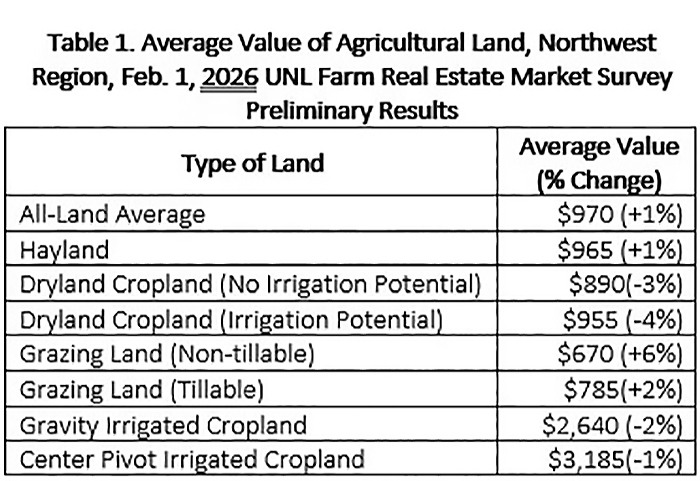
In the Northwest region, average farmland values increased 1% to $970 per acre for the reporting period ending Feb. 1, 2026. The region includes Banner, Box Butte, Cheyenne, Dawes, Deuel, Garden, Kimball, Morrill, Scotts Bluff, Sheridan and Sioux counties.
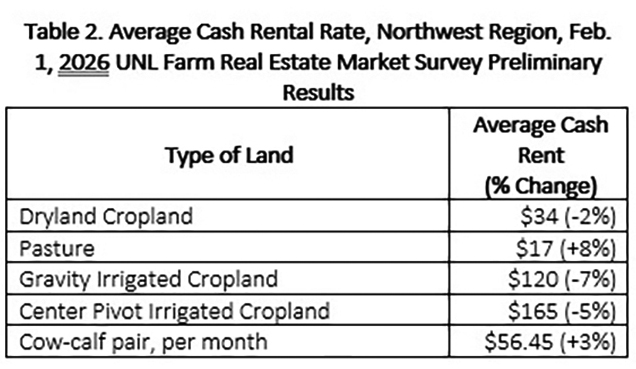
The report also provides estimates of cash rental rates, which are closely monitored by landowners and tenants. Rates vary by land type and region, and actual values may differ depending on land quality and local market conditions.
“Landowners and producers can use this survey as a resource when discussing 2026 rental terms,” said Jessica Groskopf, Panhandle extension agricultural economist. “That said, crop-share leases remain more common in the Northwest District than cash rent on cropland.”
The Nebraska Farm Real Estate Market Report is based on responses from appraisers, farm and ranch managers, and agricultural bankers. Results are reported by land class and agricultural statistics district, with averages reflecting survey responses.
Preliminary land values and rental rates are subject to revision as additional survey data are collected. The final report is scheduled for release in July.
To view the complete report, visit: https://cap.unl.edu/realestate or contact Jessica Groskopf, 308-632-1247, [email protected].
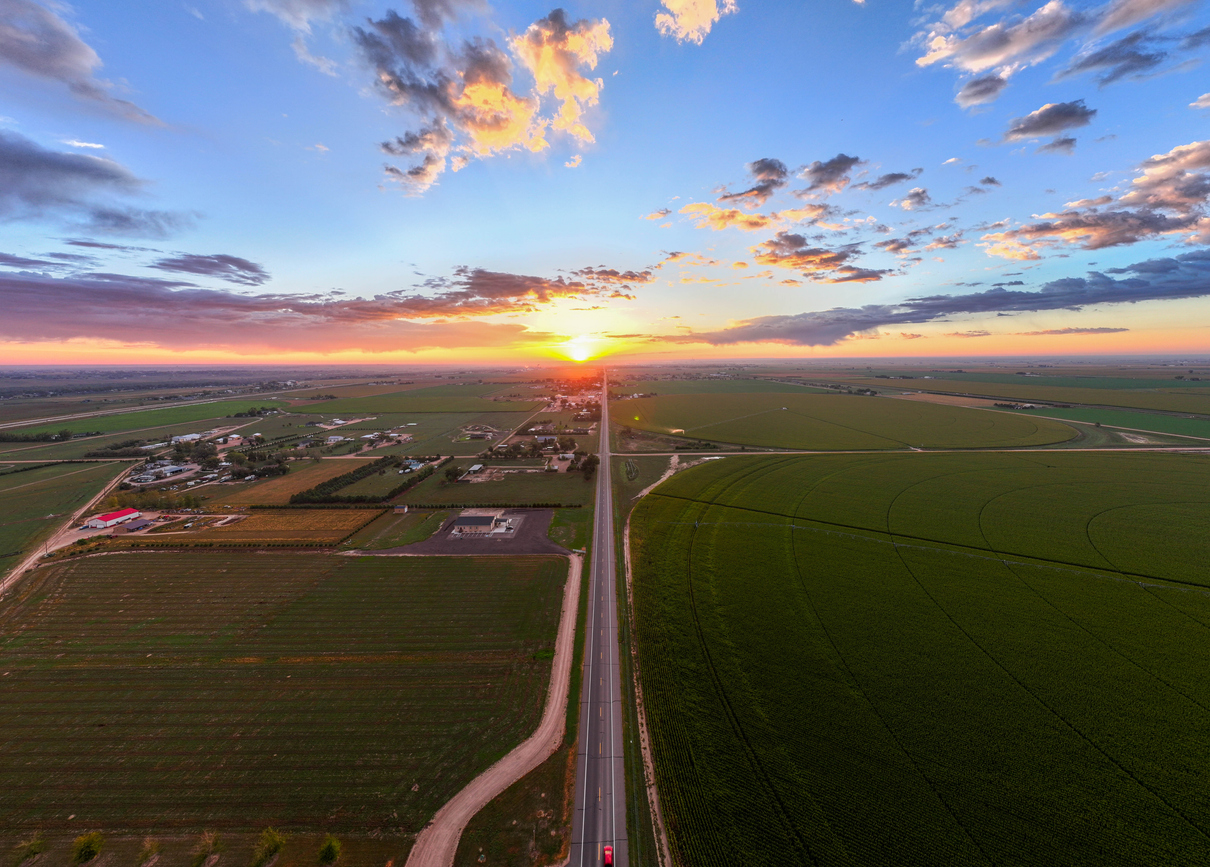
PHOTO: Nebraska land. (iStock-#2256324331 │ redtea)