At this writing Operation Epic Fury is in its fourth week, with no end in sight despite calls from many quarters to end the conflict. While Iran’s military assets have been severely degraded, Iran surprised the world with previously undisclosed ballistic missile capabilities. The Strait of Hormuz remains threatened with most vessels avoiding it, and oil prices are on another wild ride.
Much of the world’s fertilizer and fertilizer feedstock passes through the Strait, and ag markets are reacting accordingly. Some experts predict a shift from corn to soybean plantings in the United States, since soybeans require less fertilizer.
Could war uncertainty provide a boost to precision ag—specifically, could it accelerate ag drone use? Arthur Erickson, CEO of Texas-based Hylio, says demand for his company’s drones is increasing.
“It’s a cost-effective solution, and everything else is not the right tool for the moment,” he told High Plains Journal. “We’re seeing a lot more adoption.”
Besides the hit to fertilizer prices from the war, several other factors are driving accelerated ag drone usage. Migrant farm labor is being squeezed by aggressive deportation tactics, meaning that it’s becoming more economical to replace human labor with drones where possible. Technology is continuously improving.
Hylio recently expanded its drone lineup with the Photon, Atlas and Pegasus models. Hylio introduced three new drone systems to enhance its precision agriculture and aerial intelligence portfolio.
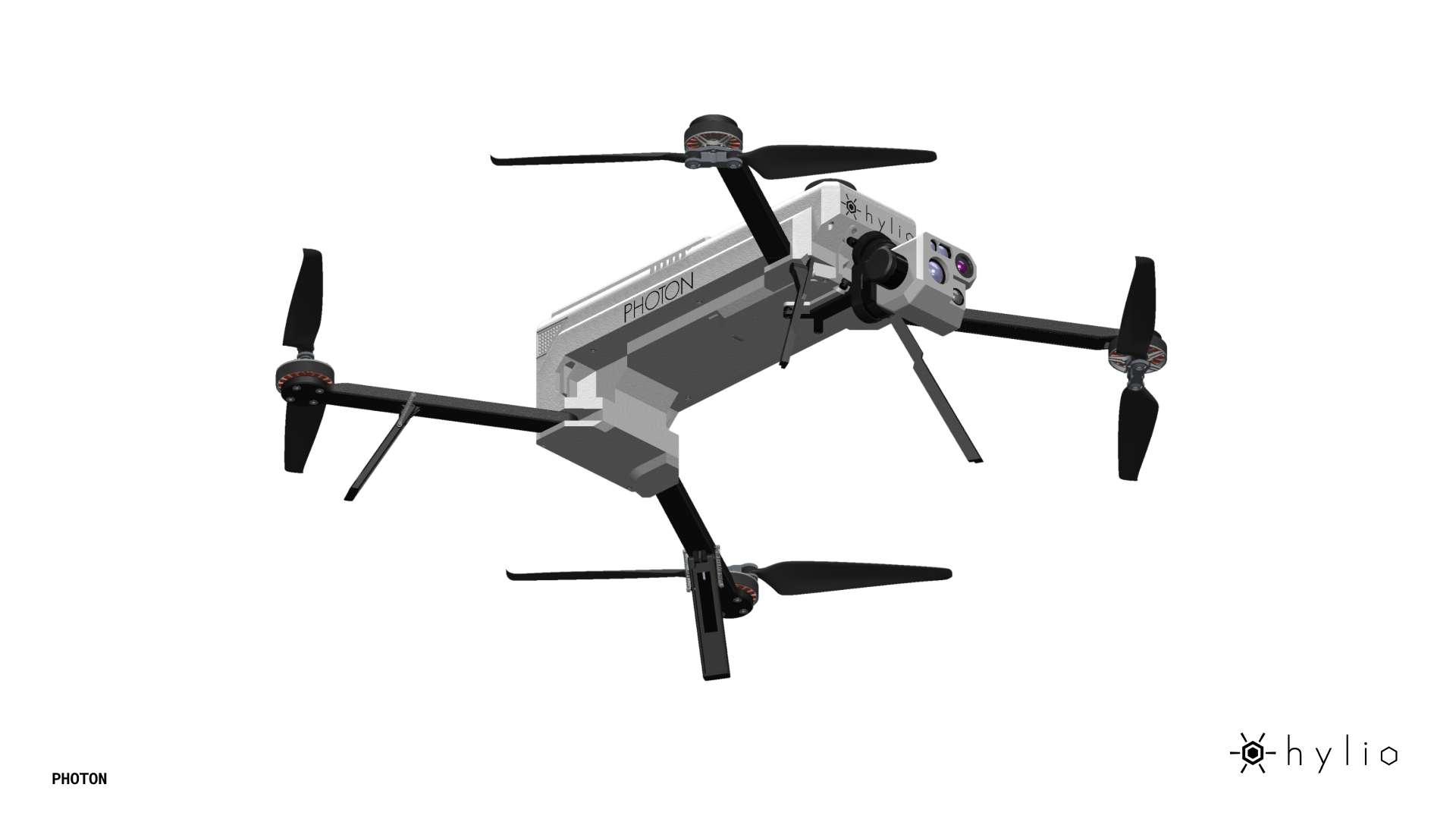
Photon (pictured above) is an ultra-portable UAS designed for precision scouting, mapping, and multi-sector rapid response operations, featuring up to 55 minutes of flight time and advanced sensor compatibility.
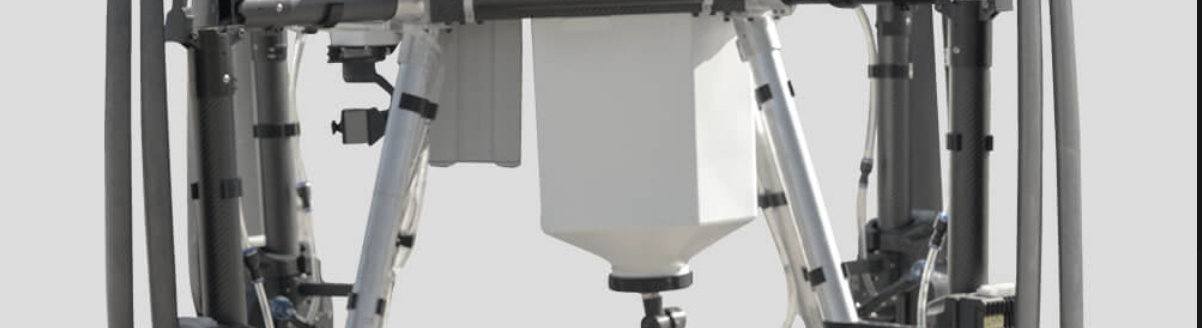
Pegasus targets small to mid-scale farms and industrial operators, offering a compact 2.5-gallon payload and high maneuverability for precision spraying in challenging terrain.
Atlas is Hylio’s largest and most powerful system yet, with a 30-gallon tank, 250-pound payload, and capacity to cover over 150 acres per hour.
All systems are fully U.S.-manufactured, National Defense Authorization Act and Federal Aviation Administration compliant, and integrated with Hylio’s AgroSol Ground Control Station for seamless, data-driven field operations.
Erickson has been integrating artificial intelligence into the drones’ operating systems and using it in the manufacturing process as well. While he welcomes AI and what it can do for operations like his, he waves away the hype. He sees AI as more of an advanced tool than a replacement for human guidance.
“When AI is working right, you don’t even notice it’s there,” he said. “You’re just going out and killing weeds, or fertilizing, more efficiently than ever.”
Whether it’s the effects of the war or not, Erickson reports a hiring and promotion push at Hylio. He is also organizing a fund-raising round for new products with more high-level features.
His vision for Hylio, he said, involves ever more customizability of drone features for different crops, regions and growing strategies.
“The customer knows best what he is trying to do and he should be able to adapt his drone to his particular crop, land, rainfall and fertility.”
David Murray can be reached at [email protected].