Route 66 Beef Trail highlights cattle country and roadside dining
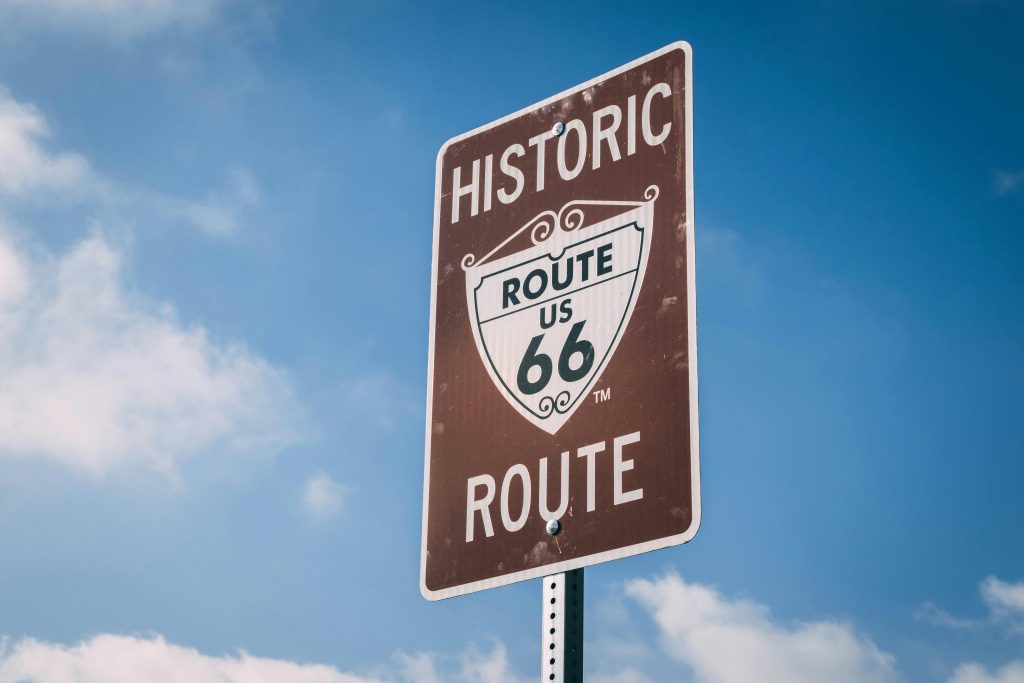
As Route 66 approaches its 100th anniversary in 2026, the National Cattlemen’s Beef Association and eight state beef councils are collaborating in a new campaign to commemorate the century’s milestone and promote beef for travelers on the Mother Road.
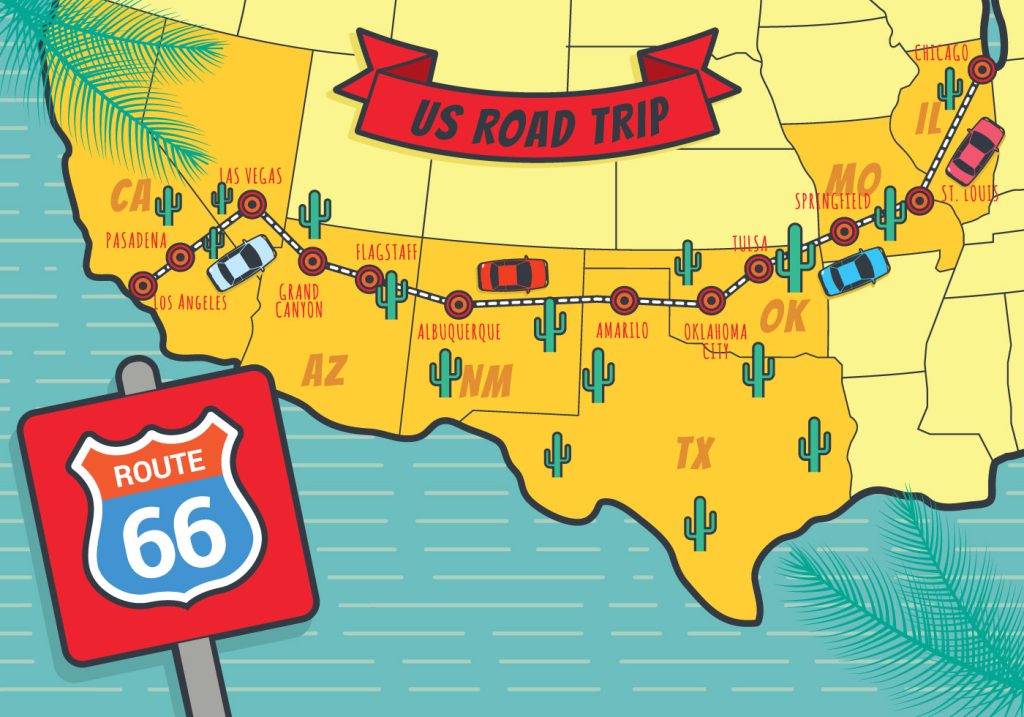
Route 66 stretches from Illinois to California and includes 85 participating stops along the historic highway. The campaign runs through Sept. 30 and is built around a free digital passport designed to encourage travelers to visit restaurants and attractions tied to beef and western heritage.
The birth of the campaign
Heather Buckmaster, executive director of the Oklahoma Beef Council, said the idea for the campaign came from two separate discussions that eventually merged into one project.
“The Mother Road runs through some of the most iconic cattle country in America,” Buckmaster said. “Travelers were going to be on it in record numbers regardless. The question was whether beef would be part of how they experienced it.”
The first idea centered on the Route 66 centennial itself, which presented an opportunity to promote beef as part of the road trip experience.
“Route 66 is the most American highway there is, and beef is the most American protein,” Buckmaster said. “The geographic overlap is hard to beat—the road passes directly through eight major cattle-producing states, and a remarkable share of the historic stops along it are steakhouses, diners, barbecue joints, and stockyard-adjacent businesses. The beef heritage isn’t something we have to invent for the campaign; it’s already there.”
The second conversation involved one of Buckmaster’s previous beef council promotional efforts in Oklahoma, using regional culinary trails. This was OBC’s Onion Burger Trail campaign in 2024, which the eight beef councils used as a template for a successful model that combined tourism, restaurants and digital engagement.
Once the organizers agreed on a concept of combining the two ideas, Buckmaster said it naturally translated into a larger, multi-state effort tied to Route 66.
“From there it was a matter of getting the eight Route 66 state beef councils aligned on a unified pass that travelers could use coast to coast,” she said.
Promoting beef on the Main Street of America
Participating beef councils include Illinois, Missouri, Kansas, Oklahoma, Texas, New Mexico, Arizona, and California. Each state selected restaurants and cultural attractions connected to Route 66 and beef heritage before combining them into a single digital program.
“We are so excited to celebrate for a whole year along this trail,” said Carrollann Romo, executive director of the New Mexico Beef Council. “From the gamification to the multi-state collaboration it is a special project for so many of us as we celebrate two American icons—Route 66 and the beef industry.”
The Route 66 campaign is hosted through the “Beef. It’s What’s For Dinner.” brand, with NCBA serving as the coordinating organization. Buckmaster said NCBA played a key role in bringing the participating states together and maintaining consistency across the campaign.
“The biggest challenge was coordination,” Buckmaster said. “Eight state beef councils, each with its own staff, restaurant relationships and approval processes, all working toward a single unified pass—that takes time.”
The Route 66 Beef Trail is designed to serve several purposes. It includes tourism promotion, consumer engagement and increasing beef demand. Buckmaster said tourism acts as the entry point for consumers already planning Route 66 vacations or road trips.
“The campaign is built to meet travelers where they already are—on a road trip, hungry, looking for something memorable to eat,” Buckmaster explained. “Tourism is the hook; beef demand is the goal.”
The campaign specifically aims to encourage additional beef-focused dining occasions while increasing consumer familiarity with beef production and ranching culture. Organizers also hope the program drives business to independently owned restaurants that have operated along Route 66 for decades.
“If a family stops at a roadside diner in Weatherford, Oklahoma, or Tucumcari, New Mexico, that they’d have driven past otherwise, orders a beef entrée and leaves with a story to tell, that’s the campaign working,” Buckmaster said.
Romo agreed.
“Every stop was chosen based on personal and local experience, along with recommendations of a beef connection, whether it be a favorite cafe for ranchers after gathering cattle or a restaurant with a beef menu item that we love,” Romo explained. “The list was painstakingly curated by beef-lovers for all travelers.”
Target audiences
The campaign targets a broad audience, but places particular emphasis on families traveling during the Route 66 centennial and younger consumers who rely heavily on digital travel tools and social media.
Buckmaster said Millennials and Gen Z travelers represent important long-term audiences for beef promotion because they are likely to share food experiences online and influence future dining trends.
Food enthusiasts and Route 66 history fans are also key audiences because many already plan trips along the historic highway and may use the digital passport to guide dining decisions. The hope is that diners will also be introduced to the rich history of these states and their stops along the way.
“Route 66 is an important thoroughfare for the beef industry in so many ways,” Romo said. “Especially in New Mexico, ranches surround Route 66 and are important part of the history of our state and our current state economy.”
Buckmaster said some special stops along Oklahoma’s stretch of Route 66, include Cattlemen’s Steakhouse in Oklahoma City’s Stockyards City district; Rock Café in Stroud, known for its chicken-fried steak, Pops 66 in Arcadia; and Café Kacao in Oklahoma City, which Buckmaster described as a unique addition because of its Latin American-inspired menu.
In addition to restaurants, travelers can visit attractions such as the National Cowboy & Western Heritage Museum, also located in Oklahoma, to learn more about ranching traditions and western history connected to the beef industry.
How travelers can follow the campaign
Participation in the trail is managed through a mobile-only digital passport platform operated by Bandwango, a company commonly used by tourism organizations for destination marketing campaigns.
Travelers register online through the “Beef. It’s What’s For Dinner.” website and receive the pass via text or email without downloading an app. Users earn 100 points for each participating stop they visit and check into using their phones.
Reward levels include a Route 66 Beef Trail sticker after three stops, a keychain after four stops, a cap after six stops and a T-shirt plus entry into a grand prize drawing after 10 stops.
Three grand prize packages, each valued at approximately $500, include a wheeled cooler, grilling equipment, a cast iron skillet, beef gift cards, barbecue sauce and seasoning products. No purchase is necessary to participate or earn awards.
The campaign also encourages travelers to engage through social media channels operated by “Beef. It’s What’s For Dinner.” and participating state beef councils.
Buckmaster said organizers will measure the campaign using several metrics, including passport sign-ups, restaurant check-ins, social media engagement and feedback from participating businesses. Buckmaster believes the Route 66 centennial provides a rare opportunity to tell the story of beef production through one of the country’s most recognizable travel corridors.
“The Mother Road is turning 100, but the beef story it tells is older than that, and it’s still being written,” she said.
To learn more about the campaign and sign-up, visit www.beefitswhatsfordinner.com/route-66-beef-trail.
Lacey Vilhauer can be reached at 620-227-1871 or [email protected].