
Drought has ranchers playing a waiting game
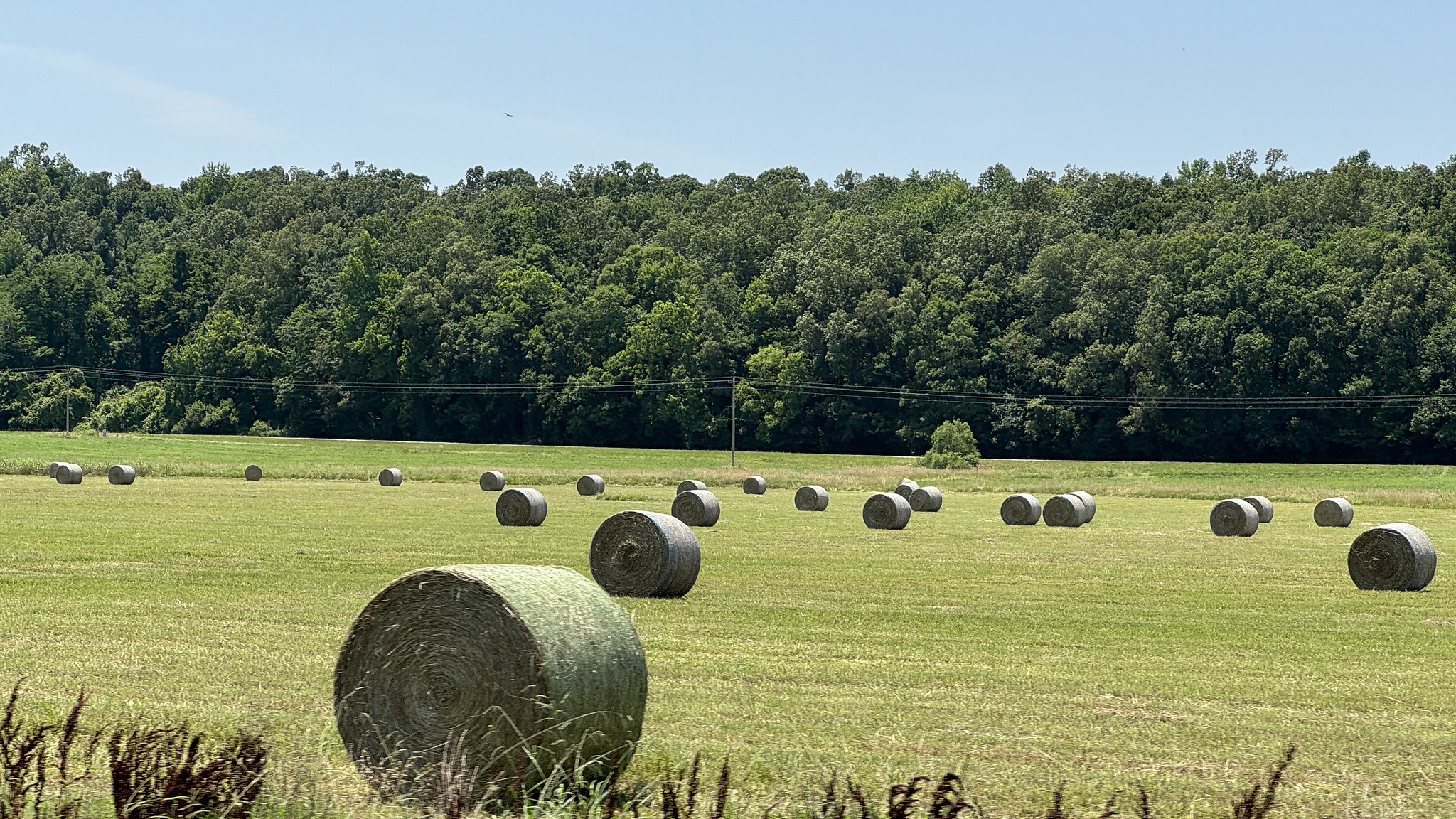
For many ranchers, 2026 is shaping up to be a waiting game: waiting for the rain to come and waiting for summer forages to grow.
While early May rain has helped some, Arkansas was still firmly in drought’s grip. According to the National Centers for Environmental Information, the driest parts of Arkansas — the northeast corner — would need about 20 inches of rain to end the drought. The least dry area, in northwest Arkansas, would still need approximately 12 inches of rain to catch up.
For the week ending May 17, the U.S. Department of Agriculture’s National Agricultural Statistics Service reported Arkansas pastures to be 6 percent in excellent condition, 29 percent in good condition, 33 percent fair, 17 percent poor and 15 percent very poor.
For many producers, the cold spring also delayed fertilization and weed management applications.
For grazing and hay making, Arkansas ranchers have two types of grasses: ones that thrive in colder temperatures and those that grow during the warmer temperatures. Sometimes, there’s a gap between the two.
In between, cattle producers have been filling the gap by stretching their cool-season grasses, such as tall fescue, as long as they can until their warm-season forages, like bermudagrass, can gain a foothold.
Jonathan Kubesch, assistant professor and extension forage specialist for the University of Arkansas Division of Agriculture, said that tall fescue can only be stretched so far.
“We are currently working through a spring forage gap where cool-season grasses have struggled with limited precipitation, and warm-season grasses have struggled with low temperatures. As a result, it’s been hard to have adequate forage ahead of livestock in many parts of the state,” he said.
Fungal endophytes, which have a symbiotic relationship with fescues, also produce ergot alkaloids, which can be toxic to cattle in high concentrations. Arkansas fescue fields are currently producing high levels of these toxic compounds.
“There are some farmers reporting problems with toxicity with fescue, which happens when cattle graze the fescue too short, especially in the late spring,” Kubesch said.
However, ranchers may be able to use the gap to their advantage. A forage inventory of the desirable and undesirable plants in fields can help to determine whether to spray, fertilize, or even replant a stand.
“Ranchers might consider soil testing and adjusting soil fertility,” he said. When fertilizing, Kubesch said that “in the current environment, lime is the most economical choice” to ensure that nutrients are most available to pasture plants.
Commercial nitrogen fertilizers are derived from fossil fuels, and with the war in Iran affecting energy shipments in the Strait of Hormuz, anything related to petroleum has become very expensive.
Kubesch said ranchers might also use a more locally produced fertilizer — manure.
“Plan on hay feeding in pastures in order to get nutrients distributed back to pastures,” he said.
Weed and insect management
With drought delaying warm-season grass growth, weeds don’t seem to be affected as much.
“In many places, broadleaf weeds are growing to fill gaps in the pastures,” Kubesch said. These include goatweed, also known as woolly croton, and perilla mint.
“Some grassy weeds are also starting to pop up,” Kubesch said. “Ranchers should have a plan to harvest, graze or spray the current canopy to give their warm-season grasses a strong start.”
Insect management is also an important issue. When young grasses are lush and green, they’re very attractive to caterpillars, especially during drought. Armyworms, named for their habit of descending on lawns and pastures en masse, will eat any green down to the ground if left unchecked. The invasive bermudagrass stem maggot will eat grass stems, damaging the plant, which can cause great losses in hay meadow and pastures.
“We haven’t yet seen any reports of armyworm and bermudagrass maggot, but they will come,” Kubesch said. “You need to be ready to manage when they do. I’d recommend applying something that has residual activity to provide more pest control time as the warm season grasses come in.”
Kubesch also said Arkansas extension entomologists are keeping an eye out for a new pasture pest that has been spreading in Texas. The pasture mealybug, Heliococcus summervillei, has been confirmed in 20 Texas counties in the state’s southeast and Rio Grande Valley.
Feeding plan
How does extended drought change haying and grazing plans for fall and winter?
“Farmers should anticipate their hay needs in the seasons ahead earlier than might be typical,” Kubesch said, including getting hay bales counted and tested for nutritional value to help develop supplementation plans.
“Having a hay-feeding strategy can also help pastures get ahead with some of the precipitation that is coming into the state,” he said. “The goal should be to rotationally graze fields or keep animals in a designated sacrifice area to protect pastures and have fields ready to capture rain when it comes.”
Kubesch said the Cooperative Extension Service has several resources for ranchers looking to manage their operations in drought. They include:
- Drought Management and Recovery for Livestock Systems
- Arkansas Extension Forages Facebook page
- YouTube video from the 2025 Arkansas Forage and Grassland Conference
- Managing Cattle in Drought
- Recommended Chemicals for Weed and Brush Control – MP44
- Insecticide Recommendations for Arkansas – MP144
Hay stocks update
In its May 12 crop progress report, the USDA’s National Agricultural Statistics Service projected a decrease of a little more than 3 percent in total hay stocks compared to May 1, 2025. USDA-NASS estimates hay stocks on May 1 and December 1 each year.
While this is a year-over-year decrease, it is also the second highest May 1 stock number since 2017 and well above the 5-year and 10-year averages.
In the May 18 Cattle Market Notes Weekly, Kenny Burdine of the University of Kentucky wrote, “Spring hay stocks are really a function of the previous year’s production and how much was fed that winter. While hay stock data is very aggregated, this report does suggest that hay supply was in a relatively good place at the national level this spring.”
Arkansas’ May 1 hay stocks were estimated to have increased by 15 percent year-over-year, going from 330,000 tons in 2025 to 380,000 tons in 2026.
PHOTO: Hay bales dot a meadow near Madison, Arkansas. 2024 file photo. (UADA image by Mary Hightower)



