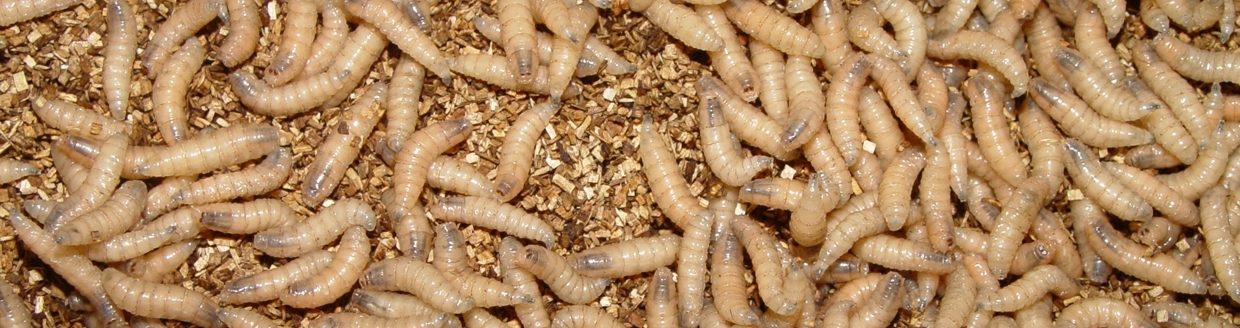
USDA opens livestock insect research laboratory in Texas
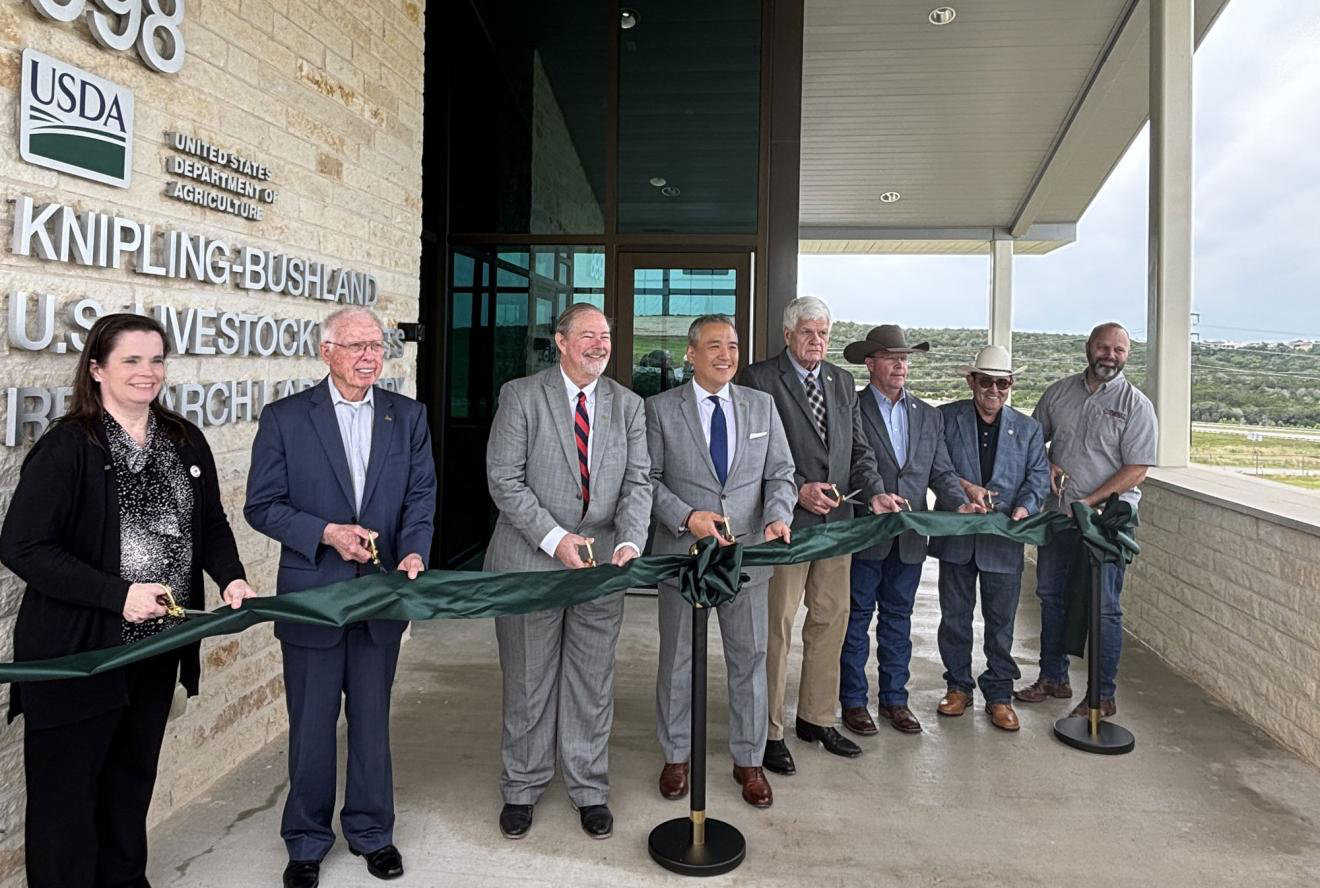
The U.S. Department of Agriculture’s Agricultural Research Service opened the Knipling-Bushland U.S. Livestock Insects Research Laboratory in Kerrville, Texas, expanding federal research efforts focused on invasive livestock pests affecting the cattle industry.
The 52,000-square-foot facility will support research on flies, ticks and other arthropod pests that threaten livestock production and animal health. The laboratory includes cattle research facilities, genomics laboratories, and space dedicated to pest surveillance and control technologies.
Continued NWS developments
U.S. Secretary of Agriculture Brooke Rollins said the facility will support efforts to prevent the New World screwworm from re-establishing in the United States.
“We have taken extraordinary actions to keep New World screwworm out of the United States and this lab will help us accelerate our offensive efforts to drive this pest further away from our borders,” Rollins said.
USDA Undersecretary for Research, Education, and Economics Scott Hutchins said the laboratory builds on decades of research tied to the sterile insect technique, which helped eradicate the NWS from the U.S.
The facility houses two ARS research units: the Livestock Arthropod Pest Research Unit and the Veterinary Pest Genetics Research Unit.
Research conducted at the laboratory will include studies on surveillance and trapping methods, insecticides and acaricides, pesticide delivery systems for livestock and wildlife, pesticide resistance, and insect genomics.
ARS Administrator Joon Park said the research conducted at the facility will address both existing and emerging livestock pest threats.
Named after two famed researchers
The laboratory is named after USDA researchers Edward F. Knipling and Raymond C. Bushland, whose work helped establish the sterile insect technique for NWS control.
In 1937, Knipling proposed using sterile male screwworms to suppress pest populations. In the early 1950s, Bushland demonstrated the concept by producing viable sterile male screwworms for field use.
The sterile insect technique later became a key part of eradication efforts that eliminated NWS from the U.S., Mexico and Central America. The technique continues to be used in Mexico and Central America to prevent the pest from spreading northward.
ARS said research conducted in the Kerrville area over the past 80 years also contributed to the development of pesticides, including macrocyclic lactones used to control biting flies and ticks, and to genomic sequencing work involving more than 25 livestock arthropod pest species.
Lacey Vilhauer can be reached at 620-227-1871 or [email protected].