Livestock industry urges producers to follow protocol
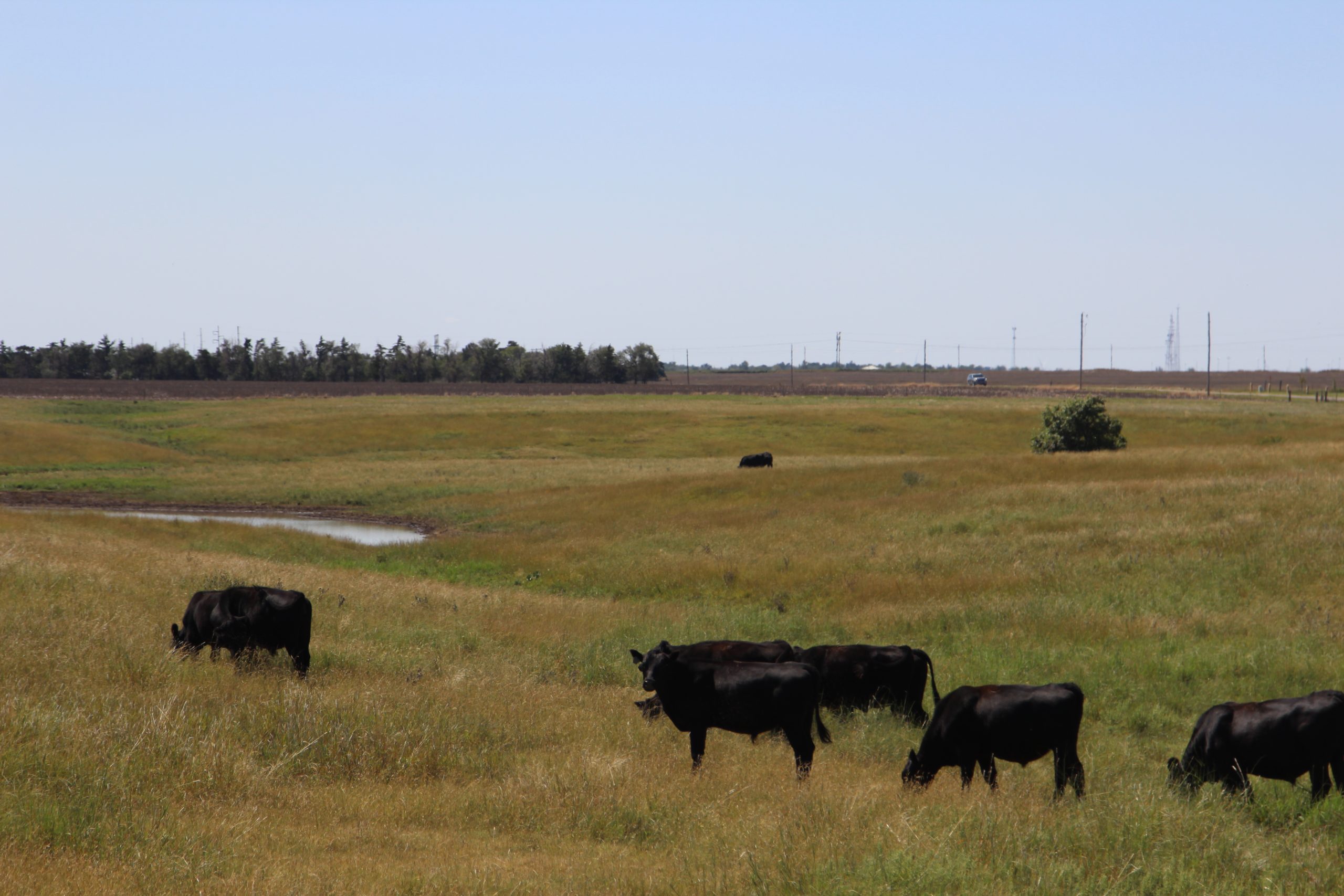
The discovery of New World screwworm in a 3-week-old Texas calf, did not come as a shock to many in the industry as the U.S. Department of Agriculture and state officials begin a control plan.
The USDA’s Animal and Plant Health Inspection Service confirmed the detection of a New World screwworm in a bovine in Zavala County, Texas, about 35 to 50 miles north of the Mexico border.
National Cattlemen’s Beef Association CEO Colin Woodall responded in a news release to the announcement from USDA.
“NCBA and our state partner organizations have been working for more than a year to combat the incursion of the New World screwworm, and we are doing everything possible to protect the interests of American cattle producers,” Woodall said. “We appreciate USDA and other agencies for working rapidly to bolster critical resources that protect producers, including building a domestic sterile fly facility, increasing fly surveillance and expediting the availability of necessary drugs and treatments for cattle. We defeated this harmful pest before in the 1960s by investing heavily in sterile fly dispersal, and NCBA will continue using every tool in the toolbox to ensure screwworm is eradicated in the U.S. once again.”
R-CALF USA CEO Bill Bullard said protection of the nation’s cattle herd will require an immediate, coordinated response from animal health and livestock producers to protect the nation’s food supply.
“We now switch from preparation to eradication,” Bullard said in a news release. “Producers need to be intensely vigilant in monitoring their livestock and reporting suspected cases to their veterinarians. We must push this pest back to Mexico and then continue efforts to push it back to Central America.”
Texas cattle industry responds
Texas & Southwestern Cattle Raisers Association President Stephen Diebel, in a news release, responded to the confirmed case, noting that while serious, it is not a food safety problem and ranchers and landowners should not panic.
“For the past 18 months, we have worked alongside our state and federal partners to prepare for the possibility of a positive New World screwworm case, and that preparation now positions us to respond quickly and effectively,” Diebel said.
Texas & Southwestern Cattle Raisers Association has worked alongside USDA, Texas Animal Health Commission and Texas Parks and Wildlife Department to increase surveillance efforts and production and dispersal capacity, he said.
“We have identification, treatment and reporting protocols in place,” Diebel said. “We are exceptionally grateful for the leadership and response of our partners on this issue.”
Texas ranchers and landowners may be on the front line of this challenge, but they are not facing it alone, he said, adding TSCRA continues to provide information and resources and ensure there is a voice speaking on their behalf and ensuring their interests are represented.
“We ask ranchers and landowners to regularly monitor their livestock and wildlife, maintain a strong relationship with their veterinarian and report suspicious wounds or infestations immediately,” Diebel said. “Early detection, rapid response and limiting animal movement, when necessary, remain our strongest tools for controlling and eradicating New World screwworm.”
Congressional leaders
The chairmen of the House and Senate agriculture committees, U.S. Rep. Glenn “GT” Thompson, R-PA, and U.S. Sen. John Boozman, R-AR, offered a joint statement.
“For well over a year, Secretary Brooke Rollins and her team at USDA have been working around the clock alongside federal agencies, state partners and animal health experts to prevent New World screwworm from entering the United States—longer than many thought possible—and to ensure we are prepared to respond to a potential domestic case. Their proactive efforts have strengthened our defenses against this serious threat to animal health and the livestock industry, and we appreciate their continued commitment to protecting American agriculture.
“The detection of New World screwworm within our borders should not be cause for panic, but rather time for the full deployment of the next phase of the whole-of-government response USDA has been planning for months. We have the tools, resources and an action plan to aggressively respond, enhance surveillance and prevent further spread. By working closely with producers, animal health officials and our federal and state partners, we will take the necessary steps to protect and safeguard America’s livestock industry. We have successfully eradicated this threat to livestock, wildlife and animal health before, and we’re confident we will do so again.”
The president and CEO of the National Milk Producers Federation, noted the discovery was a disappointing milestone after decades of eradication, but it’s also one for which dairy producers have been preparing for more than a year in collaboration with USDA and many others in the animal health sector.
“It’s important to remember that this development has no effect on food safety, and that measures to combat both the screwworm and its spread are in place and time-tested,” Gregg Doud said. “We appreciate the U.S. Department of Agriculture’s proactive efforts to prepare for this moment, and we stand ready to work with the department to address any ongoing challenges.”
Now that USDA has confirmed that screwworm is here, dairy farmers and all livestock producers pledge close collaboration with USDA, state and local officials, and producer organizations to mitigate any harmful effects and educate farmers on how to protect their herds, Doud said.
“We have been creating resources to guide farmers in their responses, and we will keep our members well informed of any important screwworm developments,” he said. “We also urge officials to follow scientific guidance in any decisions affecting animal movements and regulatory responses to avoid causing economic harm that could be greater than the screwworm itself. We also ask that adequate resources be provided to combat this problem, which causes suffering in animals and creates risk for producers.”
Dave Bergmeier can be reached at 620-227-1822 or [email protected].