Reports of NWS was not unexpected
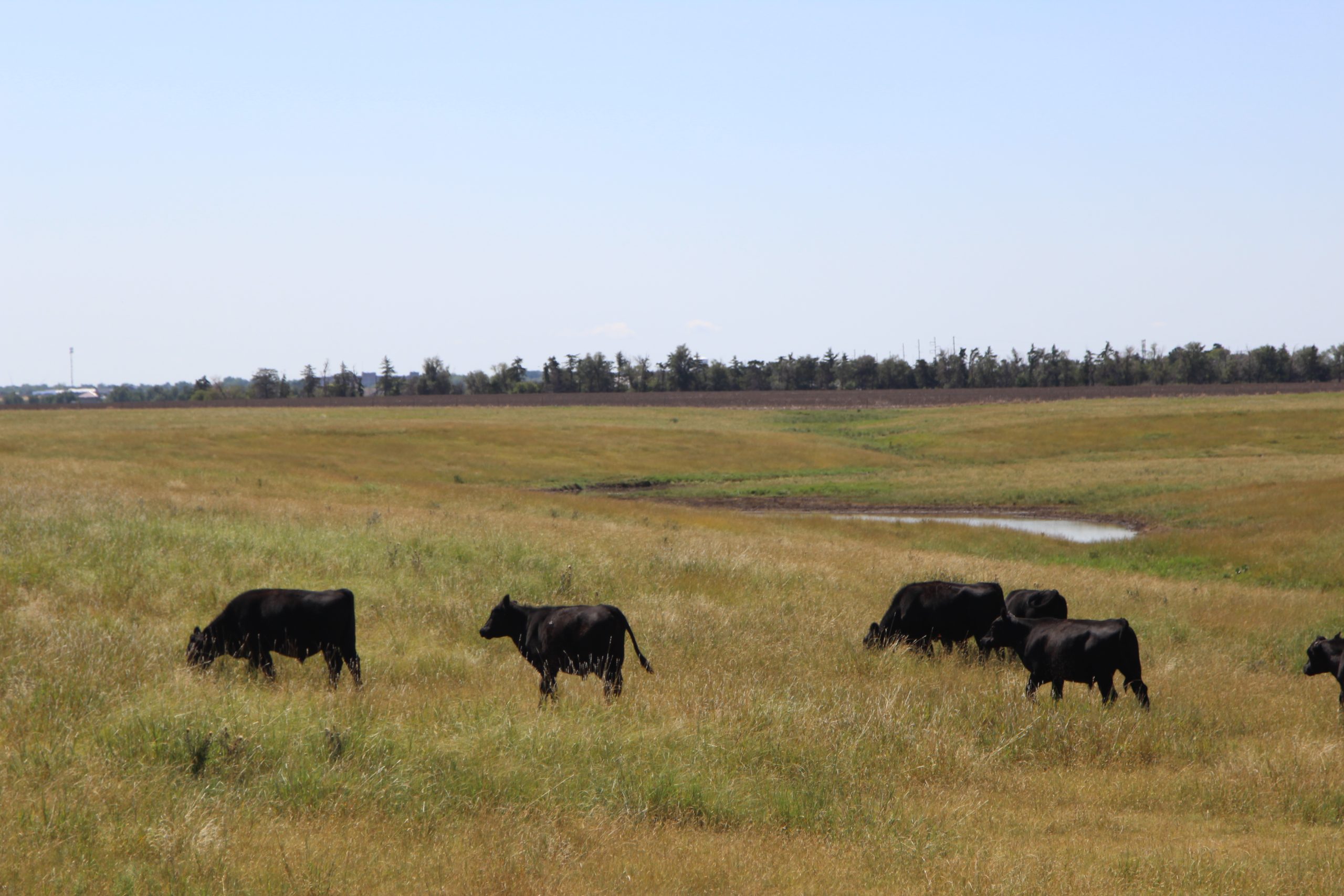
The recent reports of New World screwworm cases in several Texas livestock came as no surprise to many in the industry, including Bob McCan.
“I think everybody has been expecting this,” said McCan, a past president with the National Cattlemen’s Beef Association and a rancher from Victoria, Texas, who oversees the cattle operations and recreational hunting and wildlife operations for his family’s company, McFaddin Enterprises Ltd. “In fact, it’s a couple of months late, if you will. I think last September we were all kind of on pins and needles that it would be here before now. People have been getting prepared for this thing and there has been lots of preparation and communication about it and coalitions formed to promote readiness. I feel good about that.”
David Anderson, a professor and Extension economist for livestock and food product marketing at Texas A&M University, said ranchers and the industry expected the pest to cross north of Mexico’s border at some point.
“Hopefully people have put some thought into their response and planned ahead,” Anderson said. “I know there is some frustration about the speed of action, but that is probably a normal reaction.”
The initial case of the pest being discovered in a young calf in southern Texas brought back memories for McCan who remembered in the 1960s doctoring baby calves that had NWS. The June case had larvae that were found in the navel of the calf.
His father and grandfather, he recalled, were always concerned about the NWS back then and knew they had to immediately act.
“It was always the baby calves that worried them the most. They would get it in the navel. We would find an adult animal with a wound that was actually easier to treat.”
Back then, his father and grandfather were very active in the process to combat the NWS, he said. Also, the ranch had many more cowboys who could ride and watch the animals.
“We’d make a phone call or two, and the airplanes would make their drops of sterile flies and within a few days it was better,” McCan said.
Today, in comparison to the 1960s, there are many more topical medicines and ways to get medicine into cattle and wildlife, he said.
“I think we will be able to control this pretty well, in my opinion until we get the sterile fly production up to speed,” he said.
The U.S. Department of Agriculture has ramped up construction on a sterile fly production plan in southern Texas and federal officials believe it should be operational in 2027 that initially produce 100 million sterile flies a week.
Also, animal health officials are implementing quarantine processes that are effective, he said.
The Texas A&M economist said it was important that everyone understands the policy is not a quarantine that prevents animal movement. Everyone wants producers to be able to sell their cattle and carry on with their usual activities.
However, this is a hands-on, visual inspection before movement out of the area, Anderson said. It’s in everyone’s best interest that occurs.
“When we find a screwworm then USDA knows where to drop the sterile flies to end the problem,” Anderson said. “Historically, people moving animals was an important factor in their spread.”
McCan said the resources are much better and with technology there are ways to have better control today than it did six decades ago.
He urges producers to be vigilant and while there are not as many cowboys working on ranches as there were 60 years ago, he said ranchers and their help to regularly check cattle, particularly during the fall and spring calving seasons.
Economic impact
Anderson does not expect any effect on consumers, adding that continued education is important.
“This is an animal pest that impacts the animal and has no effect on meat or food,” Anderson said. “I do think people are smart and will understand what the problem is and what it is not. Some might say I am taking a big leap saying people are smart, but I think most people are rational and will understand.”
Glynn Tonsor, who studies livestock and markets industry as a professor in the Department of Agricultural Economics at Kansas State University, shared the same sentiment.
“Initial impacts on beef availability will be small,” Tonsor said. “Going forward, the elevated uncertainty seems likely to further mute interest in herd expansion and by extension future domestic beef production maybe lower—if realized that would lead to less domestic consumption absent further increases in beef imports.”
Overall, consumer demand for beef has been robust in recent years—demand was 14% higher in 2025 than in 2023 and a full 36% higher than in 2000, Tonsor said.
“Consumers valued beef more than we previously would have expected—market clearing prices were above what typical price-quantity relationships would suggest and consistent with a favorable, outward shift in consumer demand.”
The overall desire for more protein in the diet coupled with elevated beef quality and that alignment with taste and overall eating experience being prioritized are clearly at play for beef demand’s strong recent run, he said.
Anderson said beef prices have been high because of tighter supplies and good demand.
“Beef demand has been growing for about a decade and that is a big part of higher retail prices. Consumers see good value for their money with beef.”
Dave Bergmeier can be reached at 620-227-1822 or [email protected].