State-By-State Hay Markets
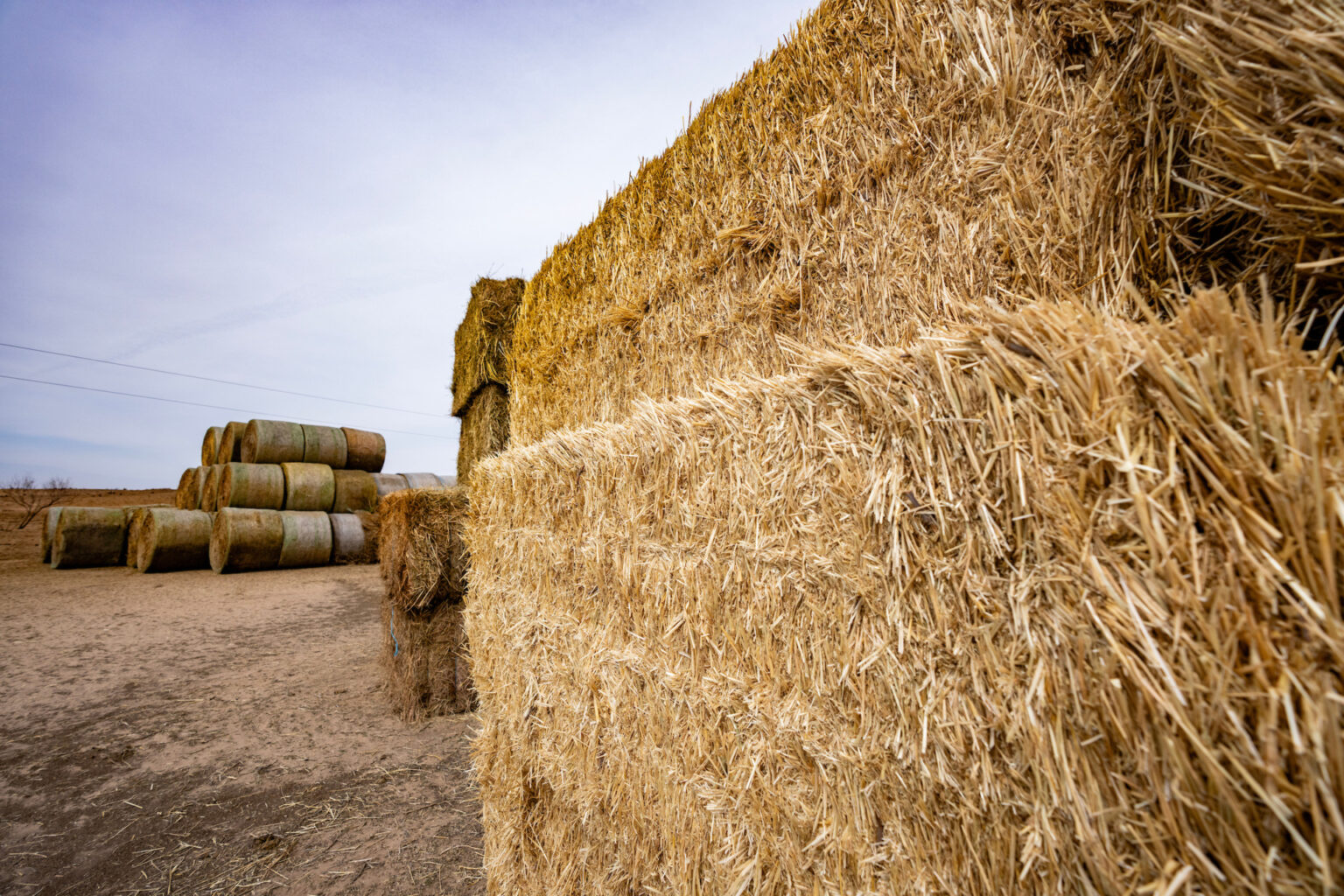
New Mexico—In June 8 report, compared to the last report, the hay market appeared steady to firm.
Colorado—In June 4 report, compared to the last report, trade activity Light. Demand good to very Good on both old crop and new crop hay. 3×3’s of old crop alfalfa horse hay sold $5 to $10 per bale higher this period. First cutting of alfalfa hay is underway as we wrap up haylage harvest of wheat, triticale, and rye. New crop prices are firm due to current drought conditions. Irrigation water allocation reductions across the state are driving new crop prices higher and increasing prevent plant acres. The next available report will be June 18.
Missouri—In the June 11 report, although it seems as if there hasn’t been much in the way of any significant stretches of haying weather, small windows here and there have allowed for haying. As of the latest progress report, producers are right in line with the 5-year average pace at this point. Many farmers reporting yields below average as fields are thin or short due to the late frost in many areas. Heavy rains, some big hail, and even a tornado, went across northern Missouri this week. Hay demand is light, and supplies are moderate. Hay prices are generally steady. The Missouri Department of Agriculture has a hay directory at https://apps.mda.mo.gov/haydirectory or visit the University of Missouri Extension feed stuff finder at https://feedstufffinder.org.
Nebraska—In the June 4 report, compared to the last report, round bales of alfalfa sold steady to $5 higher. Large square bales of alfalfa sold steady. Old crop round bales of grass hay steady to $30 higher. Ground and delivered mostly steady except the western area sold steady to $10 higher. Old crop dehy and sun-cured pellets steady. Demand was good. Quite a few livestock owners are scrambling to find hay to feed their livestock since the rains have been slow to come and pastures are slow to grow. Spotty rain showers along with some hail in various places across the state. Tonnage on first cutting has a wide range, few early reports on dryland of .50 to 1 ton per acre with irrigation from 1 to 2 tons. Several eastern area contacts have been done with first cutting and will be starting second cutting in another week or so. As one moves west there is still a lot of first cutting to be cut and baled. Some contacts have green chopped their first cutting of alfalfa and fields of rye grass.
Oklahoma—In the June 5 report, Movement is slow. All parts of Oklahoma are in different situations. Cattle and hay producers are trying to navigate the current drought, pricing, and prediction in the early stages of summer and hay production. Due to the carryover hay, which is less than expected. Contracts for hay are being placed before harvesting. Even with contracts, prices for new crop grass hay are still to be determined. The next report release will be on June 19.
Texas—In the June 12 report, compared to the last report, hay prices and demand remain steady. The next available hay report will be June 26.
South Dakota— In the June 5 report, compared to last report, Very good demand for all classes and qualities of hay currently. The affects of the drought are on full display in the hay market, as livestock producers scramble to find the hay they need as grass was slow to grow this year. Big rains have come to much of the state, but there are dry pockets that continue to miss the much needed precipitation. Grass growth was hampered by the cold, dry, and then hot weather in April and May. Alfalfa stands are in better shape but tonnage still varies a lot due to the drought conditions. Livestock producers that balked at hay prices a month ago are now willing to give much more as become desperate for hay.
Wyoming— In June 11 report, compared to the last report, First released report in several weeks a market trend is not applicable. Demand was good on products that have yet to be mowed and baled. Some prospective buyers continue to call producers trying to contract hay at a reasonable price to the buyer. Most producers are on the fence about contracting a lot of hay this week. Some reports of weevils in the hay fields in the western side of the state. Most of the reporting regions have a few acres on the ground but many will start later in the month. Water irrigation is a main topic as it’s day-to-day on the amount of water that will be available this growing season. Many hay producers are behind in their watering of the hay fields due to issues with various ditches. So, with lack of water, tonnage will probably be a little light on the hay production this year. Unless, good ole Mother Nature decides to produce some rain across the state.
Montana— In June 12 report, hay sold mostly $15-20 higher in a narrow comparison. Hay supplies across the state are very light and continue to tighten as ranchers buy hay to supplement cattle in dry conditions. While rain has fallen across much of the Northern Plains, pockets of dryness remain, as rainfall was spotty. Some locations received up to 7 inches over the past two weeks, while others received little to no rain. Rain has eased some of the panic ranchers were feeling a few weeks ago when summer conditions were looking very bleak. Producers report that calls and demand for hay remain good, but many are waiting to see how much hay they will be able to produce before they set any prices. A few new crop contracts were seen this past week. Very good demand was noted for grain hay as feedlots and ranchers look for ways to keep feed costs as low as possible. A wide range of prices and asking prices has been seen over the last few weeks as producers try to establish the market. Some hay traders are buying fall hay contracts in surrounding states to ensure supplies are covered for their customers. Much of this hay is being delivered into Montana for 245.00-265.00, depending on freight. First cutting has started in southern and eastern Montana. Many producers are fighting a host of issues-including weevils and winterkill-as they try to put up first cutting. Yields are down significantly, according to producers who have hay on the ground. Some producers opted to chop first cutting due to severe frost damage. According to the drought monitor: 74.65% of the state is in Moderate Drought or worse, down 1.35% from two weeks ago. 28.89% of the state is in Severe Drought or worse, down 11.94% from two weeks ago. 5.80% of the state is in Extreme Drought or worse, down 4.56% from two weeks ago. 0% of the state is in Exceptional Drought, unchanged from two weeks ago. 84.55% of the state is abnormally dry, down 2.73% from two weeks ago.