
Beef packers adjusting to low cattle inventory
In the past year, ranchers have been keeping tabs on the packing industry, as noted in recent headlines in the High Plains Journal.
“Tyson to realign its beef network”
“Cargill beef plant lockout ends”
In January, Tyson closed its beef processing plant in Lexington, Nebraska, and realigned its Amarillo operation.
Springdale, Arkansas-based Tyson Foods announced Aug. 13 it will end operations at its Joslin, Illinois, beef facility and its Eagle Mountain, Utah, case-ready facility, the company said in a news release. Capacity from these locations will be moved to facilities with capacity to grow, the company said. Additionally, Tyson Foods is pursuing the sale of its Pasco, Washington, beef facility.
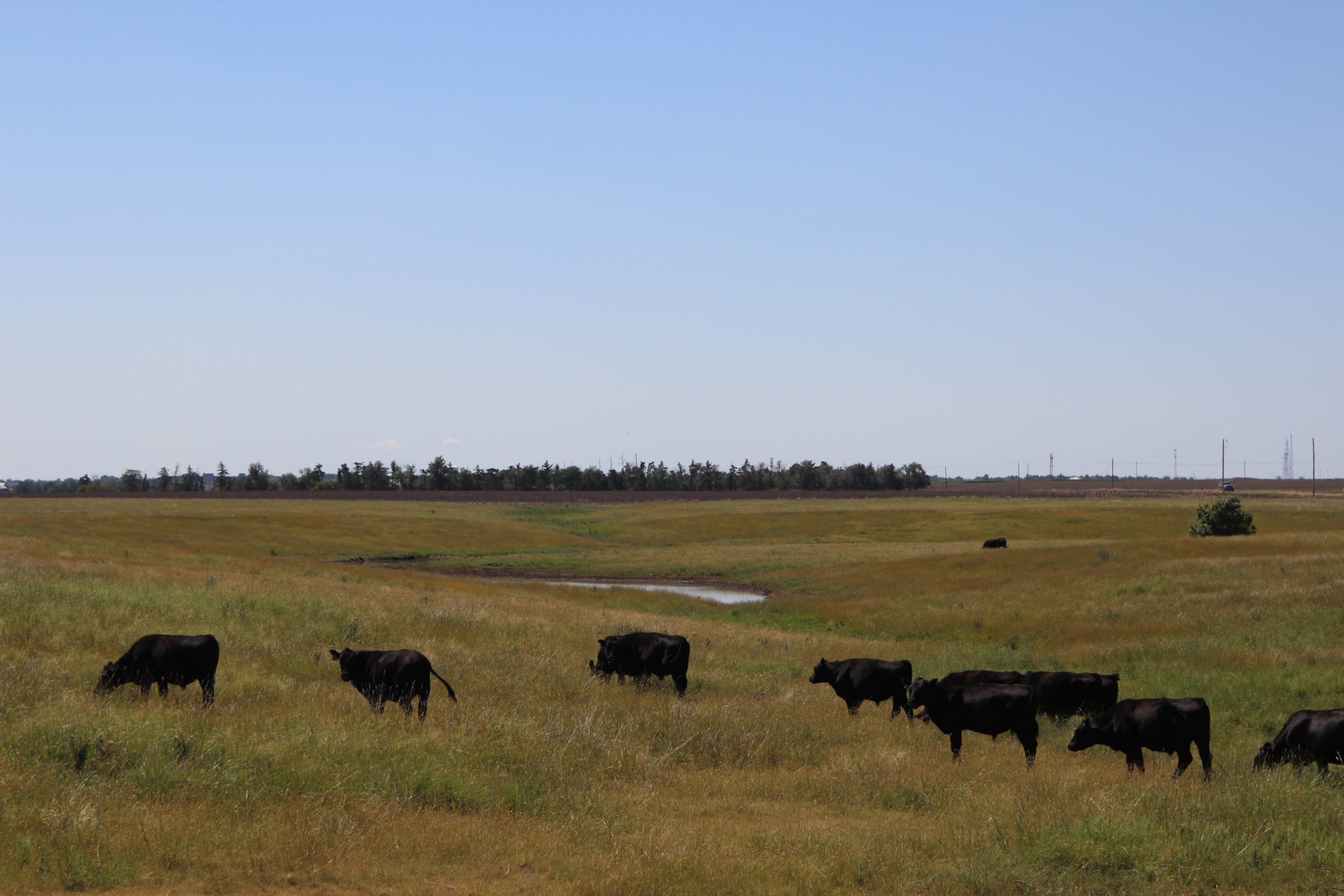
Livestock economists said the number of beef cows explain the story as the latest U.S. Department of Agriculture’s Cattle Report pegged the count at 28.3 million head. Rebuilding has been slow in High Plains states as a prolonged drought has limited forage production in multiple High Plains states. Also, the USDA stopped Mexican cattle imports because of the New World screwworm.
Tyson’s Joslin plant processed about 3,100 head of cattle per day.
James Mitchell, an assistant professor and Extension livestock economist with the University of Arkansas System Division of Agriculture, said it is difficult for an outsider to assess Tyson’s situation.

“These decisions should help by bringing Tyson’s packing capacity in line with cattle numbers, but I don’t think closing plants or reducing shifts alone is the answer,” he said. “Some other strategic decisions are likely forthcoming.”
Glynn Tonsor, a professor in the Department of Agricultural Economics at Kansas State University, declined to comment on company- or plant-specific details but added general insight.
“I am not surprised that we have seen additional closures and adjustments,” he said. “It is widely recognized that the packing sector has too much physical capacity (nationally).”
The lack of cattle availability was likely one of the most important factors contributing to Tyson’s decision, Mitchell said.
“We have a historically small cattle inventory, so there is simply not enough cattle to keep all of the existing packing capacity operating at the levels we have seen in the past,” Mitchell said.
In the case of Tyson, some of it may have come down to plant-specific factors, such as operating costs, efficiency, labor, location or capital investment needs, rather than broader market conditions, he said.
Mitchell said capacity reductions can occur when cattle numbers are low.
“There’s a constant long-run adjustment between packing capacity, feeding capacity and the number of cattle available,” Mitchell said. “Right now, cattle supplies are historically tight, cattle prices are high, and that makes it difficult for packers to manage throughput.”
The industry received some good news when a nearly 85-day lockout at Cargill’s Fort Morgan, Colorado, plant ended, and operations are scheduled to fully resume Sept. 3.
“I still think overall there is a lot of optimism among producers while we are in the midst of what seems like a laundry list of other issues,” Mitchell said.
It came as the USDA’s World Agricultural Supply and Demand Estimates report in August revised cattle price forecasts for the third and fourth quarters of 2026 and through the end of 2027 citing recent weaker-than-expected demand for fed cattle.
Tonsor said that was expected. The 5-Area Direct slaughter cattle price for the fourth quarter of 2026 was set at $245 per hundredweight and $249 per hundredweight for 2027.
Tight beef supplies would normally continue to support beef prices, Mitchell said.
“For prices to decline in that environment, we would need to see some weakening in beef demand,” Mitchell said. “I wouldn’t rule that out given the broader economic environment and the pressure consumers are facing, but it is something I would be watching closely.”
Demand has stayed strong
Tonsor said there are signs of slowing consumer meat demand but added an important caveat.
“The U.S. public clearly wants meat protein; what has magnified in recent months is macroeconomic conditions,” Tonsor said. “As a larger share of the U.S. (population) becomes concerned with their finances (namely cost of living out-pacing earnings) headwinds develop for meat demand.”

That assessment, he said, has been reaffirmed for most of 2026 in the Meat Demand Monitor, a K-State project funded with support from the beef and pork checkoffs.
For consumers, the price of beef is likely to remain high in the grocery store, Mitchell said. “This brings packing capacity more in line with the number of cattle we have available, but we still have excess processing capacity relative to cattle supplies. Closing plants does not change the number of cattle or the amount of beef available in the short run. I would not expect consumers to see a significant change in prices as a direct result of these closures.”
Ranchers remember how quickly the market moved downward just a year ago, even with historically strong cattle prices, Mitchell said.
“We saw a significant market correction right in the middle of the fall calf run,” he said. “There are enough wild cards to play right now that I think producers should be reconsidering risk management, even with some of the sticker prices that comes with protecting cattle at these price levels.”
Mitchell advised ranchers to build extra flexibility into their marketing plans for the rest of this year and in 2027, noting there are no signs of drought relief in many regions. The drought affects forage availability, stocking decisions, and ultimately when producers need to market cattle.
Tonsor urged producers to pay attention to details, adding that they need to measure costs to manage them successfully.
Slow expansion
The latest World Agricultural Supply and Demand Estimates forecast may also indicate a slow rebuild because the cow-slaughter rate is down, Tonsor said.
“I think we are slowly getting more examples of herd stabilization. Perhaps here in 2026 we are setting the breeding herd low and in the summer 2027 we may see market relevant levels of heifer retention,” Tonsor said. “Keep in mind, not only heifer retention, but culling rates (hence the role of lean demand, cull-cow prices) of current beef cows impact the total breeding herd and subsequent calf-crop numbers.”
While numbers have been down, ranchers and feedlot operators have adjusted by adding pounds to the animals, which has helped meet consumer demand, Tonsor said.
“There have been clear economic efficiency drivers that have long led the industry to produce more edible beef per breeding animal in the system,” he said.
Mitchell said there are economic ramifications for families when workers lose their jobs, particularly in Tyson’s case. “A lot of people just lost their jobs and plant closures like these can have a significant impact on the communities where they operate.”
Dave Bergmeier can be reached at 620-227-1822 or [email protected].



