K-State nutrition expert shares tips on foods that can heighten mental well-being
Many Americans understand that the foods they eat influence their physical health, but a Kansas State University nutrition expert says diet also can play a role in mood and mental well-being.
Chelsea King, a nutrition, food safety and health agent for K-State Extension’s office in Johnson County, said healthy eating is often discussed in the context of preventing chronic diseases, but nutrition also supports the brain and mental health.
“Really, eating healthy supports mental health and well-being,” King said. “And, research has shown that depression may be associated with a higher risk of developing some chronic diseases, specifically heart disease, diabetes, Alzheimer’s and other chronic diseases.”
King compares nutrition to the fuel used in a car.
“We can put bad fuel into our bodies and it runs fine for the time being,” she said. “But over time, if you put bad fuel in an expensive sports car, it’s eventually going to wear and ruin the engine.”
“It’s kind of the same with our body. We can put good fuel or bad fuel into our body, but really the fuel that we put into our body is not just for the energy, but it provides nutrients for the brain and how it functions, including preventing heart disease and diabetes.”
Research into the relationship between food and mood continues to evolve. King said studies are examining probiotics and personalized nutrition, including how genetics and the gut microbiome may affect individuals differently.
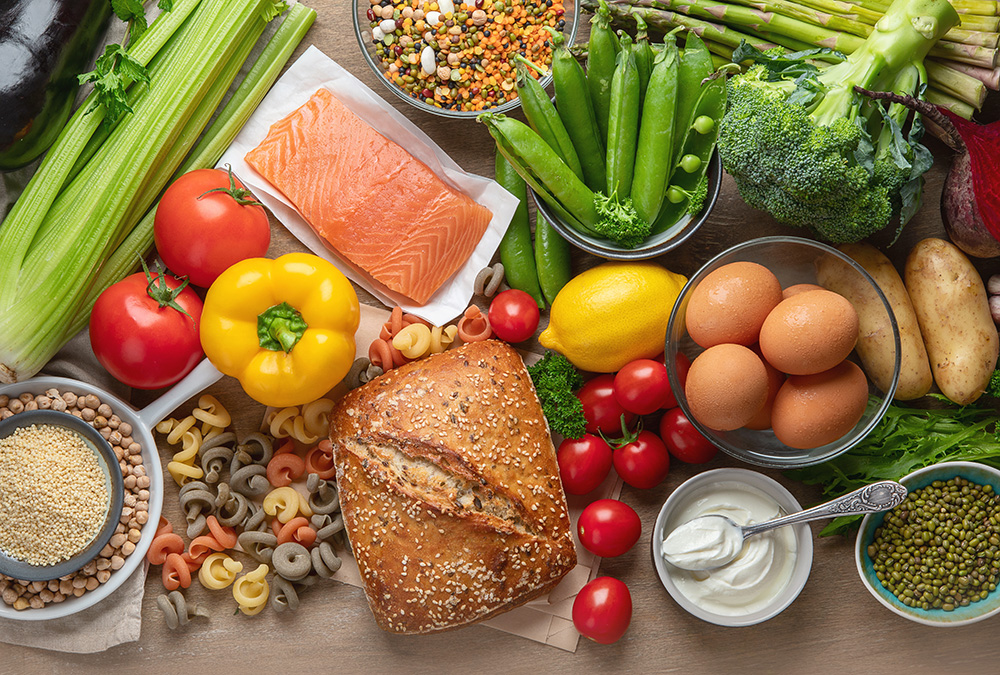
Current evidence supports eating patterns similar to the Mediterranean diet, which emphasizes fruits, vegetables, whole grains and lean proteins.
“Dietary interventions focusing on a Mediterranean style eating, incorporating your fruits and vegetables, and similar strategies have shown promising results for addressing mental health symptoms and kind of supporting our overall well-being,” King said.
Small changes can make a difference quickly, according to King, who recommends focusing first on blood sugar. For example, instead of eating a doughnut alone for breakfast, she suggests adding protein, such as an egg or yogurt.
“It’s not always about taking out something, but what we can add to better support our health and well-being,” she said. “Focus on balancing blood sugar with protein, carbohydrates and good fats.”
“One other thing is focusing on incorporating more fruits and vegetables and plant-based foods. As a society, we don’t get enough of those foods. I always encourage people to add one more vegetable or one more fruit per day as a good starting step.”
Nutrients that are important for brain health include Omega-3 fatty acids, B vitamins, vitamin D and protein. Omega-3 fatty acids are found in foods such as fatty fish, nuts and seeds.
Protein does not have to come exclusively from meat. Beans, legumes, soy, dairy products, nuts and seeds also provide protein.
Fiber also plays an important role because it feeds beneficial bacteria in the gut. King said those bacteria can produce neurotransmitters that support brain health.
“Fiber is food for the bacteria that live in our gut,” she said. “The bacteria that live in our gut actually help to produce some neurotransmitters that support brain health.”
King adds that nutrition is only one part of mental health. Adequate sleep, physical activity, social connections and stress management also are important.
More information on healthy eating and mental health is available at local extension offices in Kansas. A longer discussion with King on the effects of food on mental also is available on the weekly radio program, Sound Living, produced by K-State Extension.
PHOTO: Healthy food. (Adobe Stock-#306476105 │ bit24)