Real estate professionals remain bullish on ag land
Real estate professionals who specialize in rural land sales say demand remains resilient.
Don Hazlett, a broker and auctioneer with Farm and Ranch Realty Inc. in Colby, Kansas, said land values remain strong in his region. He noted that farmland in Rawlins County recently sold for $4,000 per acre.
“I think overall it sure is steady,” he said. “Sure, if you get a piece of tough ground it is still going to be tough.”
Buyers and sellers are proceeding with caution, according to another farmland expert.
“One of the most notable developments is we’ve been down on supply from three years ago,” said Colton Lacina, senior vice president of real estate at the Omaha, Nebraska-based Farmers National Company. “We were probably 20 to 25% off, but it has started to pick up. In the past six months there has been more supply moving onto the market.”
The slowdown during much of 2026 has been tied to increased farm production costs, including fertilizer and fuel, he said.
“Good property will always sell well, but in the marginal properties we were seeing cracks in value where yields were down and that is combined with higher expenses,” he said.
When the war in Iran started in February, diesel prices spiked. Lacina said buyers and sellers initially shrugged it off, but when prices continued to be high, activity slowed.
“Overall demand has remained steady,” Lacina said. “I think we’re going to see it pick up the next two months. This traditionally is our October lull because we’re outside of the norm with a lot of farmers focused on fall harvest.”
Data shows that active producers make up 80% of the buyers, Lacina said. Once harvest is over, buyers will look at opportunities, but he expects them to be selective. Driving factors will include quality, water availability if the land is irrigated, and location.
“If someone was looking out the front door and he saw some acreage he always wanted, he is probably going to buy it,” Lacina said. “But if he has to travel 15 to 20 miles from his base, he will likely evaluate it differently.”
Lacina knows of one case several weeks ago when a property came up for sale and three potential buyers were far enough away that they opted not to bid. Several years ago, they would have been active bidders. Each state has different factors that cause variations, he added.
Sales in Iowa, Indiana and Illinois steal the headlines when it comes to dollars per acre, Hazlett said, but buyers also recognize opportunity.
“If you get into the ‘I’ states, and even in Nebraska, land brings a large price and [buyers] are bringing cash,” Hazlett said, adding he has reports of land being sold for $15,000 per acre while comparable-quality land in his region can sell for $4,000 to $5,000 per acre.
In some cases, owners can use Section 1031 of the Internal Revenue Code, which can allow investors to defer capital gains taxes, providing an incentive to exchange land, he said.
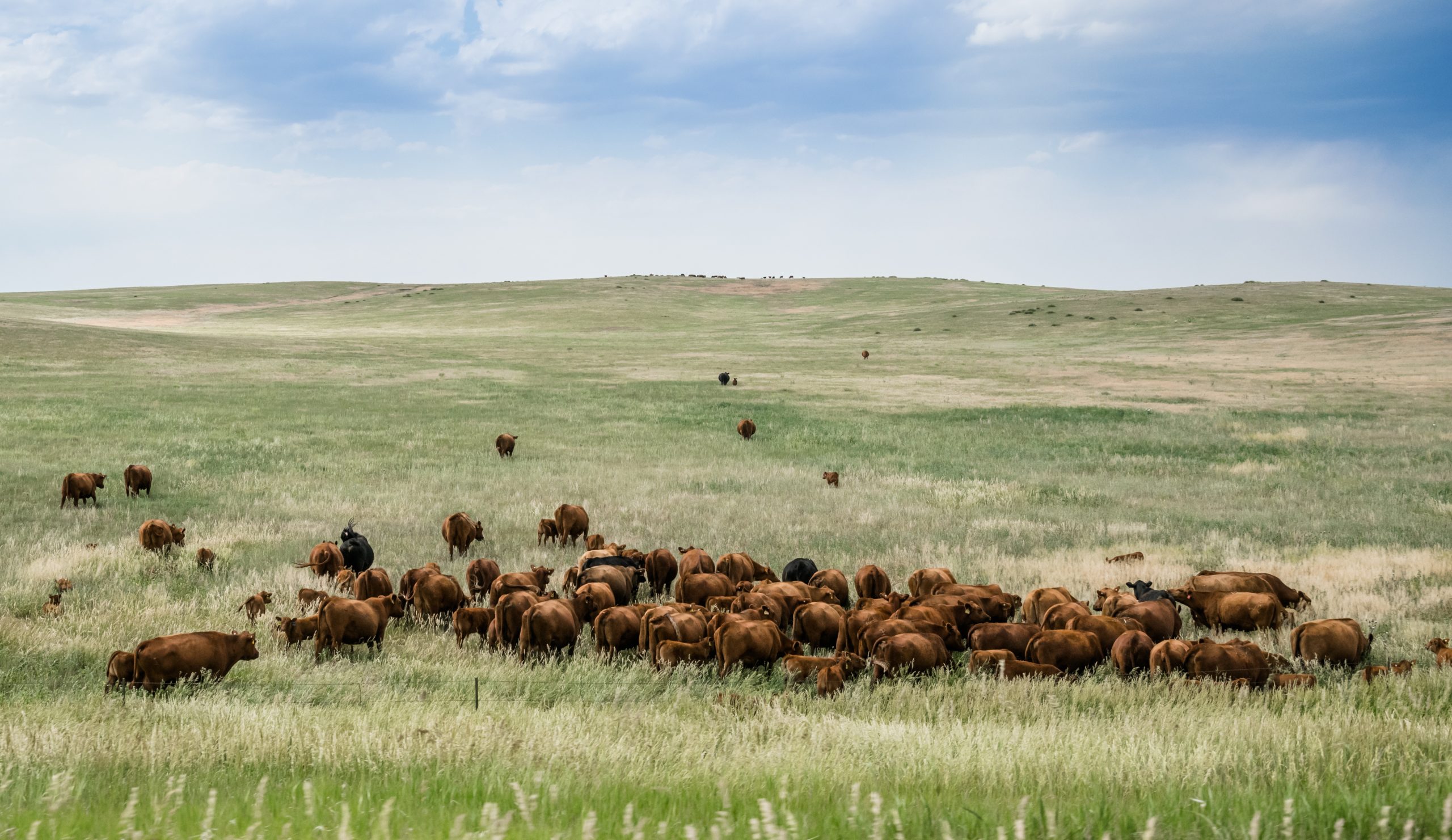
In the past two months, grassland in High Plains states has brought premium prices, Lacina said. Several large ranches have sold at levels that exceeded expectations as cattle prices have remained a strength in the agricultural sector.
Strong fat cattle prices have kept quality pastureland in high demand, Hazlett said.
“Conversely, where there are heavy row crop areas, there are more cautious buyers,” Lacina said.
Lacina’s advice to sellers is that they must understand that buyers are going to be more selective in today’s environment. That does not mean land will not command top dollar, but sellers need to provide as much information about their tract as possible, including production history and improvements.
“In the ‘I’ states (Iowa, Illinois and Indiana) tile maps are important,” he said.
In the case of irrigated land, the seller needs to provide production information, an outline of water resources and any related information that demonstrates value, Lacina said.
Hazlett said groundwater from the Ogallala Aquifer is needed to produce top yields, and buyers and sellers understand that wells have declined over the years. In some cases, wells have been pumped dry. Certifying water production is a must, he said, and any restrictions from groundwater management associations need to be noted.
When buyers feel comfortable with the information provided, it makes for a good fit, Lacina and Hazlett said.
Sellers should avoid the temptation of trying to time the market, Lacina said.
“A well-marketed property right now we’ll exceed expectations,” he said. “Work with individuals who know the area.”
As an example, he cited a planned southwest Kansas online auction that changed when the main irrigation well went down. Instead of proceeding with the auction and telling buyers the property would be sold “as is,” the representative worked with the seller. The goal was to make sure the well was repaired, working properly and that information could be shared well in advance with potential buyers.
Being proactive made a difference, and the farm sold exceptionally well, Lacina said. The buyers thanked the seller and Farmers National representative for postponing the sale and doing it the right way. It proved once again that honesty is important to buyers and sellers, he said.
Lacina expects an active fourth quarter with an increasing inventory of property as buyers look to see what is available.
Hazlett believes the market is going to continue to be active. “Land is an investment and it is as solid as there is. The neighbors are getting bigger and farmers are getting bigger,” he said. “Farmland is a solid investment and takes care of itself.”
Dave Bergmeier can be reached at 620-227-1822 or [email protected].