Guided hunts offer landowners another source of income
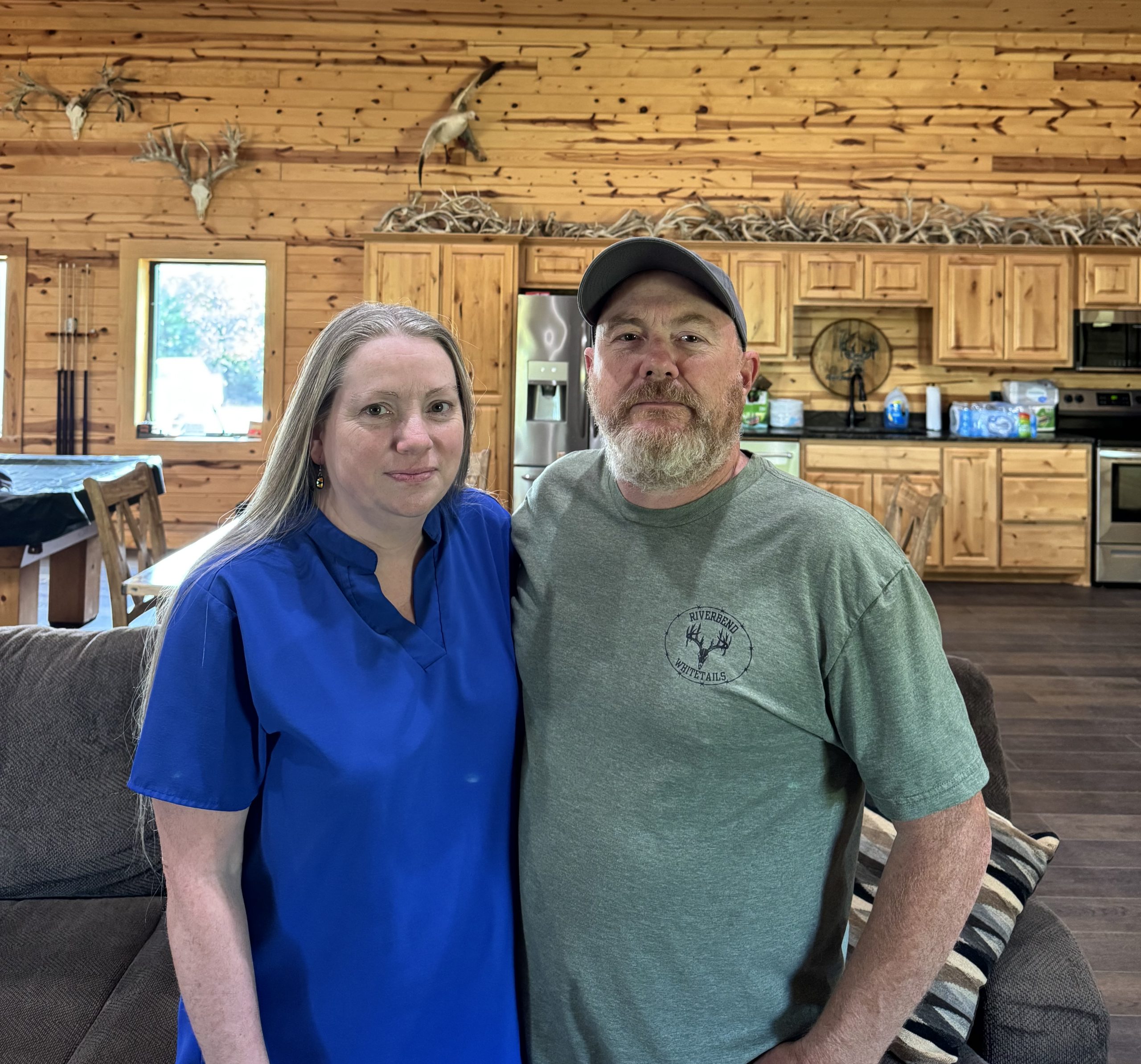
Mike and Kathy Charlton started Riverbend Whitetails of Oklahoma after purchasing a relative’s property and turning it into a guided hunt business over several years. (Courtesy photo.)
For landowners looking to diversify their operations, guided hunting businesses can provide an additional source of income alongside traditional agricultural operations. But entering the industry requires significant investment, careful planning and a willingness to manage wildlife and land, as well as customers.
Mike Charlton, owner of Riverbend Whitetails of Oklahoma, has built a successful, family-run guided hunt business. He started the operation about eight years ago after buying his father’s ranch, where the family had raised cow-calf pairs and Quarter Horses.
Charlton’s primary occupation is running a commercial beverage equipment service company. His interest in hunting and white-tailed deer led him to explore deer farming.
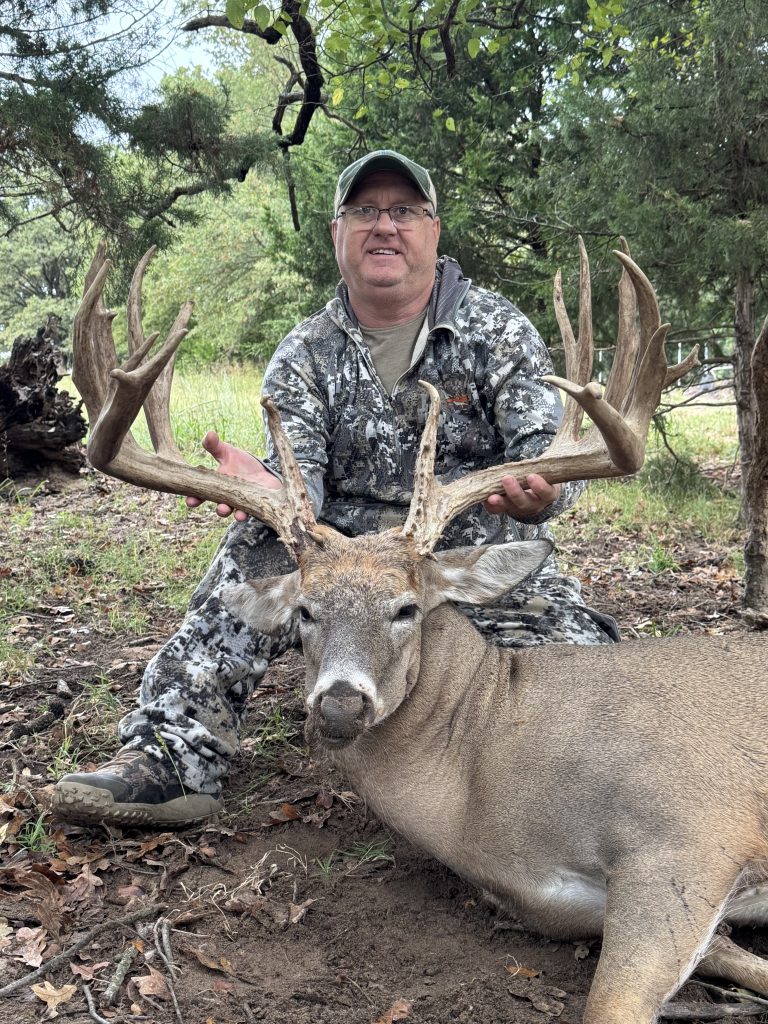
“We looked at getting into cattle, but eight years ago I just couldn’t see where you could make money with cows,” he said. “I’m a big hunter and I have a passion for white-tailed deer. I’ve hunted all over the U.S., Canada and Alaska. I thought it’d be fun to just play around and to raise a few.”
Getting started
Charlton visited several deer farming operations to learn more about the business before he made the decision to start raising his own animals and build a high fence around the 240-acre property.
He purchased 19 white-tailed does and a breeding buck to start his herd, and over two years he gradually installed a high fence around the ranch to keep the deer within the boundary. He allows the deer to roam in a natural habitat that mimics a wild game hunting scenario.
“A lot of people think it’s like hunting in a petting zoo,” Charlton said. “But these are wild animals. Even though they’re pen raised, they’re hard to hunt.”
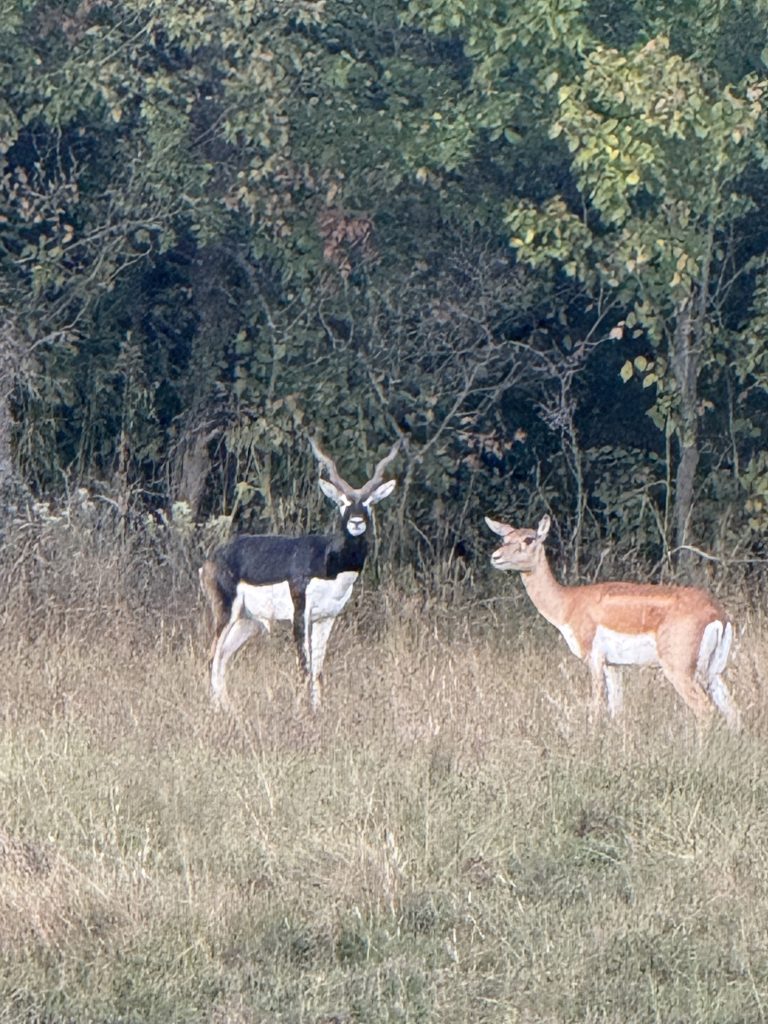
The hunting operation began with a small-scale opening about five or six years ago, followed by an expansion the next season. Eventually, Charlton built a lodge and now offers hunts on several other species, including wild hogs, axis deer, fallow deer, blackbuck, aoudad sheep, and Nubian ibex.
Riverbend Whitetails currently has about 500 head of white tails in breeding pens and the business had the opportunity to add additional adjacent land acres to bring his cumulative hunting property to 780 acres of prime Oklahoma hunting ground.
Charlton said the operation has additional opportunities to generate revenue outside traditional deer hunting seasons because hogs and some exotic species can be hunted year-round.
The business generally pauses hunting during June, July and August because of Oklahoma’s summer heat, although Charlton said it can accommodate hunts during those months when conditions and customer demand allow.
Deer farm management
Operating a deer farm involves more than maintaining hunting acreage.
“I would say white-tailed deer are pretty difficult to raise,” he said. “I check everything twice a day looking for anything that is looking sick.”
Charlton manages about 32 breeding pens, generally ranging from a half-acre to an acre, along with larger pens for young bucks. The breeding operation uses artificial insemination, a practice Charlton said Riverbend Whitetails has employed for about four years.
After weaning, buck fawns move into larger pens, followed by separate pens for yearling bucks and 2-year-old bucks. Charlton said bucks generally enter the hunting preserve at about 2 years old.
The operation also has begun releasing does into the preserve as fawns, with the goal of establishing a naturally reproducing deer population.
Different wildlife species are kept in designated pastures across the property. The ranch includes pastures of about 100, 200 and 240 acres, Charlton said, allowing him to separate species and manage the animals according to their needs.
Some hunting operations purchase mature bucks for clients to harvest, while others raise their own animals. Charlton said Riverbend Whitetails raises its own bucks, which helps reduce the risk associated with relying on outside purchases.
The cost of acquiring animals can be a significant consideration for people entering the business. Charlton sells standard grade does for about $5,000 each, a substantial increase from prices when he started raising deer.
“There are a lot of people interested in it, and a lot of deer are being bought and sold. So, the price is up.”
Herd health
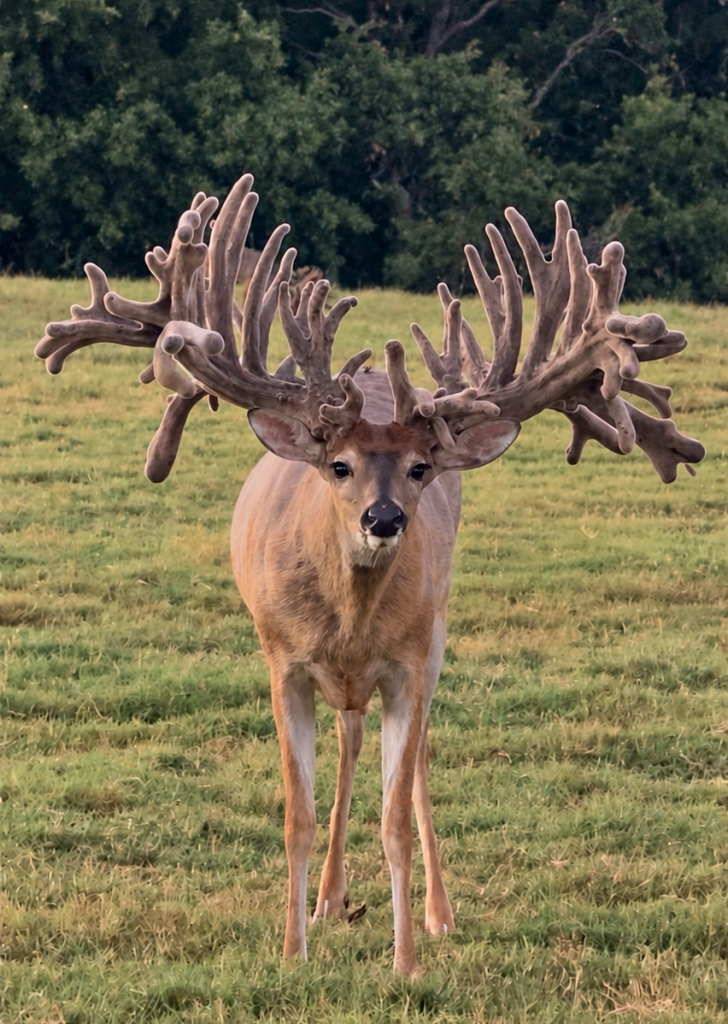
Just like with any livestock operation, animal health is paramount. Charlton said chronic wasting disease, a fatal neurological disease affecting deer and other cervids, is a top concern for all deer farms. Over the last few years, Riverbend Whitetails has made concerted efforts to breed deer with genetic resistance to CWD.
“We’re heavily involved in that and breeding all our deer in that direction to try to get CWD resistance built up into our herd,” Charlton said. “You have to AI to get those genetics into your herd.”
The operation is also involved in Oklahoma’s Chronic Wasting Disease Genetic Improvement Act, which allows for the release of captive-bred white-tailed deer with genetic resistance markers for CWD into the wild.
“I don’t think there’s any bigger conservation effort than to try to eradicate CWD,” Charlton said.
Charlton said two other viral diseases that are threats for deer owners are epizootic hemorrhagic disease and bluetongue virus, which are both transmitted by biting midges. Both can be fatal and can cause significant losses in white-tailed deer.
“We lose some animals to this every year,” Charlton said. “It’s one of the things that really makes the deer business tough.”
Although vaccines are available for some strains, he said they do not cover all the types of disease the operation may encounter. Pneumonia and unexplained animal deaths also can occur.
Weighing the investment
For landowners who already own property, hunting operations can provide another way to generate revenue from their acreage. Charlton said he sees outfitting as a viable option for farmers and ranchers seeking to diversify their income.
The economics can be attractive once an operation has established its infrastructure and customer base, he said. However, startup and operating expenses are substantial.
“It’s an expensive business, but there can be a good profit margin,” he said.
Land, feed, fencing, and equipment represent major costs. Charlton said the business also requires tractors, skid steers and utility vehicles, which must be maintained and periodically replaced.
Riverbend Whitetails’ average hunt costs about $8,000, according to Charlton, although prices vary depending on the animal and the hunt.
Ask questions and plan accordingly
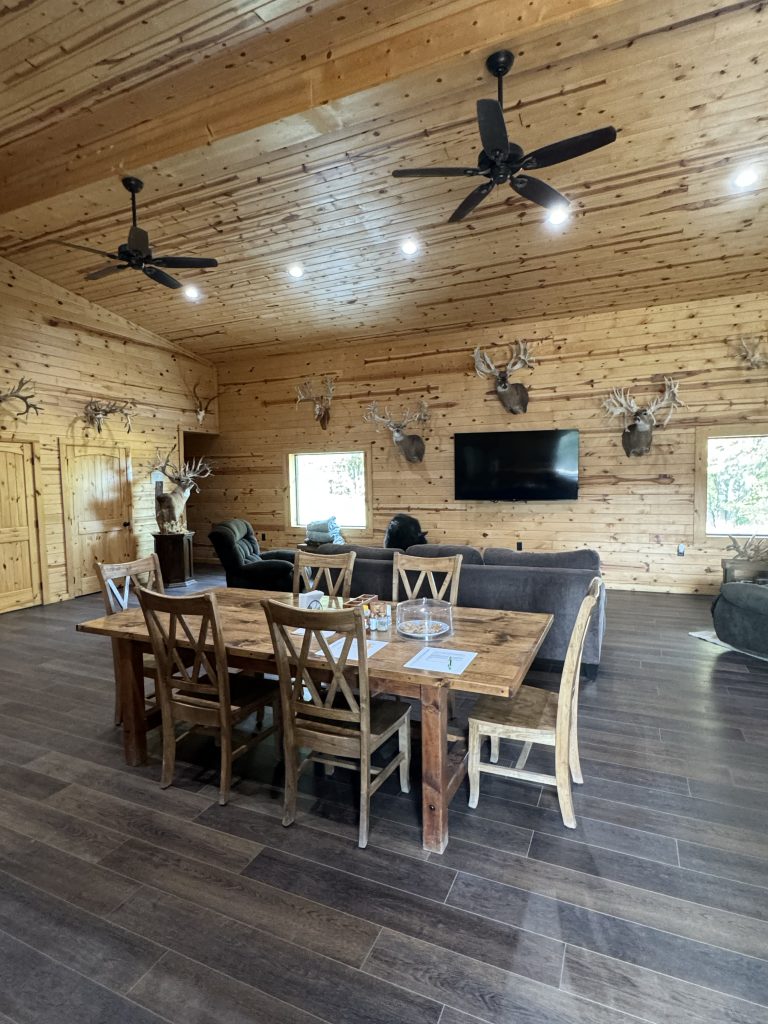
Charlton cautioned prospective operators against entering deer farming or outfitting without a detailed business plan. He recommended visiting several deer farms and hunting ranches to learn how different operations work before deciding which approach fits a landowner’s resources and goals.
Charlton said people sometimes enter the business without fully understanding those requirements, then lose animals and money before abandoning the operation.
“I think a lot of people get into the outfitting industry because they love hunting, and they think they can guide people to get animals,” he said. “But they don’t know how to run a business or how to treat customers.”
Charlton said his customers come from a range of backgrounds, from high-income hunters to working people who save for several years to afford a trip. Providing an experience that meets their expectations is important to retain clientele.
For landowners willing to do the research and manage both the wildlife and business sides of the enterprise, guided hunting can provide a way to generate additional income from their property.
“If you own land, you can capitalize on outfitting,” Charlton said. “You just have to take care of the customer.”
Lacey Vilhauer can be reached at 620-227-1871 or [email protected].