Washing hands is the first – and possibly most important – safety step
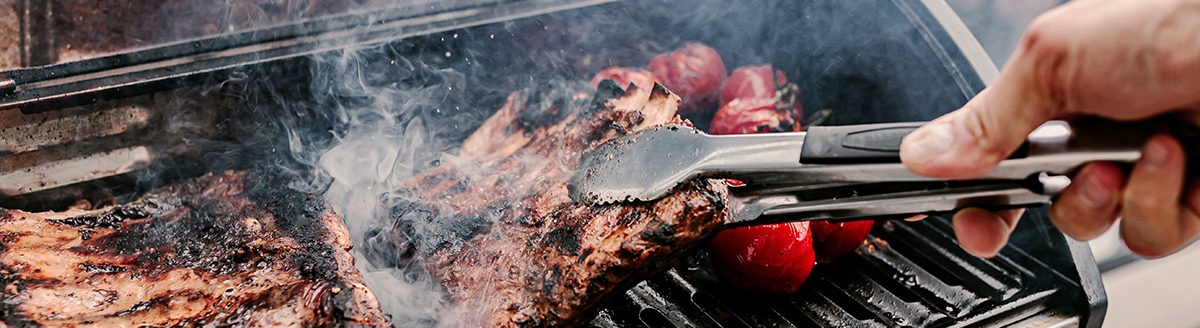
As warmer weather draws people outdoors, food safety should remain top of mind for anyone firing up the grill this spring, said Karen Blakeslee, a food scientist and coordinator of the Rapid Response Center for Food Science at Kansas State University.
Blakeslee emphasizes that proper food handling begins with a simple but critical step: washing hands.
“When you’re getting ready to prepare food, whether it’s in your kitchen or outdoors … wash your hands,” she said. “It’s very simple to do, and it can really prevent a whole lot of problems.”
Hand washing should happen throughout the cooking process, not just at the beginning. Blakeslee advises washing hands after handling raw meat and before touching cooked or ready-to-eat foods. Using separate utensils and plates for raw and cooked items is equally important to prevent cross-contamination.
“If you’re going to use the same utensils that you used for the raw meat, wash them before using them for cooked food. Or get different utensils,” she said. “You want to keep that separation.”
Cross-contamination can lead to foodborne illnesses caused by bacteria such as salmonella, E. coli, staphylococcus and listeria. These pathogens can spread easily from raw meat to other foods or surfaces, including hands and kitchen tools.
Blakeslee also recommends thoroughly rinsing fresh fruits and vegetables under running water and scrubbing firm produce like potatoes and carrots. Peeling produce can provide an added layer of protection.
When it comes to drying hands, disposable paper towels are the safer option. “The one-and-done is better,” she said, noting that reusable dish towels can harbor bacteria if used multiple times without washing.
A key tool for safe grilling is a food thermometer. Blakeslee says visual cues, such as color or touch, are unreliable indicators of doneness.
“One of the tools that should be in your grilling toolbox is a food thermometer, because that is really the true indicator on when things are done properly,” she said.
She recommends cooking meats to the following internal temperatures: 145 degrees Fahrenheit for steaks, chops and fish; 160 degrees for ground meats; and 165 degrees for poultry. Checking multiple pieces of meat is important, she added, because grills often have uneven heat.
“Grills, just like ovens, can have hot spots,” Blakeslee said. “You may have to move food around for even cooking.”
Food safety extends beyond cooking temperatures. Hot foods should be kept above 140 degrees, while cold foods should remain below 40 degrees. When grilling away from home, she suggests storing perishable items in coolers with ice and promptly refrigerating leftovers.
Blakeslee encourages grillers to explore cooking a variety of foods outdoors, including fruits and vegetables. Grill pans and baskets can help keep smaller items from falling through the grates, while foil packets can simplify cooking and timing.
“Sometimes the vegetables may take longer to cook than the meat,” she said. “Make a plan so all foods are done around the same time.”
Ultimately, she said, safe food preparation comes down to a few consistent practices: clean hands, proper separation of raw and cooked foods, and accurate temperature checks.
“Keep equipment clean or use separate utensils, wash your hands, keep cold foods cold, and use a food thermometer to verify food is cooked properly” Blakeslee said. “Those simple steps can prevent a whole lot of food safety problems.”
More information on food safety also is available at K-State Extension offices throughout Kansas.
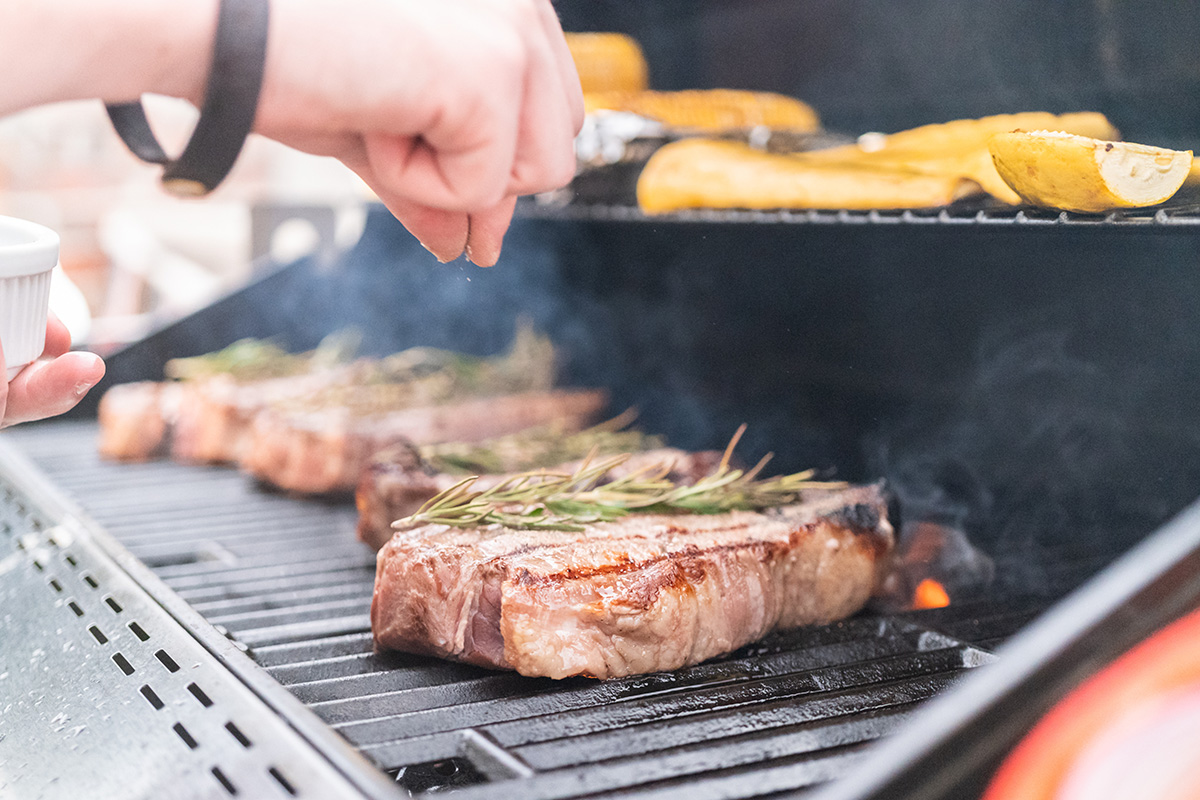
PHOTO: Grilling steak. (Adobe Stock │ #297395181 – arinahabich)