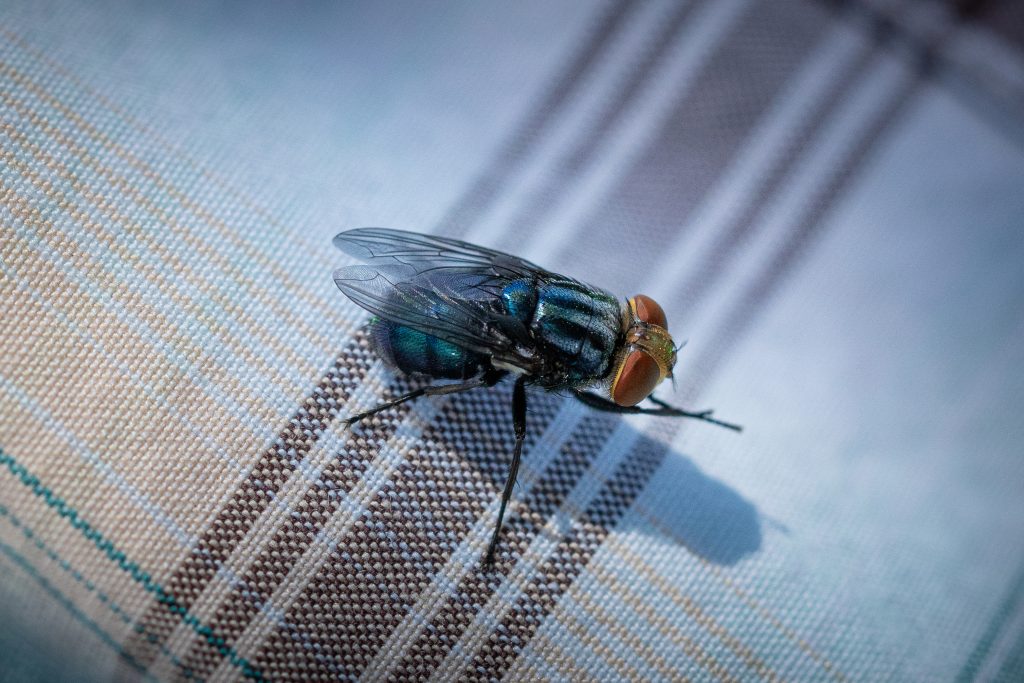
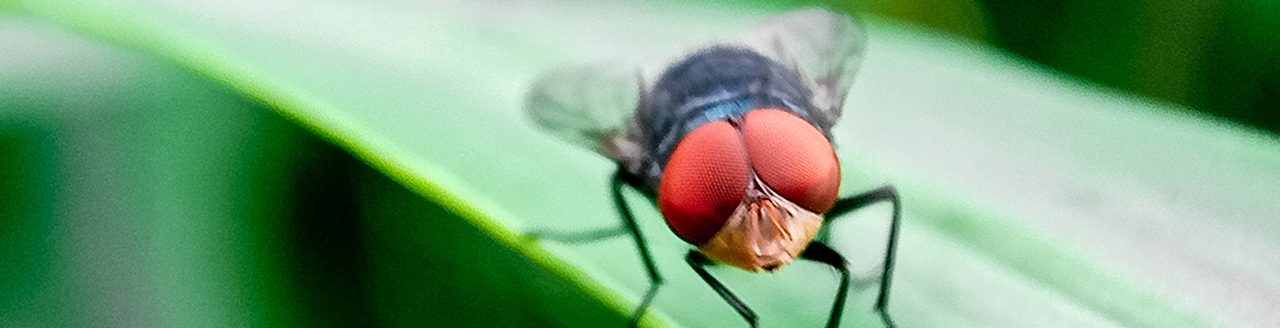
First equine case of New World screwworm confirmed in the United States
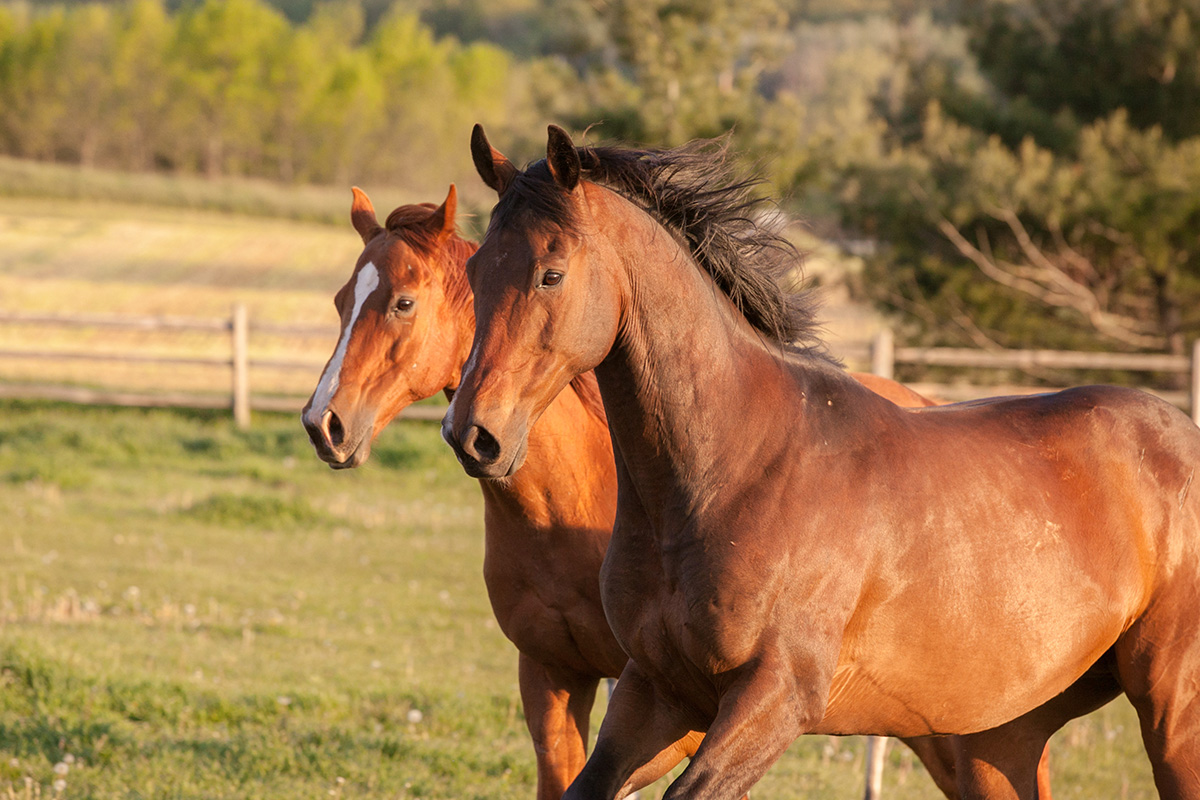
According to the U.S. Department of Agriculture, Sept. 9, the first equine case of New World screwworm was confirmed in a horse in Presidio County, Texas, along the United States-Mexico border.
The mare had a long wound on her hindquarter from an unknown source, according to an alert from Equine Disease Communication Center dated Sept. 10.
“Larvae were located in the deepest part of the wound, notable because it’s important that animal owners look closely at any wounds they suspect and collect maggots from all areas of the wound, if required. The horse is not known to have moved onto or off of the premises within the tracing window. She is a horse that is used on the ranch.”
The U.S. Equestrian Federation said NWS is a serious parasite that can infest wounds in horses and other warm-blooded animals. Because the larvae feed on living tissue, even small cuts or sores should be cleaned, protected, and checked closely until they are fully healed.
“Horse owners should inspect their horses every day for wounds, swelling, drainage, foul odor, or maggots. Pay close attention to small cuts, surgical sites, the umbilical area of foals, and moist areas such as the lips, nostrils, eyes, and genital areas. If you see maggots or anything unusual in a wound, contact your veterinarian right away. Early reporting helps animal health officials respond quickly with eradication tools like sterile fly release in your area,” USEF stated in a news release.
USEF along with many other equine organizations have protocols in place to help reduce the opportunities for spread of NWS.
USEF licensed directors have required steps that may include checking horses for wounds when they arrive and continuing to monitor horses during the competition. Finding and reporting suspect cases early helps protect horses and competition grounds from screwworm threats, including infestation and resulting quarantines.
“Remember that state animal health officials set policy for animals in their state, as well as animals coming in from states or geographic zones with screwworm cases, so you should remain aware of your state’s requirements as well as those of the Federation,” USEF stated in a news release.
USEF protocols and links to state and federal resources can be found at usef.org/screwworm.
Organizations like USEF encourage horse owners to help protect their horses and the “broader equine community by practicing good wound care, fly control, and biosecurity. Check horses daily, keep wounds clean and covered as directed by your veterinarian, use veterinarian-recommended fly control products, and limit fly access with physical barriers such as fly masks, sheets, and clean stabling practices when appropriate.”
For additional information about NWS, visit www.screwworm.gov.
Kylene Scott can be reached at 620-227-1804 or [email protected].