Seed selection and storage tips that can help improve the success of your garden
Gardeners preparing for the upcoming growing season have many seed sources to choose from, and selecting the right seeds can influence the success of a garden.
“Choose a reputable source that offers disease-free seed, high germination rates and those best suited to your zone,” said Katie Kammler, University of Missouri Extension field horticulturist. She also encourages gardeners to consider variety selection and the quantities available.
Seed companies often serve different audiences. Some specialize in home gardeners, while others supply both home growers and commercial producers. Catalogs and company websites typically offer smaller seed quantities for home gardeners and detailed information about specific varieties.
Some seed companies provide treated seed coated with fungicides or insecticides to help prevent problems. Pelleted seed is also available to make sowing easier. Organic and untreated seed options are also offered by many companies.
Kammler recommends comparing availability, pricing, shipping rates and discounts when choosing where to buy seeds. Many home gardeners order from multiple companies because certain varieties may only be available from a single source.
Variety selection is an important part of planning a garden. Gardeners should consider what grows best in their climate and soil conditions. For flowers, color and size options may be a factor. For vegetables, flavor, uniqueness and resistance to disease or insects may be important.
When trying new varieties, Kammler suggests starting small.
Gardeners should also review catalog descriptions and company websites for details that can help them successfully grow selected crops.
Kammler advises keeping an inventory of seed before purchasing more.
“It is so easy to go overboard on buying different varieties of seed, especially on dreary winter days when you are looking forward to spring,” she said.
Leftover seed can be stored in a freezer, refrigerator or another cool, dry location for the following year. Glass or plastic containers can help protect stored seed from insects and rodents.
However, germination rates typically decline the longer seed is stored, and how long seed remains viable varies by crop.
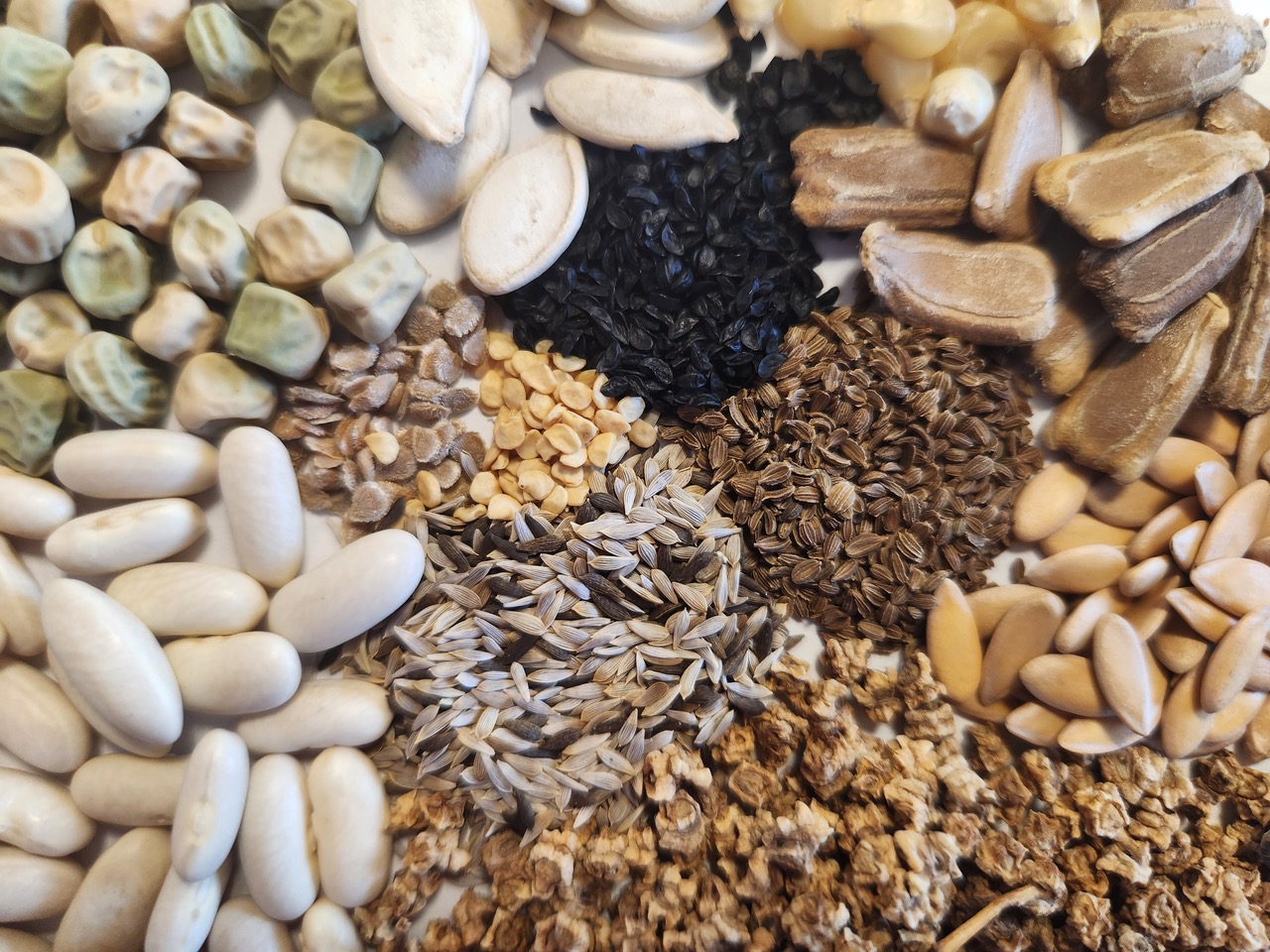
PHOTO: The success of your garden depends on seed selection. Compare availability, pricing, shipping rates and discounts to help determine what works for your garden. (Photo by Katie Kammler)