Grim reaper leaving mark on western Nebraska wheat crop
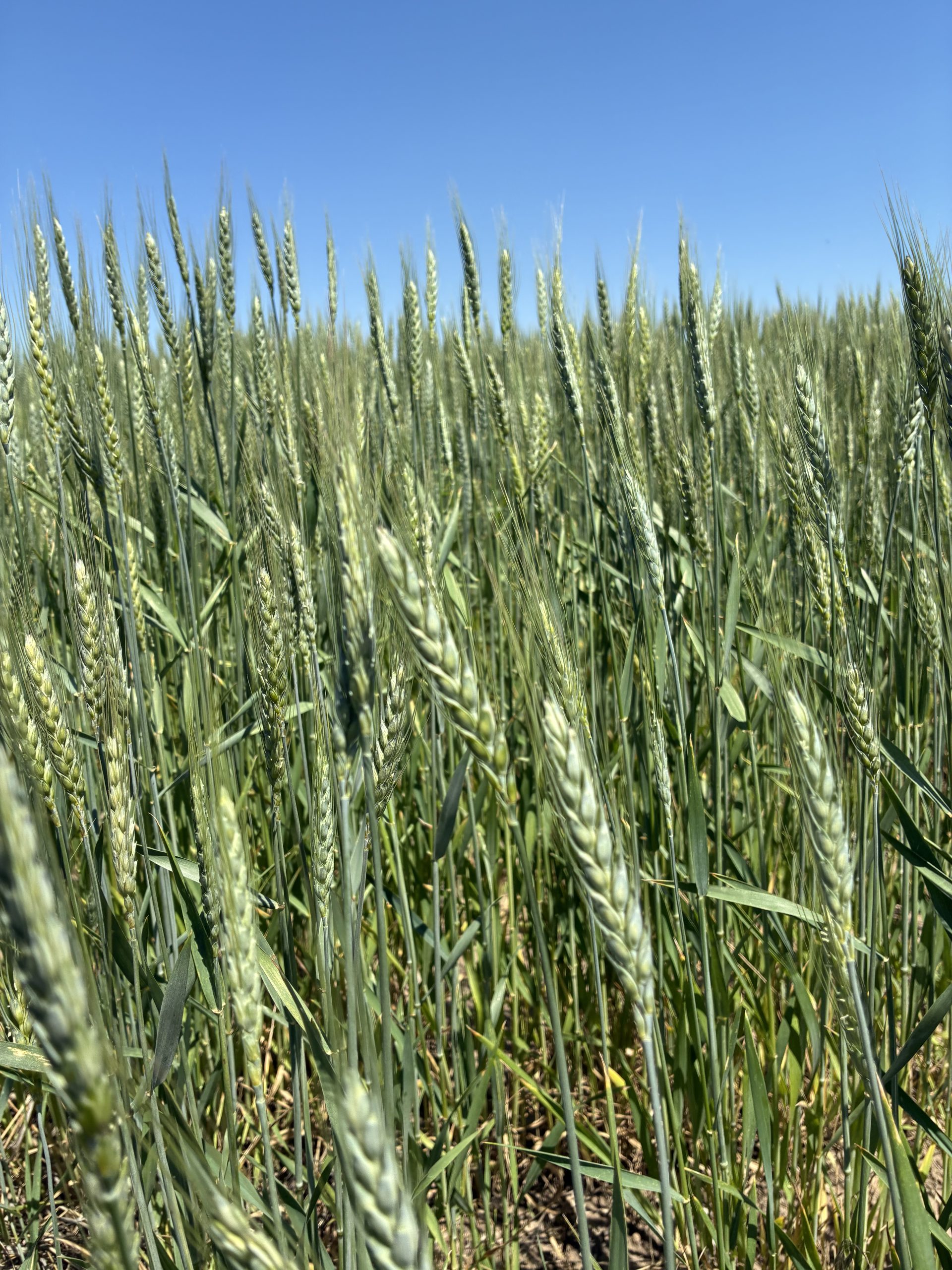
Cody Creech calls the western Nebraska wheat crop bleak for his growers.
Creech, an associate professor and the Fenster professor of dryland agriculture in agronomy and horticulture at the University of Nebraska, who is based in Scottsbluff, said crop adjusters will be busy in the panhandle.

“In Nebraska about 60% of the wheat is grown in the panhandle,” he said, estimating there were close to 600,000 acres planted on an annual basis. “I would be absolutely surprised if more than 20% gets harvested this year.”
Nebraska ranks 17th in wheat production. Based on May 1 conditions the crop was forecast at 16.2 million bushels, which is down 57% from last year, according to the University of Nebraska-Lincoln’s Crop Watch. The average yield, according to the U.S. Department of Agriculture’s National Agricultural Statistics Service, pegged the Cornhusker State’s yield at 28 bushels per acre.
Looking back over the past 100 years, climate and weather experts both said this is unprecedented, he said. “There’s nothing that we can point to this happening before.”
Growers with their own irrigation wells could at least apply some water and salvage their wheat crop, Creech said.
The wheat crop does improve starting in Grant County in the west-central region, but even those fields were impacted by drought. The tiller count was good, but the seed head size was about half of what agronomists like to see and that will mean reduced yields.
“I think it will be harvested through that region, but it’s not going to be nearly as strong of crop,” he said. “As we move farther east, we do have some pretty good wheat.”
However, eastern Nebraska does not grow much in comparison to farther west, he said.
Optimism last fall
Wheat growers were optimistic when they drilled their crop in the fall as late summer moisture and warm fall helped the crop to get off to a good start, Creech said.
“Once we planted it, the rains disappeared and we’ve been extremely dry in most of western Nebraska since September through the end of April. We had only received about 3 inches of moisture over an eight-month period,” he said. “We came out of winter and spring with a real deficit in our soil moisture levels and we just didn’t have what we needed.”
As a result, the wheat crop suffered, except in cases where the crop could be irrigated. Creech has been telling producers across the panhandle to contact their insurance agent so they can get the crop released. Unfortunately, the growers have few options.
“It’s put our growers in a real bind because it’s not really tall enough to hay. There’s not enough biomass to make it worth handling,” Creech said. “I haven’t seen a lot of people even grazing because it hasn’t been released yet.”
Because of the demand for adjusters, he expects the process to take some time and the adjusters will use tables to see if the crop has any yield potential to even 20 bushels per acre. Creech said the wheat is so short it is going to be difficult to harvest.
“There’s a lot of moving parts going on right now,” he said in reference to Rural Community Insurance Services and wheat adjusters. “My guess is a lot of wheat will start to get released soon and it’ll just be terminated and there’s really nothing they can plant in its place.”
Producers will likely spray it and let it fallow and look at drilling wheat in the fall or if moisture continues to be lacking, they may wait until spring to plant a spring crop, Creech said.
Without summer moisture, the situation will continue to look bleak, he said.
“A lot of our guys are pretty down,” he said, adding many panhandle producers have cattle operations and ranchers do not have any grass. “We don’t even have cheatgrass to graze. When the cheatgrass doesn’t want to grow, you know it’s pretty dry.”
As wheat growers review their options, he says if they plan to plant wheat this fall, he encouraged them to work closely with their seed representative.
“There’s a few folks who have a little bit of carryover, but it is going to be a really tight seed year for most guys in the region so plan ahead and get those orders in early so you’ll have something to plant,” he said, adding the growers will want seed that is best suited for their region.
Dave Bergmeier can be reached at 620-227-1822 or [email protected].