Safety awareness is basis for success

With summer’s heat behind us, it might be easy to go into cruise control about safety, but nothing could be further from the truth.
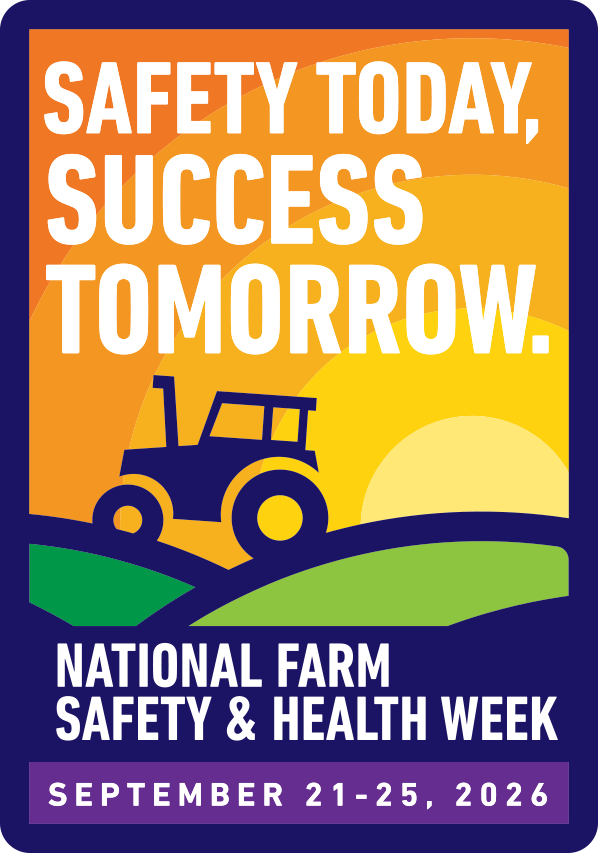
Safety awareness is the first pillar of a successful farm operation during National Farm Safety and Health Week, Sept. 21 to 25.
Our cover story about fire and its effect on families and employees by Field Editor Kylene Scott and our front feature about how stress can affect farm women by Field Editor Lacey Vilhauer are both excellent reads.
Wildfires and wildland fires affect the quality of air needed to breathe. Preparation and action by managers can save lives. In the case of stress, women often carry the hidden burden of not only caring for children and the household but also keeping the books and handling other essential farm operations. When economic conditions decline, their health can decline too.
Watching out for employees and family is a theme in both stories. Managers, family and friends are all crucial because no one should carry a burden alone—support systems are just as important as the assistance of lenders, accountants and tax advisers.
Dangerous occupation
The stories rightfully note that farms and ranches are unique businesses. Unfortunately, farming and ranching are among the most dangerous occupations. In 2024, the University of Missouri Extension noted that the U.S. Bureau of Labor Statistics reported a rate of 23 work-related deaths per 100,000 workers in the agricultural industry. That is seven times higher than the national average for workers.
Traditional farm safety hazards occur during busy seasons. Wheat farmers are drilling in their crop, corn producers are picking corn, and they will soon be followed by harvests of soybeans and grain sorghum. Livestock producers are rounding up cattle, moving them closer to home and getting ready for winter operations.
Daylight hours are shorter and the sun is lower in the sky. Fatigue can lead to drowsiness and that spells disaster.
No shortcuts
For farmers and ranchers, timeless advice includes avoiding maintenance shortcuts and keeping an emergency kit well stocked with a certified fire extinguisher. Keep safety shields in place and follow manufacturers’ recommendations. Make sure lights and turn signals are working and that signs are easily seen.
While younger operators take tractor and machinery safety courses in the spring, it is a reminder that all employees should brush up on precautions. Managers need to make sure personal protective gear is readily available and used by employees.
Fall harvest means added safety precautions around grain bins, and farmers and their employees should never work alone.
Motorists play a part, too
Farm safety also has an urban component as travelers want to see colorful scenes, but motorists also need to be patient and keep a safe distance. Farmers and ranchers have tight timelines during fall harvest and calving season. Fewer distractions are a plus.
For those of us in the ag media, when we have to write a story about a serious farm accident or fatality, it is emotionally draining. In our eyes, a successful harvest begins with safety.
The National Education Center for Agricultural Safety’s website has valuable information at https://www.necasag.org/nationalfarmsafetyandhealthweek/.
Dave Bergmeier can be reached at 620-227-1822 or [email protected].