
Maintaining egg production during cold months
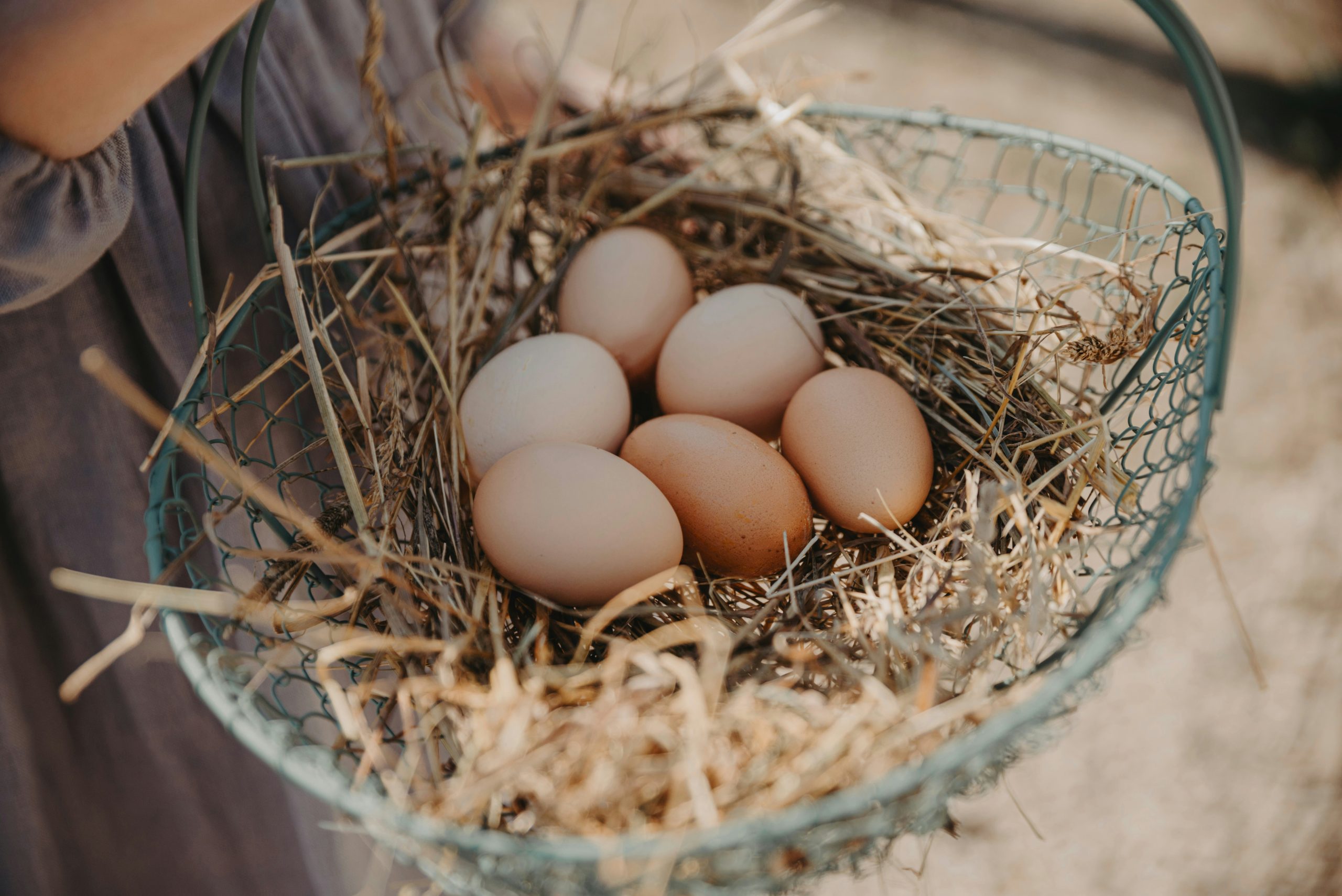
If you own backyard chickens, you might have already noticed a decrease in egg production as the fall season has begun, and the daylight hours have lessened. Hens require 12 to 14 hours of daylight to continue laying the number of eggs they lay in the spring and summer months. It depends on the breed and the hen, but some hens will stop production entirely this time of year and not start up again until spring.
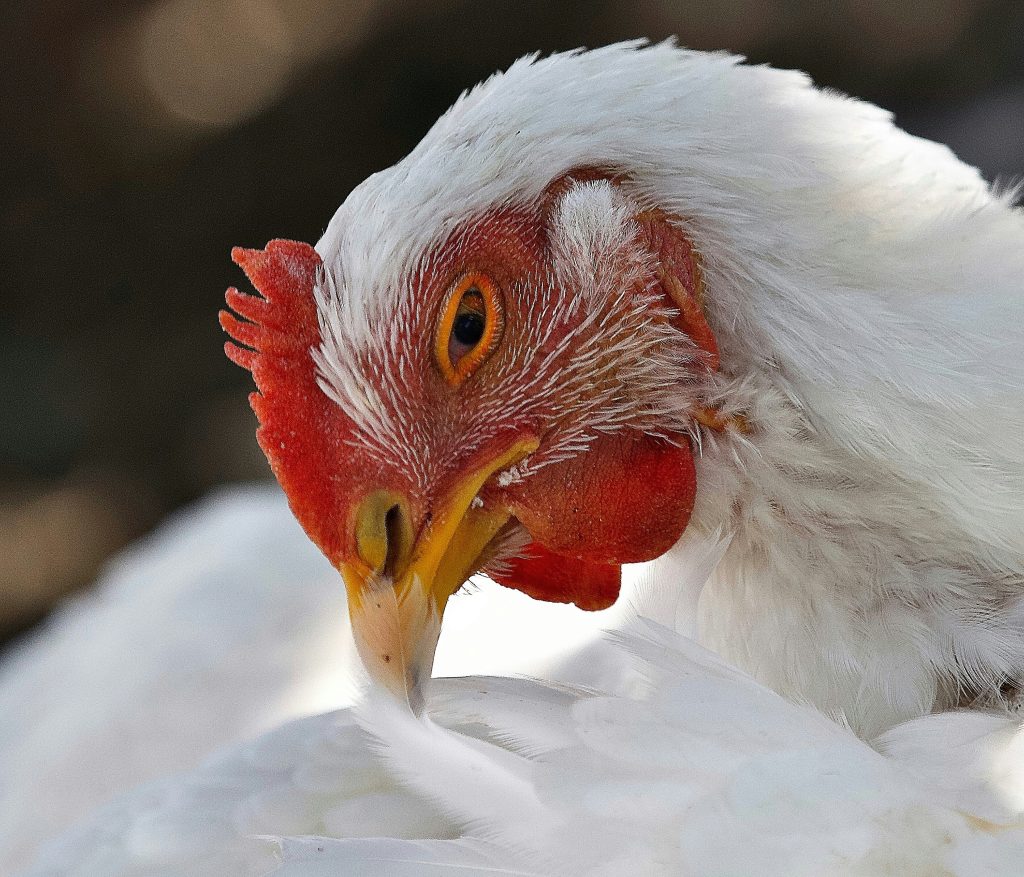
Molting, which is when hens shed their feathers and grow new ones, also happens in the fall or winter. Hens will usually stop egg production during this yearly cycle to use their energy for feather growth. By the time their features come in, the daylight has been reduced to less than what they need for egg production, and they will often take their egg laying sabbatical until spring.
Reduced egg production in the cooler months is a natural process for hens. Many owners see it as a “seasonal vacation” for chickens when the eggs will not be as plentiful, and they end up purchasing supplemental eggs at the supermarket. However, there are ways to “trick” hens into continuing to lay eggs in the fall and winter months, just like the large egg suppliers do every year to keep their product on grocery store shelves.
How to extend daylight hours
Since there is naturally less sunlight in the fall and winter months, chicken owners have to provide artificial light if they want chickens to continue laying five to seven eggs per week. However, it’s not as simple as leaving the light on in the coop all night.
Instead, it is best to add a light on a timer to provide the extra hours of daylight hours hens need. Never give them more than 16 hours a day—because each bird needs her rest—and too many daylight hours will throw off their internal clocks.
The color of the light is also crucial. It is recommended to use a “warm” wavelength bulb, which is orange or reddish in color to stimulate daylight. There are inexpensive light systems with timers that can be purchased online and at some farm stores to achieve year-round laying. Some plug into an electrical outlet, and some are charged with a battery, preventing the need for electrical wiring in a coop.
Safety while using the artificial light method is vital because chicken coops can catch fire easily with the bedding that is often used to keep hens comfortable and warm in the winter. Always keep the light in an area that cannot create a fire risk and regularly perform safety checks to ensure your set up is safe, and your flock isn’t at risk.
Toasty warm
The temperature in the coop is also an element to consider. Keeping the coop above 35 degrees Fahrenheit will help the hens continue laying even in the dead of winter. The safest way to keep the coop warm without adding a heater is by adding insulation and sealing areas of the coop that could let cold air in.
This is also a great time to add extra predator protection if you have unwanted visitors in the night. Nothing slows down egg production more than a ravenous raccoon or fox trying to break into the chicken house every night while the girls are trying to catch some Z’s. That stress can cause hens to focus on self-preservation rather than egg production. A happy and stress-free lady is always a better layer.
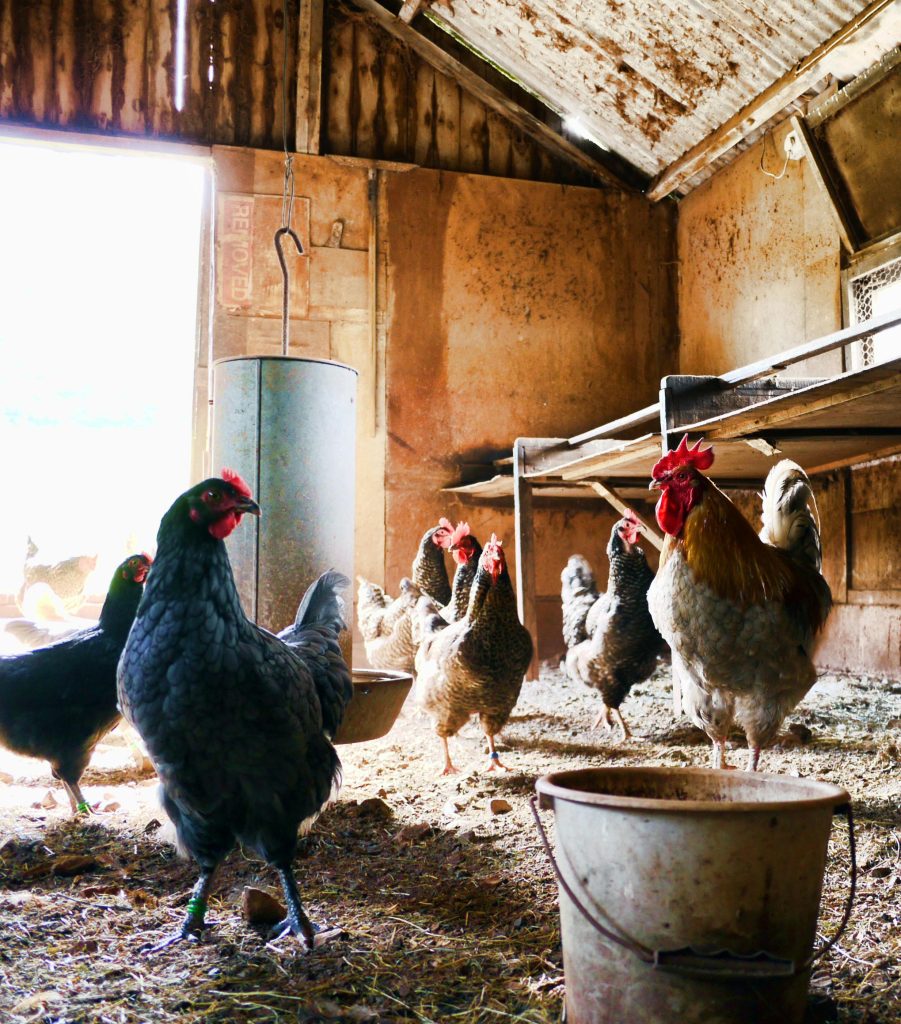
It is also a good idea to deep clean the coop and add fresh bedding for extra warmth in the colder months. However, depending on where you live and the types of winter weather you receive, these strategies might not be enough to keep your coop warm enough.
Coop heaters can be purchased to supplemental heat, but they are a fire risk if they are too close to bedding or other flammable material in the coop. Additionally, chickens that are used to the heat they provide can be put in a life-threatening situation in the event the electricity goes out and there is a sudden drop in temperature in the coop. Weigh these considerations before adding a heater.
Diet matters
What goes in always has an effect on what comes out the other end when it comes to chickens. Proper diet and hydration can go a long way in supporting egg production in the cold months. Hens may require additional feed to maintain their body temperature and keep their egg factory up and running.
Since eggs are 35% protein, adding extra protein to a ration can be the extra boost birds need to sustain their production. Good examples of protein for chickens are meal worms, fly grubs, cooked eggs (make sure to cool before feeding), and meat scraps. Scratch is not included as a good protein supplement because of the fat content in the grain. Feeding too much scratch can actually reduce egg production with certain breeds.
Fresh water is important whether you are trying to extend your egg production or not but adding artificial light or heat can cause chickens to naturally drink more. Frozen water is the biggest problem during the winter, but a heated waterer is an easy way to keep water available at all times. Additionally, chickens drink more in the winter if it is warm or at room temperature.
Adjusting a flock’s environment to encourage consistent egg laying in the fall and winter months is a choice some chicken keepers make when Mother Nature doesn’t provide the needed support. It’s not hard to do with the proper knowledge, and the efforts can lead to more farm fresh eggs to enjoy year-round.
Lacey Vilhauer can be reached at 620-227-1871 or [email protected].
Related coverage and resources
- Related on HPJ: How to support molting chickens
- Related on HPJ: How to help your chickens beat the heat
- Outside resource: USDA National Institute of Food and Agriculture


