Beef Checkoff-funded resources are available to help producers prepare and respond to New World Screwworm.
Following the June 3 announcement that New World screwworm has been found in the United States, the United States Department of Agriculture is urging producers to be vigilant and prepared. To ensure producers have access to the resources needed, the National Cattlemen’s Beef Association’s Checkoff-funded Issues Management and Public Relations team has developed a suite of resources to prepare producers for prevention, identification and treatment, should it be needed.
Producers are encouraged to visit BQA.org/Screwworm/Producer to access and download identification resources and on-farm posters in both English and Spanish. This webpage also provides links to treatment information and additional information resources from the USDA.
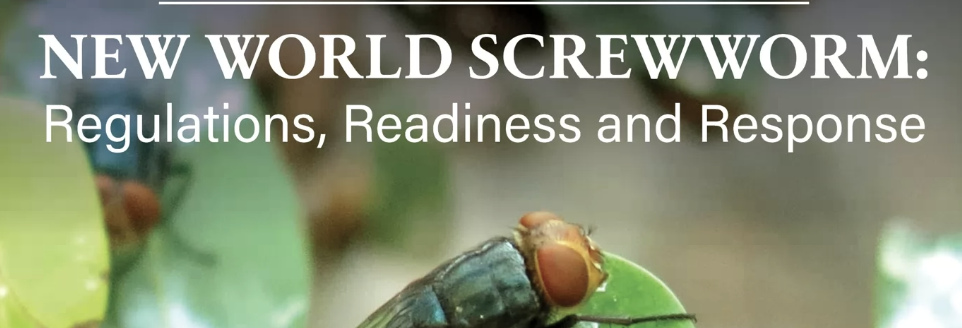
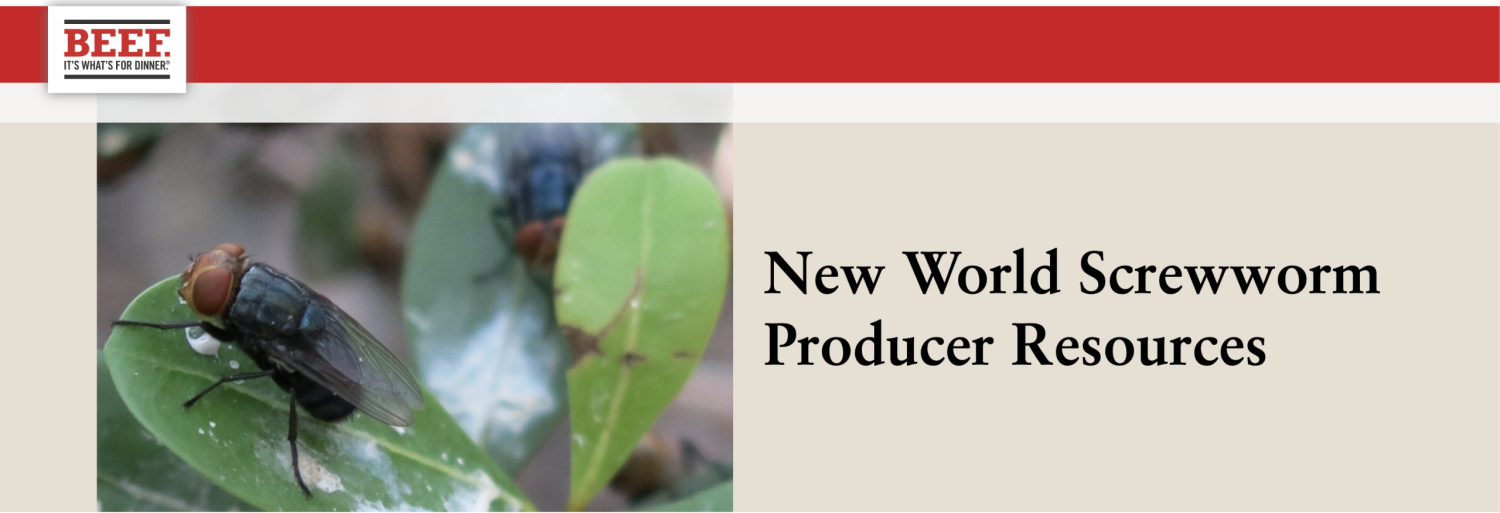
NWS is a devastating pest that affects livestock and other mammals. The screwworm fly larvae, or maggots, burrow into the flesh of living mammals causing serious and sometimes fatal damage to the host. Infestations occur when screwworm flies are attracted to an open wound and lay their eggs in the tissue. NWS can affect livestock, pets, wildlife, birds and, in rare cases, people.
In 2023, the USDA Animal and Plant Health Inspection Service confirmed an unprecedented number of NWS cases in Panama. Since then, NWS has moved northward with cases detected in every South American country, Mexico and now, the United States.
NWS is not a food safety threat and is not transmitted though meat or other food products. Beef is safe for human consumption according to the USDA, the U.S. Centers for Disease Control and Prevention, the U.S. Food and Drug Administration and the World Health Organization. Any evidence of a screwworm infection would be identified during the USDA Food Safety and Inspection Service inspection processes, and adulterated product from the affected animal would not be allowed to enter the food supply.
Any suspicious wounds, maggots or infestations on livestock should be reported to a local accredited veterinarian, State Animal Health Official or USDA. All wounds should be treated immediately with approved insecticides.
For more information on New World Screwworm identification, treatment and eradication efforts visit: BQA.org/Screwworm/Producer or Screwworm.gov.