Periods of high temperatures can be challenging for both plants and gardeners. Understanding how heat affects plant growth and taking a few practical steps can help maintain a healthy landscape during stressful hot summer conditions.
Plants respond to rising temperatures in ways that are not always immediately apparent. Aaron Steil, consumer horticulture extension specialist at Iowa State University, said that once temperatures exceed 86 degrees Fahrenheit, the growth rate of most plants begins to slow.
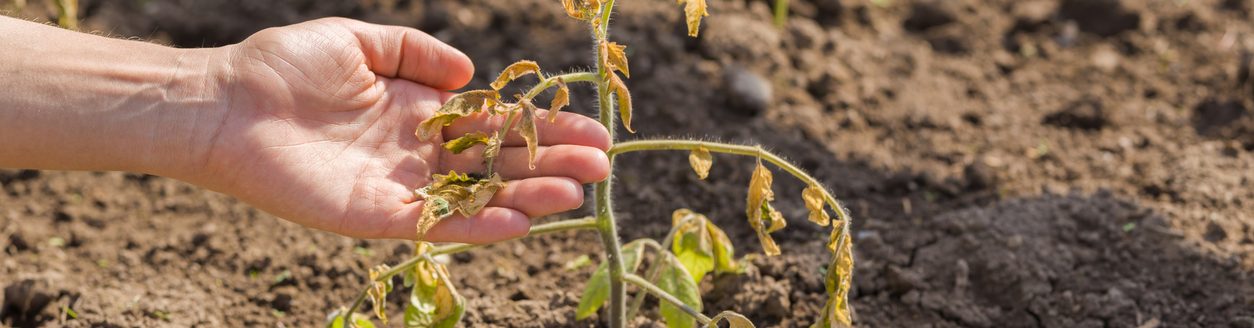
At higher temperatures, photosynthesis declines while respiration continues. This imbalance can reduce a plant’s energy reserves over time. Prolonged heat can also increase water loss through leaves and soil, leading to wilting and, in severe cases, leaf death. Steil noted that if high temperatures persist, vulnerable plants can die from a depletion of their food reserves.
Vegetables often show symptoms first. Lettuce and spinach may bolt, while tomatoes and peppers can drop blossoms or delay fruit set during extended hot nights.
Adjust watering
Check soil moisture frequently and water when needed. Water early in the morning so plants can absorb moisture before temperatures climb. Direct water to the base of plants or use soaker hoses or drip irrigation to reduce evaporation.
Consistent moisture is especially important for vegetables. Uneven watering can lead to blossom end rot in tomatoes and peppers or bitter cucumbers. Container plants require extra attention because they dry out quickly. “Plants in containers and hanging baskets may need water twice a day,” Steil noted.
Newly planted trees, shrubs and perennials are also particularly vulnerable due to their limited root systems and should be monitored closely.
Conserve soil moisture
Adding a layer of organic mulch helps reduce evaporation and maintain more consistent soil moisture. It also shades the soil surface, keeping root systems cooler during extreme conditions. This practice is particularly helpful in vegetable gardens, where shallow-rooted crops are more sensitive to drying soils.
Provide temporary shade
Reducing light can lower plant stress. Move containers into shade or provide temporary cover for garden plants. Shade cloth or lightweight fabric can protect sensitive plants and help prevent sunscald on vegetables like tomatoes and peppers. Keeping these covers elevated above plants allows air circulation and prevents heat buildup around the foliage.
Avoid additional stress
Delay fertilizing, planting and transplanting until temperatures moderate. These practices encourage growth that plants cannot sustain under heat stress. These activities can disrupt root systems and increase water demand at a time when plants are already struggling to maintain balance.
Manage flowers and growth
Many plants reduce flowering during extreme heat. Removing spent blooms improves appearance, conserves energy by redirecting it away from seed production and prepares plants to recover. Vegetable crops may also stop flowering or drop blossoms, reducing yields. Providing good care will encourage continued production once temperatures improve.
Care for the lawn
Cool-season grasses commonly grown in the Midwest respond to prolonged heat by going dormant. Although lawns may turn brown, the roots and crowns remain alive. Under typical conditions, turfgrass can survive four to six weeks in this dormant state.
If dry conditions persist beyond that period, supplemental watering may be needed to ensure survival and encourage recovery when temperatures begin to cool.
Remember the gardener
Gardeners should also take precautions. Work during cooler parts of the day, stay hydrated and take breaks.
“Heat is demanding on both plants and people, so recognizing and responding to heat stress is important,” Steil said.
For related content and more information, visit:
- Managing the Garden in Extreme Heat
- Watering the Garden and Lawn During Periods of Drought or Water Restrictions
- Yard and Garden: Iowa State University Extension and Outreach
PHOTO: A young woman sits in the garden, wiping the sweat from her brow. (iStock-#1366545439 │ Ildar Abulkhanov)