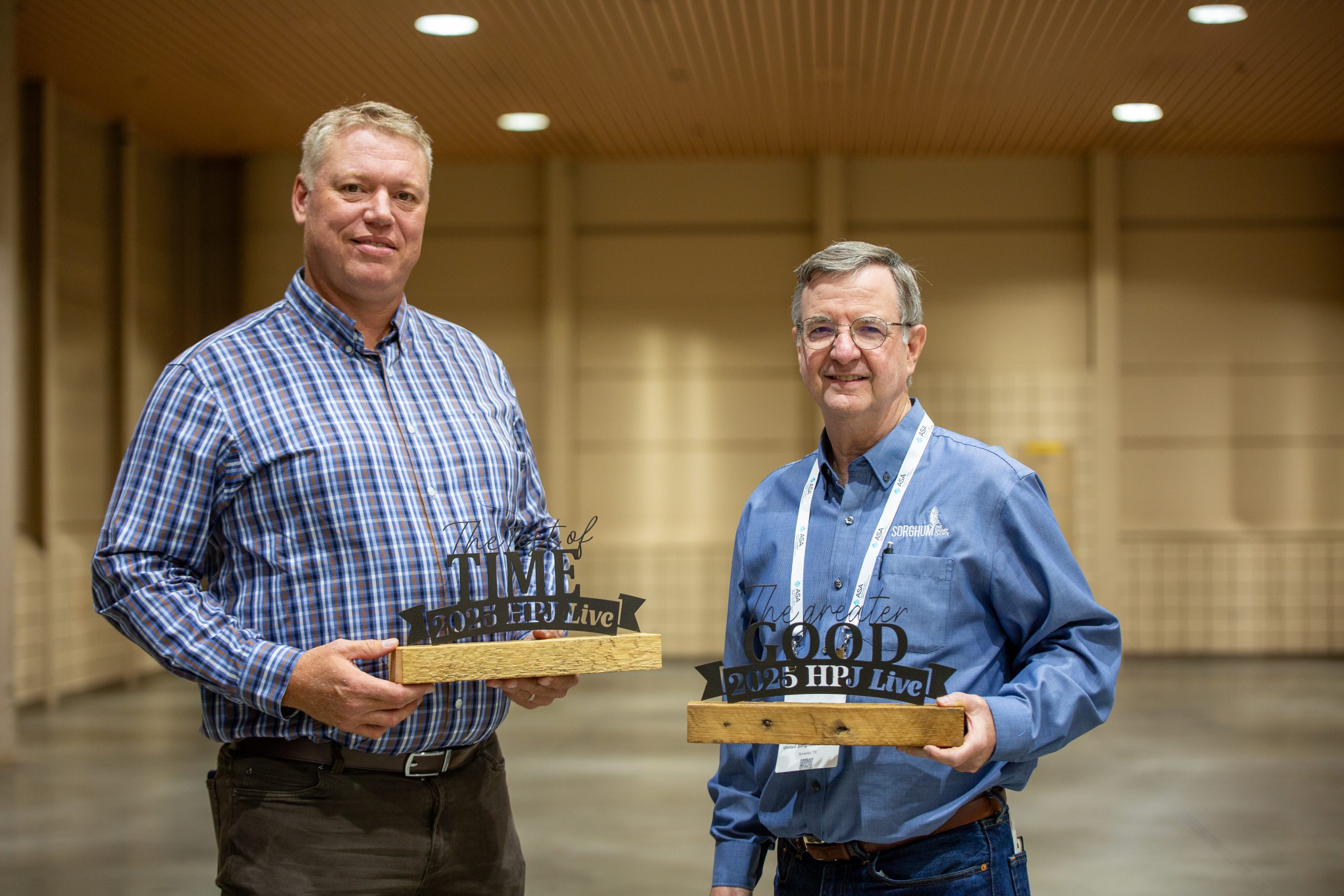
Roy Pfaltzgraff and Brent Bean 2025 HPJ Live Award winners. (Journal photo by Kylene Scott.)
During the first HPJ Live event, held Aug. 6-8 in Wichita, Kansas, and hosted by High Plains Journal, two individuals were presented with HPJ Live Awards. Selection for the awards included an online nomination process for candidates. From the nominations, winners were chosen by a committee from HPJ staff.
The winners were notified in advance of HPJ Live and provided free attendance for themselves and their immediate family to attend the show and the awards ceremony, held Aug. 7.
The Greater Good Award is given to honor an individual who has gone above and beyond to help High Plains farmers, producers and ranchers on their land or in their operations to become more profitable. Through the lens of community impact and how the industry has been shaped due to the works of this recipient the Greater Good Award winner was Brent Bean, director of agronomy at the United Sorghum Checkoff Program.
The second award presented at HPJ Live is the Test of Time Award. It is given to honor a farm, ranch, operation or family that has stood the test of time and prevailed through the challenges of the agricultural economy–to honor a producer’s success in innovation, land stewardship, and sense of stability. The recipient of the Test of Time Award was Roy Pfaltzgraff, a regenerative farmer from northeast Colorado.
Brent Bean
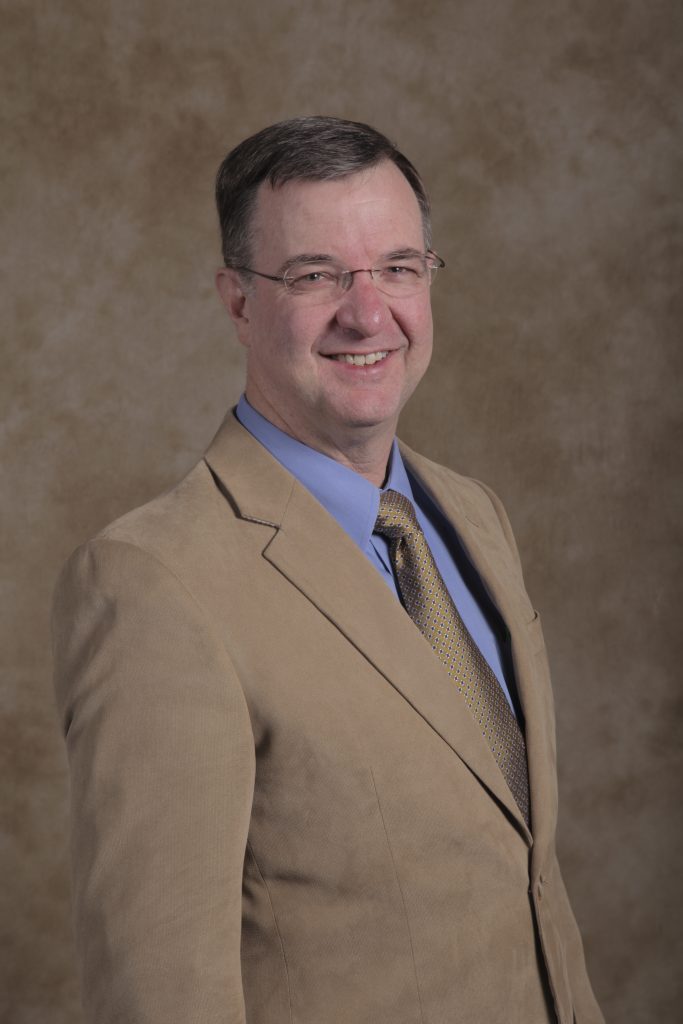
Bean, of Amarillo, Texas, grew up on a farm in the Texas Panhandle, and expected to return to the operation after college. However, a professor recommended he go to graduate school for weed science. He enjoyed education so much, Bean went on to achieve his doctorate, also in weed science at the University of Nebraska.
He began his career working in Extension agronomy and research at Texas A&M University for 25 years, then took a job as the director of agronomy for a start-up bioenergy sorghum company, called Next Step, holding that position for three years. Bean said he is thankful he went into the broad field of agronomy instead of specifically weed science, which would have limited his expertise in the long run.
“I’ve got lots of other questions coming in from seeding rates to fertility to plant pathology to variety selection, and I’ve really enjoyed that,” he explained. “I think it would have been boring just to have done one discipline.”
In 2015, he accepted his current position of director of agronomy for the USCP. Bean said with this job, he has the best of two worlds within research and consulting with sorghum producers. He also writes a monthly column in HPJ, called Sorghum Outlook. Bean said much of his agronomy research has been aimed at helping producers become more efficient with their practices, both in their productivity and profitability.
“This position has fit a lot of things that I like doing, which is the research arm of agronomy, as well as just the interaction with farmers and crop consultants,” Bean said. “This position with the Sorghum Checkoff, I think just really fit me very well, because I could continue to use those relationships that I’d built over the years in the High Plains.”
Bean said he has always enjoyed working directly with farmers, looking for ways to improve their bottom line and overall success.
“When I started my career many years ago, I wanted to do something that would hopefully help others,” he said. ““I think from an agronomy standpoint; some people will think we’ve got all the answers. But agronomy is always changing. Early in my career, almost everybody was still doing lots of conventional tillage and there was a lot more irrigation being used—although it was not nearly as efficient as it is now. Things just progress over the years, and management practices change, as they should, and we just get better. Working with Extension for as many years as I did, and now in this role for the last 10 years, I certainly hope, that it’s made a difference in some farmer’s lives.”
The person who nominated Bean had this to say of his dedication to agriculture and aiding farmers in the sorghum industry.
“Dr. Bean has driven forward research-based agronomic strategies that have empowered producers to improve yields, efficiency and sustainability,” the nomination read. “His deep expertise—built over decades in both public research and the private sector—has made him a trusted voice in sorghum production, from guiding hybrid selection to optimizing management practices across diverse growing regions.”
Bean said he was surprised, but honored to be nominated and selected for the HPJ Live Greater Good Award.
“I’ve had various awards over the years, but really kind of figured most of that was behind me,” he said.
Roy Pfaltzgraff
Pfaltzgraff grew up working on his family’s farm in Colorado, where the average annual precipitation is 13 to 14 inches. His father started using no-till practices in 1984 in an effort to conserve the moisture their farms received. By 1999, the farm was 100% no-till. Pfaltzgraff originally returned to the farm after college and rented some land to start farming on his own, but his landlord had other plans and rented the ground out from under him.
At that time, he switched gears and worked in other industries for several years. In the fall of 2016, Pfaltzgraff’s father was at a crossroads. He was worn out physically and mentally from farming alone and wanted his son to return to the family farm.
“He said, ‘Either you come back, or we sell out,’” Pfaltzgraff explained. “My response was, ‘OK, but we can’t do what we’ve been doing.’ Because he had farmed for 40 years and was really not getting in a better position than when he started. I just saw things and in the ag economy sector getting worse. He agreed that if I could show the possibility of profitability and success, we could start changing.”
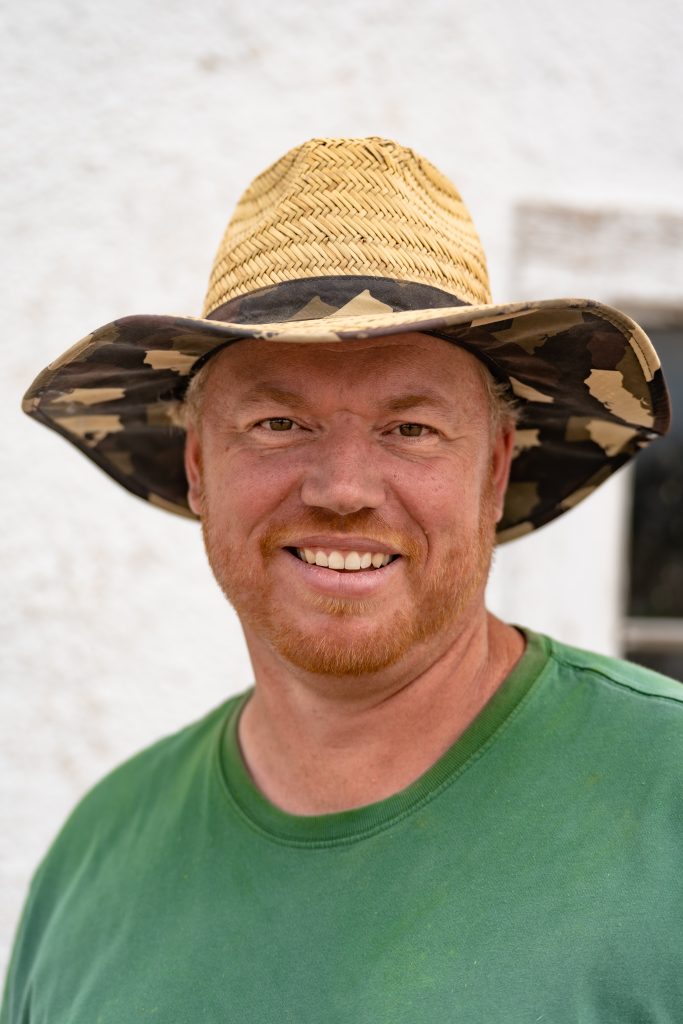
Pfaltzgraff said farmers and ranchers face difficulties all the time, but the true test is how they respond.
“A lot of the times, people get put in that position, and they flee,” he said. “The biggest thing they must learn is, you’ve got to move. They’re so concerned about making the wrong decision, so then they don’t make any decision.”
Pfaltzgraff focused on soil health and regenerative agriculture in his return to farming. He said the operation includes 2,000 acres of farmland and an additional 200 acres of pasture that is rented out to neighbors. He believes diversification is the best way to set up an operation for success. The farm raises 11 different crops, including both red and white grain sorghum, non-GMO corn, millet, oats, camelina, buckwheat, sunflowers, and sesame.
“The main reason for the diversity is for risk management and profitability,” Pfaltzgraff said. “We have about the same number of acres of each crop every year.”
If the market goes up for one crop he will have some to sell and he can offset a market downturn for a different crop. His overall income will not plunge with the prices because not all of his acres are tied to that crop. This strategy also lessens the workload when it comes to planting and harvesting because the operation manages crops with different timelines.
“We start seeding crops in the middle of March, and we’re done by the middle of June,” he said. “Then we start harvest in late June, early July, and then we’re harvesting through until October. It’s less stressful and intense in terms of manpower and we’re more efficient with what we’re doing.”
Pfaltzgraff Farms has also found ways to add value to their crops with specialty markets, such as converting the entire farm to gluten-free crops.
“Wheat just doesn’t have the profitability it used to, and by changing some of my harvesting methods with other crops, I can get the same residue or better than wheat, and maintain that gluten-free label,” Pfaltzgraff said.
The person who nominated Pfaltzgraff for the HPJ Live Test of Time Award had this to say about why he merits this award.
“This farm truly stands the test of time through their innovation in farming practices,” the nomination read. “Pfaltzgraff Farms is one example of how row crop farming can be more than what we’ve been told it can be. It can be regenerative. It can be profitable. It can feed local food systems. It can rebuild rural America.”
Pfaltzgraff said he was honored to receive the award, but humbly said there are plenty of other farmers who are just as deserving and have faced more adversity than he has.
“The biggest thing is to recognize the resiliency that is in agriculture,” Pfaltzgraff said. “If somebody is in agriculture, they’re already resilient. If you’re a farmer or rancher, you already have that strength. I think this award kind of recognizes that does exist, and that makes us unique as an industry.”
Lacey Vilhauer can be reached at 620-227-1871 or [email protected].
Related coverage and resources
- Related on HPJ: 2025 HPJ Live Awards
- Related on HPJ: First HPJ Live event held in Wichita
- Outside resource: K-State Research and Extension