
Nebraska ranchers deal with wildfires
About 800,000 acres—larger than the size of Rhode Island—has scorched Nebraska in mid-March and now the recovery phase has kicked in.
The Morrill fire alone was ranked as the fifth largest in the nation’s history.
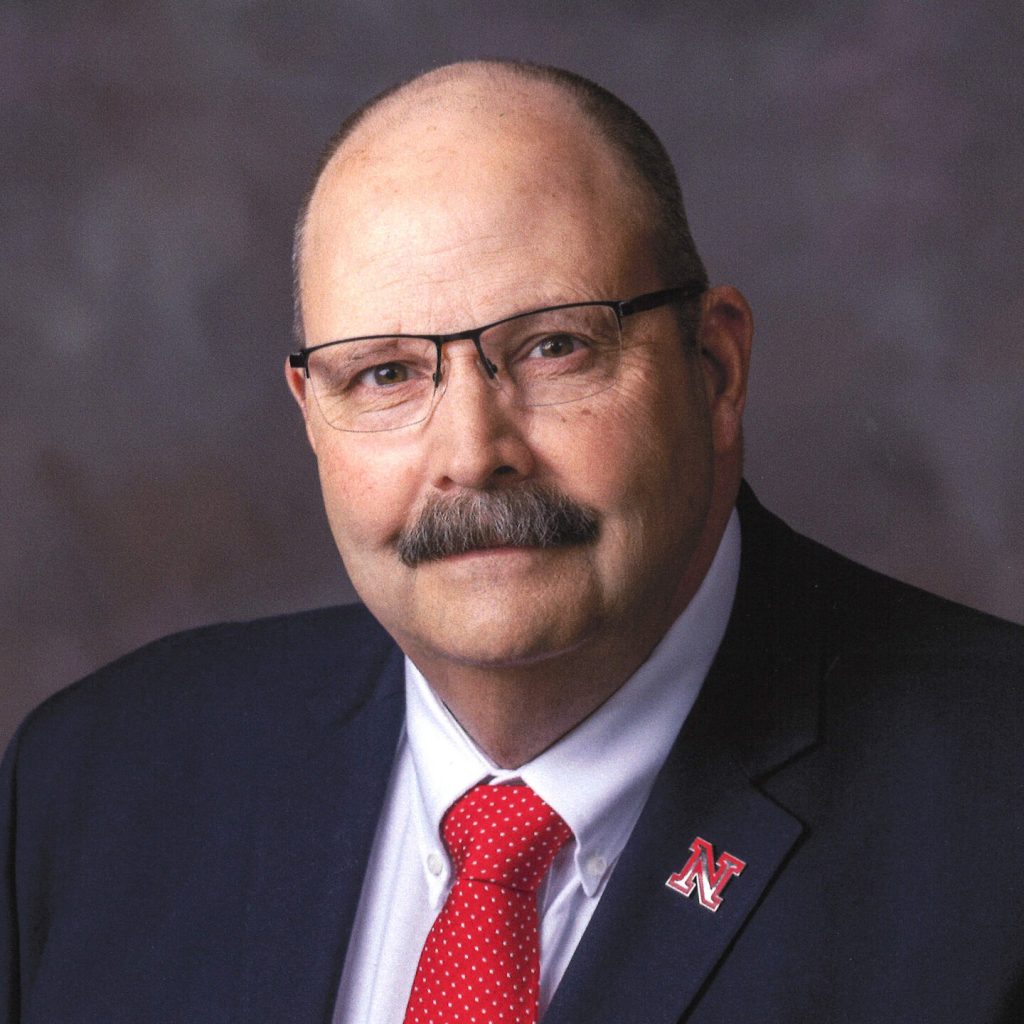
“We don’t want to be in the rankings for that,” said Nebraska Cattlemen President Craig Uden, a fourth-generation cattle producers from Johnson Lake and partner in Darr Feedlot Inc. “But those are the numbers we were dealt and so we’re dealing with it.”
As of the afternoon of March 19, the good news is much of the fire was extinguished, he said, but the recovery process is just beginning.
His organization has started Nebraska Cattlemen’s Disaster Relief Fund, and he encouraged people who want to help contribute and ranchers to use it as a valuable resource.
Rebuilding is a multi-phase process that begins with an immediate phase that includes care of the animals and documenting damage, then also beginning a long-range phase that includes rebuilding fences.
Reports indicate “that some 30,000 to 45,000 cows were displaced,” he said, adding that does not necessarily mean death loss as some could have moved to grow yards. Plus, if Conservation Reserve program lands are made available, that is an option as well as moving livestock to nearby states.
“The biggest trouble out there today is between 70 to 72% of all cattle in the United States are in a dry or drought designated area,” Uden said. “We still have a lot to get through here. It’s going to be 95 degrees with about 10 to 15% humidity, and winds again this weekend so we’re not out of fire danger.”
He thanked the work of rural firefighters and the response from other firefighters and fire professionals who in some cases traveled many miles plus federal resources that all worked together to get the wildfire under control
With that cooperation setting the tone it carries onto livestock producers, he said. Immediate needs are feed sources. On the resource page, Nebraska Cattlemen points to the needs and how to help so they can be efficiently delivered. Water tanks have also been damaged and those are immediate needs because many ranchers are in the midst of calving season. Additional resources from Nebraska Cattlemen and Nebraska Department of Agriculture are available at hpj.com.
“In the future they’ll need a lot of fences and dirt work and all kinds of things in the next six months to six years,” Uden said. “It will be a constant rebuild.”
With good rains in the spring, parts of the rangeland will recover quickly, and grazing can start when fences are back in place, but there are others in the sand hills that may take years to recover.
As ranchers turn their attention beyond the wildfires, he encouraged them to reach out for help, whether it is for mental, physical, emotional, or financial.
One silver lining is that the cattle market remains strong and likely the federal government will issue an emergency disaster proclamation for the region that will open up financial and other resources from the U.S. Department of Agriculture and Farm Service Agency. He encouraged ranchers to pursue all the resources they need to rebuild.
Consumers continue to want beef on their plates. He says Nebraska cattle producers remain resolute in their approach. In January producers also experienced the closing of Tyson’s beef processing plant in Lexington.
The NDA, on Jan. 1, 2025, said Nebraska was first in beef and veal exports at $2 billion, second in cattle and calves at 6.05 million head, second in cattle on feed at 2.7 million head, and fourth in beef cows at 1.55 million head.
“We’d like to grow the herds because we have consumer demand that continues to pull our producers through and encourages us to expand,” Uden said. “These setbacks are bad, but they are just setbacks.”
Optimism remains, he said, because there are long-term opportunities even in challenging times because it inspires the industry to develop new ideas and better management. Young men and women want to be a part of the industry. Producers have long learned to not take good times for granted because it encourages complacency.
“The one guarantee in this industry is change and that requires all of us to think and work outside of the box,” he said.
Uden said the Nebraska wildfires are the latest in fires in recent years that have hit prime ranchland in High Plains. With the fires a month ago in Texas, Oklahoma and Kansas more than 1 million of acres have burned as the impact of long-term drought has been felt in those states and others.
“My message is you have to rely on your neighbors. What’s made me successful is the many mentors that have encouraged me and the partnerships that have been formed with other industries including farming, feeding and cow-calf (sectors),” he said. “We’re all in an ag partnership. That’s one way to think outside the box. There’ s many different ways that you can take these challenges so try to figure how to create an opportunity.”
Dave Bergmeier can be reached at 620-227-1822 or [email protected].



