‘Sheet mulching’ is easy way to recycle boxes while fighting weeds and improving soil
Have extra cardboard boxes from online shopping? Don’t throw them away. You can reuse them in your garden or yard as a low-cost way to stop weeds and enrich your soil.
Using cardboard as a weed barrier — or sheet mulching — is a simple, effective method that suppresses weeds and gradually enriches soil, said Jayla Fry, Texas A&M AgriLife Extension Service specialist and assistant professor in the Texas A&M Department of Horticultural Sciences.
“This is a very straightforward technique,” Fry said. “It’s simple. Anybody can do it, and it works very, very well.”
How sheet mulching works
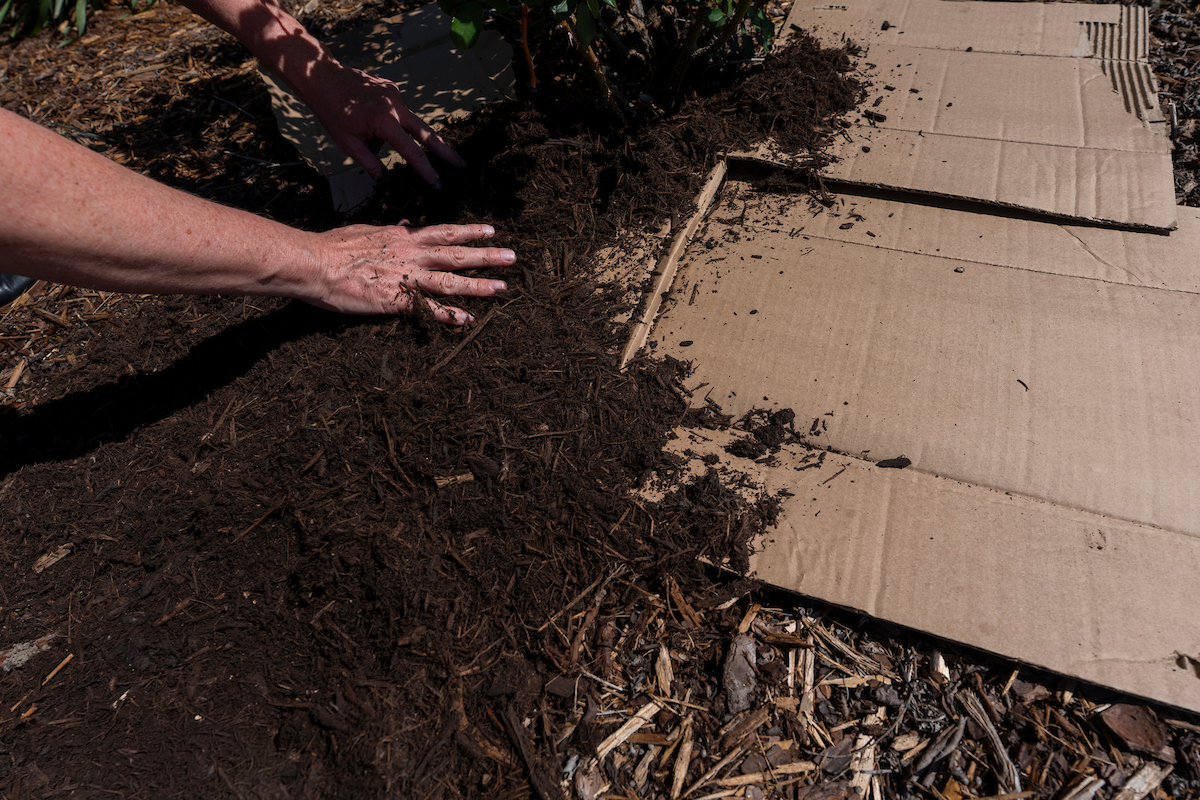
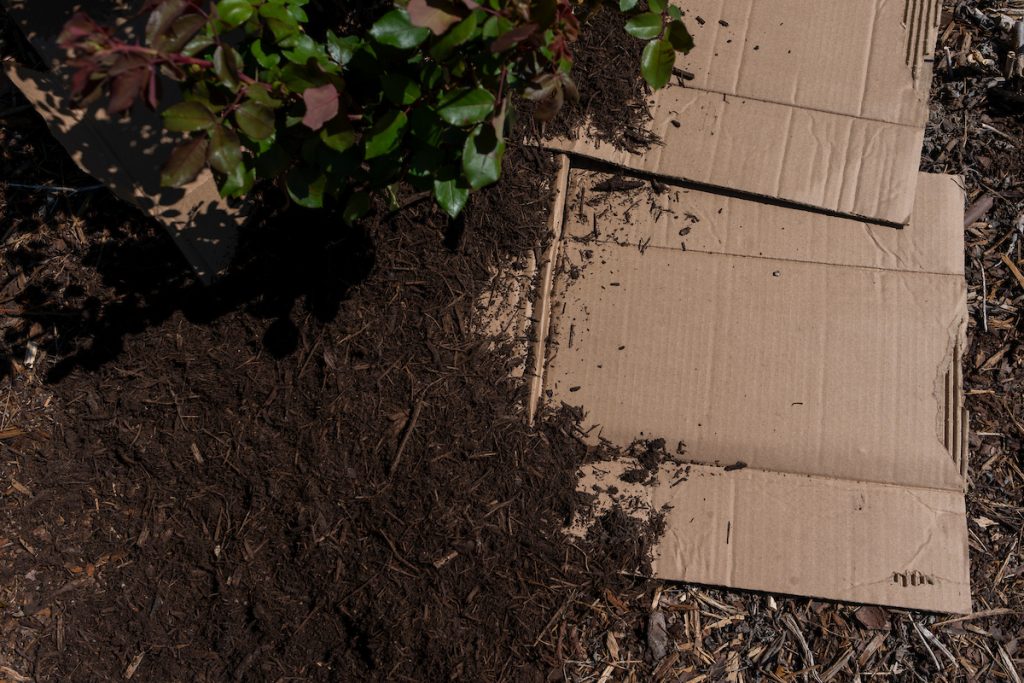
Sheet mulching, sometimes called lasagna gardening, involves laying flattened cardboard around plants to block sunlight from reaching the soil, then covering it with mulch.
Without sunlight, weed seeds are less likely to germinate and existing weeds weaken and die.
Fry recommends leaving cardboard in large, whole pieces for the best results.
“Every time you shred it or have holes in it, that’s a potential for light to get through,” she said. “If the light gets to the soil, weeds can pop up.”
Steps for sheet mulching
To sheet mulch:
- Lay flattened sheets of cardboard around plants and overlap the edges to block light.
- Thoroughly soak the cardboard with water, which helps the cardboard stay in place.
- Cover the cardboard with about 3 inches of mulch. The mulch helps hold moisture and improves the appearance.
Over time, both the cardboard and mulch will break down, contributing organic matter and small amounts of nutrients back into the soil.
Best types of cardboard for gardening
Not all cardboard is suitable for gardening.
Fry recommends using plain brown corrugated cardboard. Large shipping boxes, moving boxes and large appliance cartons, which can be cut into custom-sized sheets are ideal. Fry advises avoiding heavily colored or slick, printed boxes.
Before applying cardboard to your lawn or garden, remove plastic tape, labels and staples.
Watering tips when using cardboard mulch
Cardboard blocks light, but it can also slow water from reaching the soil.
If you use overhead watering, you may need to water longer to ensure moisture moves through both mulch and cardboard, Fry said. For best results, install drip irrigation beneath the cardboard so water reaches plant roots efficiently.
Where sheet gardening works best
Cardboard mulching works best around perennial plants that live for multiple growing seasons because the cardboard can remain undisturbed as it breaks down, Fry said.
Examples are:
- Trees
- Shrubs
- Long-lived ornamentals
When planting annual flowers or vegetables, you may need to creatively adjust how you place the cardboard around the plants, Fry said.
Gardners may leave a larger area for annuals to spread and will have to weed in between but this will still decrease the overall amount of weeding that will need to take place, she added.
“In most cases, you can get at least a season out of it, sometimes longer, depending on conditions,” Fry said. “Eventually it will break down, and you’ll need to reapply.”
Expert lawn and garden tips
Getting ready for spring gardening? Dig into our latest research-based gardening guidance from Texas A&M AgriLife experts.
TOP PHOTO: Texas A&M AgriLife Extension specialist Jayla Fry demonstrates laying cardboard for sheet mulching in a garden. (Michael Miller/Texas A&M AgriLife)