
$40 million approved for OSU agronomy farm improvements
On April 14, the Oklahoma House of Representatives overwhelmingly approved legislation that would provide $40 million for capital improvements at Oklahoma State University’s Agronomy Research Station in Stillwater, Oklahoma.
House Bill 4054 passed without debate on a 66 to 27 vote and then moved to the Oklahoma Senate, where it passed on a 44 to 0 vote on April 16. It was sent to the desk of Gov. Kevin Stitt on the same day and awaits his approval.
According to the bill language, the Oklahoma Capitol Improvement Authority is authorized to use up to $40 million from the Legacy Capital Financing Fund to support construction, renovation and expansion of facilities tied to agronomy research and education at OSU.
The funding would build upon prior financial commitments from agricultural groups, including Oklahoma Genetics Inc. and the Oklahoma Wheat Commission, which pledged a combined $6 million in support for improvements in 2024.
Critical need for updated facilities
OSU’s wheat breeding facilities are currently located along State Highway 51 in Stillwater—many dating the 1930s through the 1960s—and are widely considered outdated and insufficient for modern agricultural research.
“The work conducted at the Agronomy Research Station really matters, greatly affecting both producers and consumers throughout Oklahoma and beyond,” said Jayson Lusk, vice president and Dean of the Division of Agricultural Sciences and Natural Resources at OSU. “We are doing state-of-the-art research, but we are doing it in antiquated facilities.”
Lusk said the proposed Agronomy Discovery Center would provide the infrastructure necessary for OSU to remain competitive in global agricultural research.
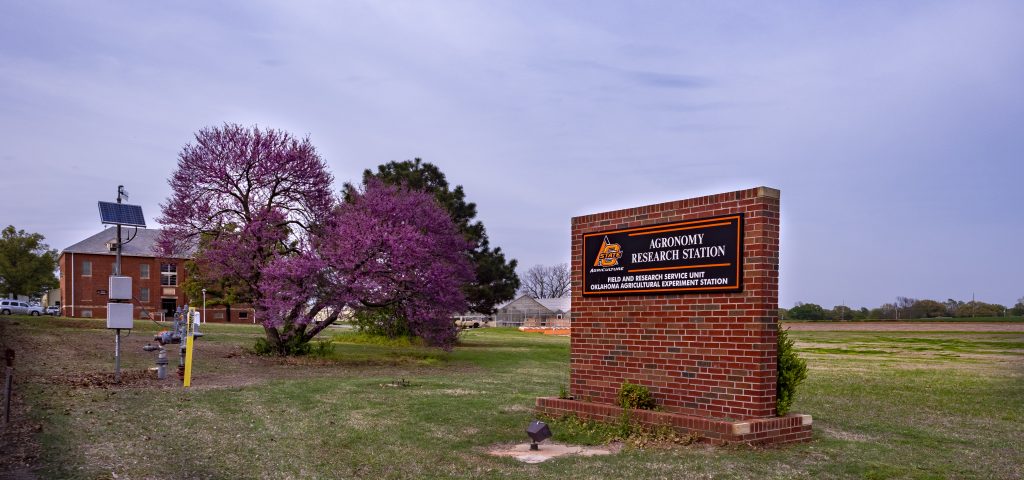
The OSU/A&M Board of Regents has already approved initial steps toward the project, including drafting construction plans for new facilities at the research station—home to one of the nation’s leading wheat improvement programs.
The first phase of the project, estimated at $10 million, includes selecting architectural and construction management firms and building new greenhouses and a headhouse.
A national leader in wheat research
The current agronomy farm, located on the west side of campus, plays a central role in OSU’s agricultural mission. The university has released 34 commercial wheat varieties since 2000 and maintains the largest wheat variety development footprint in the Great Plains.
“When we talk about our efforts at OSU to feed and nourish the world, it starts at the agronomy farm,” Lusk said. “Economically, wheat is the most important crop in Oklahoma, and the state’s harvest feeds people across the country and around the globe.”
The Agronomy Research Station supports OSU Agriculture’s three core missions—research, Extension and teaching. The facility includes 28 buildings totaling more than 134,000 square feet, used for classrooms, greenhouse trials and research support.
However, many of these buildings are decades old. Some teaching labs still in use date back to 1957, and other structures on-site were built as early as the 1930s. A 2018 master plan identified numerous projects needed to maintain and expand the station, noting that several structures require major repairs or are at the end of their usable life.
Aging infrastructure impacts research
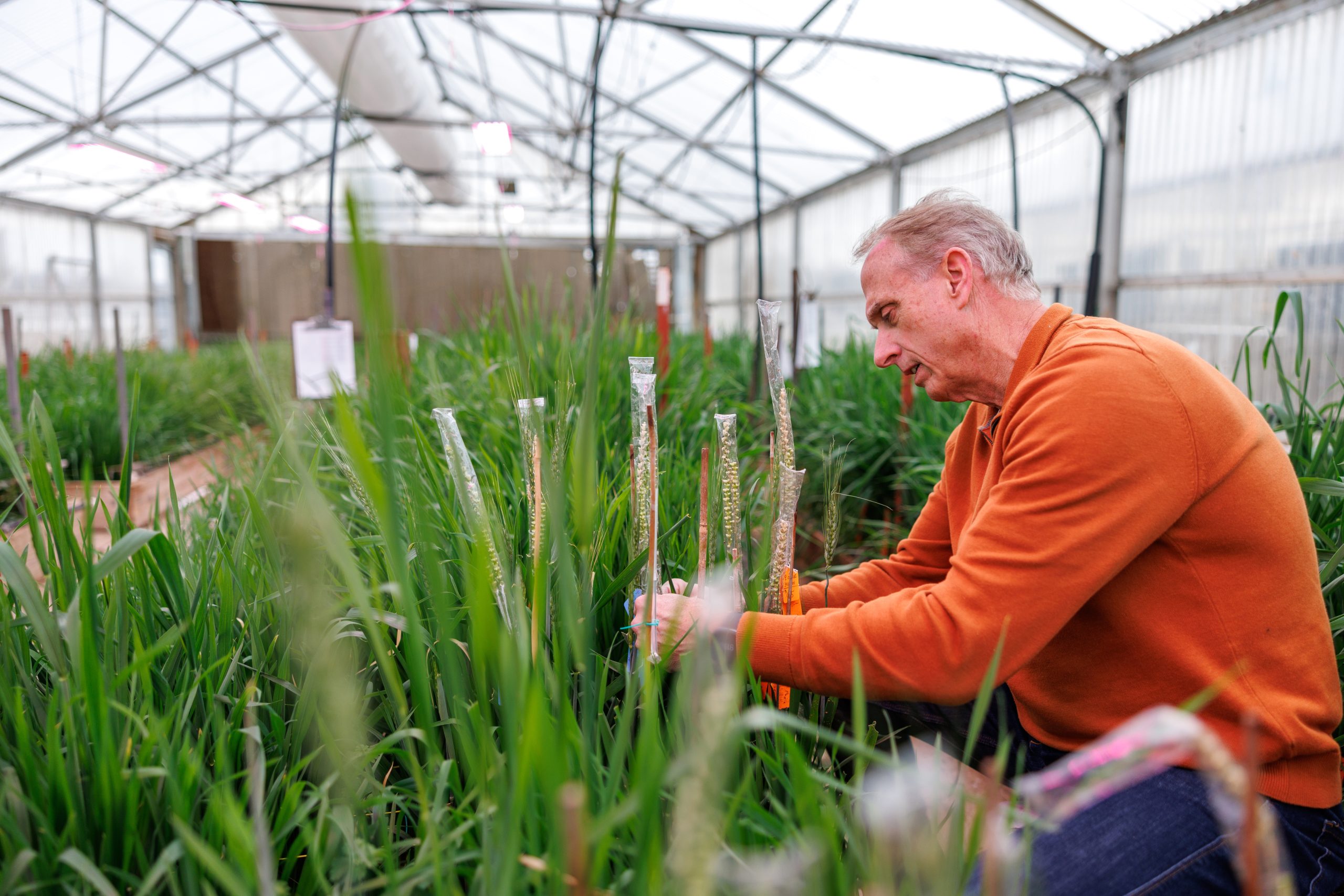
The consequences of outdated infrastructure became clear during a February 2021 deep freeze, when pipes burst in a greenhouse built in the 1960s. The failure led to the loss of approximately 70% of that year’s potential wheat breeding lines.
Brett Carver, OSU Regents professor and wheat genetics chair, said the damage delayed variety development for years, with some losses never fully recovered.
“If we had new facilities, we could stretch our season to nine months out of the year and respond more quickly to wheat breeding developments happening elsewhere in the world,” Carver said.
Despite the challenges, Lusk expressed optimism about the project’s momentum.
“We look forward to seeing improvements in motion at the Agronomy Research Station and how those upgrades will translate to our land-grant mission areas—and ultimately, the agricultural industry,” he said.
If signed into law, the funding marks a significant step toward modernizing one of Oklahoma’s most important agricultural research assets and ensuring its continued role in advancing wheat production and innovation for years to come.
Lacey Vilhauer can be reached at 620-227-1871 or [email protected].
PHOTO: Brett Carver observes wheat varieties at one of the greenhouses at the OSU. (Photo by Mitchell Alcala/OSU Agriculture)



