Rishel’s beef message remains a staple
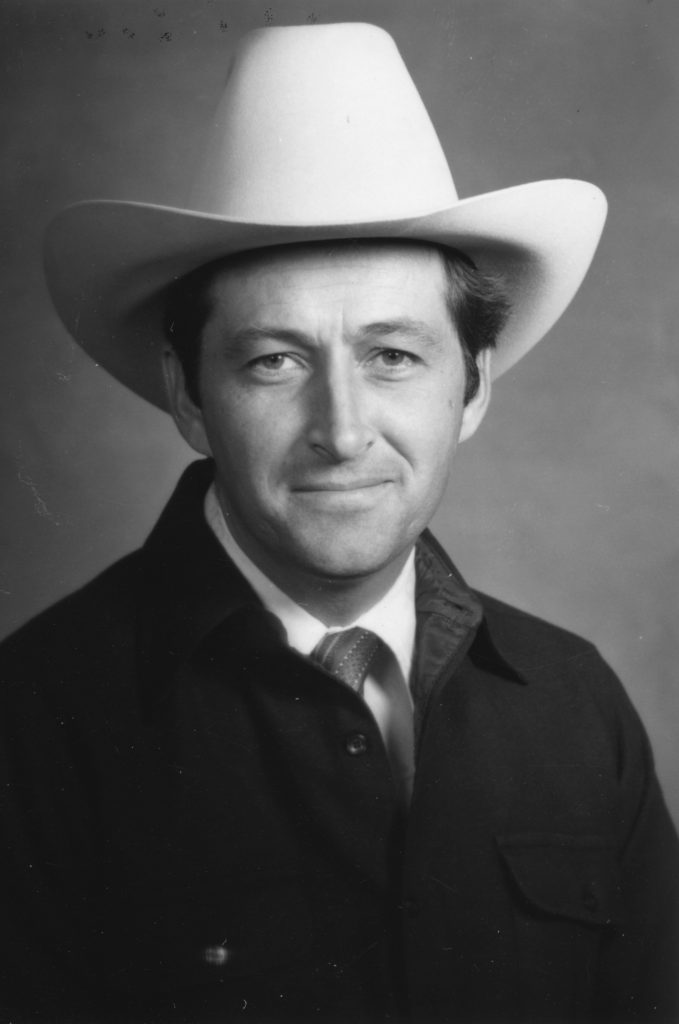
Nebraska cattleman Bill Rishel has received many accolades in his life, but he remains grounded.
Rishel, is in rarified company whose legacy is cemented as his photo is prominently displayed at the Saddle and Sirloin Portrait Gallery in the North American Livestock Exposition in Louisville, Kentucky.
“It was the highlight of my career; it’s such a rare moment to be included with that historical group of individuals,” Rishel said.
Many of those beef influencers were ones he looked up to, and he was thankful that he had colleagues, who became close friends, in attendance to help induct him. “It was quite an achievement. I don’t know how to say it any better.”
Rishel does not rest on his laurels; he has a passion for telling the story of the livestock industry and encouraging ranchers to be lifelong learners.
His perspective is drawn from his own lifetime experiences. He knows that if the industry listens to its customers, it will be rewarded.
The Purdy influence
Rishel grew up on a family farm in York, Pennsylvania. As a college student, he was mentored by Pennsylvania State University’s Herman Purdy, who would be on the Mount Rushmore of livestock judges.
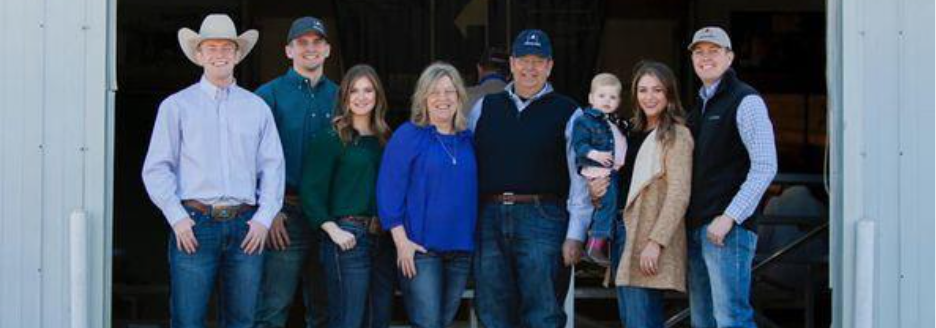
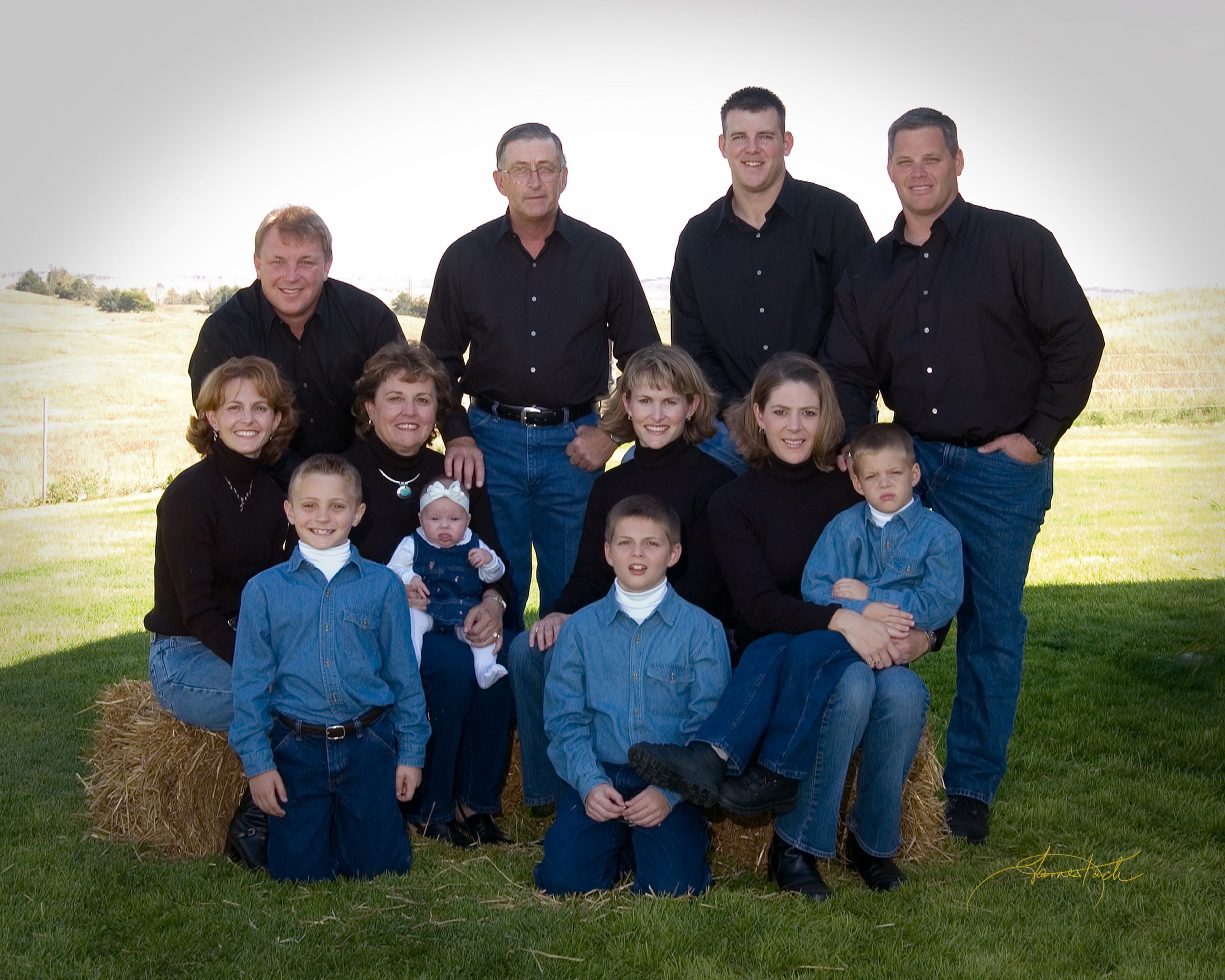
Purdy provided Rishel with tutelage that helped frame his own insight that he was glad to share with Trey and Dayna Wasserburger and their four children that operate TD Angus at North Platte, Nebraska. The Wasserburgers purchased the Angus ranch from Bill and Barb Rishel in 2017.
The Purdy influence he illustrated when Bill told the story of he and Troy having a conversation in a barn . Troy told Rishel he could always do well in sorting his own cattle in preparing for a sale, but he said it was difficult when commercial cattle were needing to be sorted to get top value.
“It’s just so difficult to tell them apart, how do you sort them?” Trey asked Rishel.
“Well, I can tell you what my old judging team coach, Herman Purdy, told me and the team when we were in school,” Rishel related to Trey. “‘That if you get a class of livestock—and it doesn’t matter what species—whether it’s a top pair, a middle pair or a bottom pair, and you’re just having a dickens of a time trying to figure out which way you want that pair of cattle to be placed.’
“He (Purdy) said, ‘Just take some time and back away from the cattle. Take a look at the bigger picture and just compare those two individuals and just pick the most of the best.’ Well, that’s Trey’s done with that ever since.”
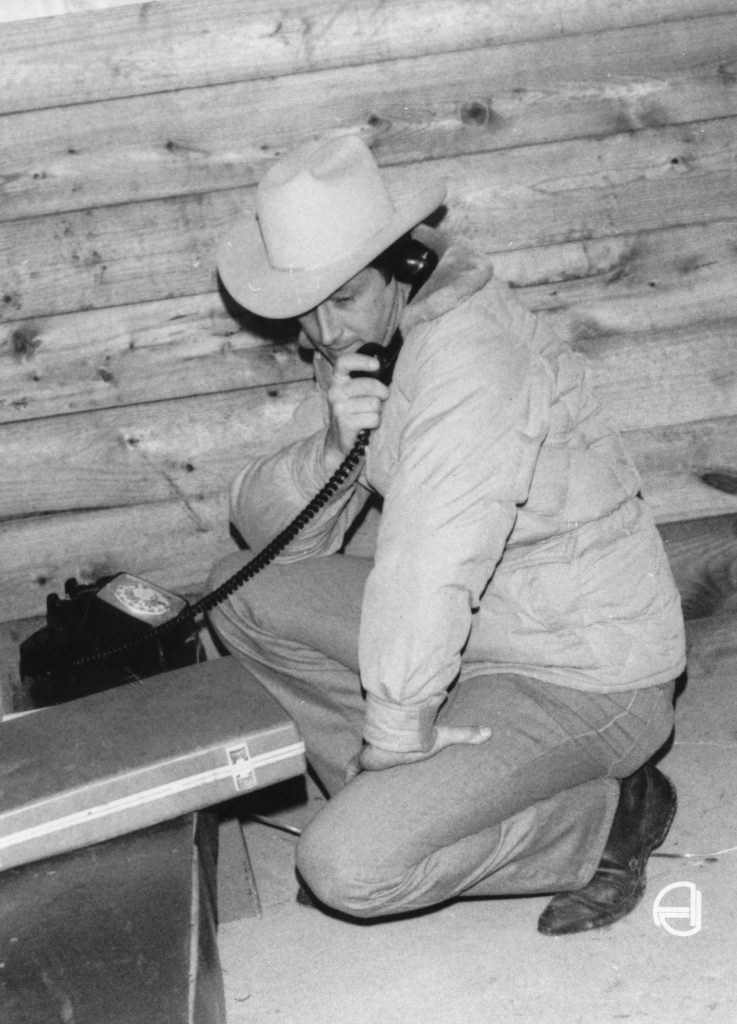
Rishel said that lesson, learned at an early age in his own career, remains treasured advice.
Purdy also encouraged his young students to be life-long learners and while Rishel was at Penn State, where he received his bachelor’s and master’s degrees in animal husbandry, another influencer was his meat science teacher and meats judging coach Glen R. Kean.
Kean provided a perspective on what consumer wants and how to achieve it in an efficient manner. Rishel remembers finding one of King’s notes that he began telling others about in the late 1980s and early 1990s when he was active in Certified Angus Beef and National Cattlemen’s Beef Association.
Kean’s note was about how to increase the ribeye area—a long-sought goal by producers.
“What he (Kean) shared with us was that the thickness through the floor of the chest is a far greater indication of the amount of ribeye in these cattle then the thickness through the center of their butt and around their quarters,” Rishel said. “That’s how you told the heavy muscle from the ones that were not.”
Rishel used that thinking and worked with feedyard operators to get a more scientific analysis, which meant capturing many details from the young animals until they were harvested. He used the information from the American Angus Association to help rank sires for carcass merit.
“Lo and behold, I’d write down the number of those steers in the lot with the big ole chests and then I checked all the records after they came back from the packing plant,” Rishel said. “Sure enough— like clockwork—I could get them just as right as could be and very seldom, if ever, did I get one wrong, as to the size of the ribeye. The ones that were thicker through the floor in their chest was the greatest indicator.”
Importance of listening
The longer he worked in the industry, he learned that other meat scientists, including Glen Dolezal, a long-time executive with Cargill, were all about helping ranchers, he said. The success of the cattle industry depends on all segments doing well and ultimately it answers to the wants and needs of consumers who continue to want high quality beef on their plates.
Rishel said cattle producers face many challenges, and one of those occurred about 40 years ago when beef demand started to bottom out. He remembers being at NCBA and CattleFax meetings where graphs illustrated the dilemma.
Rather than taking a doom-and-gloom outlook, Rishel and many other cattle producers knew beef had value. It required a different mindset, and success did not happen overnight. It came at a time when the industry was producing less than 50% Choice. Today more than 85% of beef is considered Choice or Prime.
He credited CAB, which was launched in 1978 as one of the turning points because it, along with information from the Beef Checkoff, provided ranchers with insight to show that consumers were willing to pay for high quality beef.
The ability to use expected progeny differences and selection of highly heritable traits made it more possible to apply it in a practical manner for ranchers, Rishel said.
“I’ve always been a fan of data and records,” he said, “I’ve always worked under the premise you can’t fix anything if you don’t measure. That becomes a powerful tool when you use it.”
Helping other operators
During his time on the CAB board, which he also served as chairman in 1995, Rishel spent many hours helping educate beef producers about the benefits.
In his operation he employed four programs that could help purebred and commercial producers who may have had different programs themselves. He also believed it was important for producers to work closely with feedlots and processors.
He also learned about the importance of how each animal plays in the operation’s success. He learned how bull calves and heifer calves both had a role in meeting consumer demand.
“Very early on I related to marbling as a trait and I would it call more of a maternal trait than a masculine trait, even though we can improve it with sires that are high marbling sires, but sometimes those marbling and ribeye were antagonistic as all get out, and it was hard to find both traits at a fairly high level in both species,” he said. “That’s why I figured that marbling was more maternal and ribeye and muscling was more masculine, because that’s kind of what I saw in the cattle.”
Animal care
Rishel quipped that back when he received his degrees, they were designated as animal husbandry, which he says was a better description because for how much animal care is job No. 1 and it relates positively with consumers.
Over his many years, he knows that there are no better stewards of animal care than farmers and ranchers, and he also noted that for many years through Beef Checkoff and NCBA research that consumers saw animal care as their top priority.
Today Rishel remains an ambassador of the industry to help young men and women. He is often asked to speak to students, including in his home state at the University of Nebraska-Lincoln. He credits his wife, Barb, and his own family for their support.
“The first thing that I’d have to tell you is to answer the question what is it you really want to do in life?” Bill said. “The bottom line is that this business—the beef cattle business— it doesn’t matter which segment you’re in, but you better have a passion for it.”
He also reminds that a perceived barrier to enter the industry may only be a temporary challenge. He remembers the bleak times and how high interest rates during the farm crisis of the 1980s left an imprint on him. He and Barb had established Rishel Angus in 1975 in North Platte.
Rishel believes youth have much more information to work with than he and his wife had when they got started.
“They have more information available at their fingertips today,” he said. “You have all this information and it’s about how you use it.”
The information can help them to measure economic signals and production techniques. His advice is that while prices are at incredible highs right now, it never changes the focus to stay on top of all details.
Even if he or she has acquired a good set of bred cattle, without tracking results, profits can quickly slip away, Rishel said. He also encouraged them to look for mentors who can guide them.
He also notes that paradigm shifts regularly occur in the industry. The development of boxed beef using Cryovac, a vacuum sealing process that provids air-tight storage and allows beef to safely travel many miles to markets around the world to enjoy high quality beef. The use of EPDs was a game changer for producers, too.
One of the most encouraging signs recently was when the Trump administration released a food pyramid that touted the importance of meat and protein in people’s diet. He said it was music to his ears and validated the work of CAB, the NCBA and many others who never gave up.
In the beef business, he said, it is a reminder that when cattlemen listen to consumers, they will be rewarded.
Dave Bergmeier can be reached at 620-227-1822 or [email protected].