
Plan and act early for wheat seed
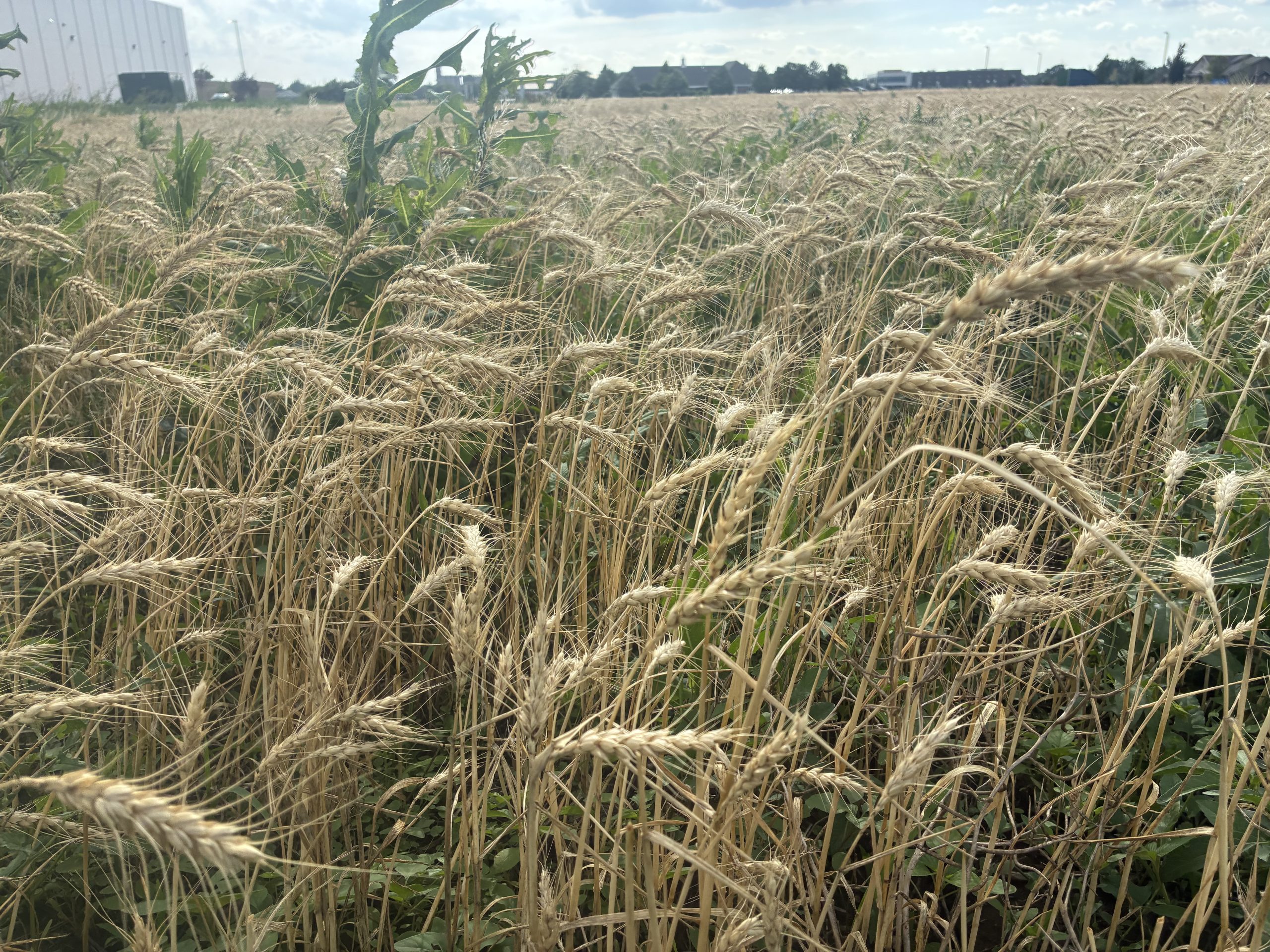
Western Kansas wheat farmer Vance Ehmke said a poor crop not only affects growers but also seed dealers and distributors.
Ehmke, who also owns Ehmke Seed in Healy, Kansas, feels their pain, and he encourages growers to start early as they plan to sow wheat this fall. Seed supplies will be tight in Kansas, Oklahoma, Texas, Colorado and Nebraska, he said.
“A very poor crop and then lots of hail,” Ehmke said. “Texas and Oklahoma seed dealers have been up here in Kansas looking for carryover seed from last year for several months. Many Kansas farmers have also been calling their dealers for several months asking to just get them on the list.”
Ehmke related a story from Kansas State University wheat breeder Allan Fritz, who told him it may not be a question of getting the variety a producer wants, but just getting any wheat at all.
Don’t mess around
Ehmke said time is of the essence.
“Hotter, newer releases will be extremely tight, like CSU’s Gabriel and KSU’s Tradition,” Ehmke said. “For many farmers, they’ll have to wait on those for next year. And prices will be higher for everything because of tight supplies, and the wheat market this year is higher than it was last year.”
Josh Bushong, Oklahoma State University northwest area Extension agronomist based in Enid, said June 18 producers should act swiftly if they need to purchase seed wheat.
“Currently there are options, but supplies are quickly getting reduced. Certified seed wheat has many benefits along with getting new superior genetics on your farm,” Bushong said. “Understanding what is limiting forage and grain yields on your farm will help determine what varieties might be the best fit in your system.”
Growers should also seek assistance from land-grant and private agronomists to review harvest data and variety characteristic technical sheets, he said.
Bushong said there will be limited availability of favorite varieties, depending on the seed wheat producer and region, based on reports he has been receiving.
“There seem to be more shortages as we look farther west, especially in the southwest part of the state,” Bushong said. “If a farmer is looking for a particular variety, he might have to do a little more shopping around to source it. Just because one source doesn’t have it doesn’t mean no one has it.”
So far, prices seem to be on par with or slightly higher than previous years, and quality hasn’t been too much of a concern in his region, he said. Slight price increases have been attributed to a higher market price for wheat.
Traits to look for
The index of all performance traits dealing with how well adapted a variety is boils down to one thing: how well it yields, Ehmke said. Top yielders are generally the most drought-hardy or winter-hardy or have the best resistance to diseases.
“So, I want varieties that are in the top yield group,” Ehmke said. “Then if you were to look at one specific attribute, it would be resistance to the mosaic viruses. This year, for instance, we lost way more yield to these diseases than to freezing temperatures.”
Unfortunately, growers are now seeing much more triticum mosaic virus along with wheat streak mosaic in Kansas, Ehmke said.
“What that means is that even though your variety might have great resistance to WSMV, that’s not going to do you any good when it comes to TriMV,” he said. “So, we now have a very serious problem on our hands. Outside of that, I’m always interested in heat and drought tolerance.”In the Southern Plains growers also have additional challenges, Bushong said.
“There are some isolated issues of common bunt (aka stinky smut) and loose smut, but likely more so for farmer-saved seed that wasn’t planted with a seed treatment last fall,” Bushong said.
There have also been a couple of reports of seed wheat growers starting to have sprout issues in the north-central part of the state as rains have delayed harvest, he said.
To plan for the ’27 crop, wheat farmers need to make quick decisions and selections that prioritize the characteristics that are going to benefit their farm the most, Bushong said.
“I can easily make the point that the No. 1 pest in wheat in the southern Great Plains is weeds. To manage weeds, farmers are strategically using both herbicide-tolerant systems (Clearfield and CoAxium).”
In addition to weeds, disease and insect tolerance are also top priorities, he said. Wheat streak mosaic virus once again was very detrimental to some farmers, especially in the farther western regions. Other diseases of concern include stripe rust, leaf rust, and many of the leaf spot diseases, including Septoria and Stagonospora.
“Two varieties that caught my eye during the field tours of the variety plots were Breakthrough by OGI and KS Tradition by Kansas Wheat Alliance,” Bushong said. “The plots in the Oklahoma Panhandle were a great example to demonstrate varietal differences from WSMV compounded by drought.”
Regarding root- and foot-rot diseases, there are no genetics with tolerance available, Bushong said. If these diseases were a challenge, there are some management practices to keep in mind this fall.
Sowing later often helps, and seed treatments with a fungicide can reduce severity as well. These diseases are usually worse in hot, dry growing conditions, Bushong said. No-till production practices can help reduce soil temperatures and conserve soil moisture.
Both fungicide and insecticide seed treatments are becoming more common in the region, he said. Two systems driving this practice include wheat pasture fields sown early and seed wheat production fields.
Tips for growers
There are many wheat varieties commercially available from multiple public and private breeding programs, Bushong said. Oklahoma Genetics Inc. alone has several hard red winter wheat varieties bred at Oklahoma State University on the market right now.
In a review of U.S. Department of Agriculture National Agricultural Statistics Service data for the 2026 crop, the top 10 sown varieties in Oklahoma were all from OGI, with Doublestop CL+ being the primary variety.
“Locally bred and developed genetics to fit the agronomics and environment of the region will always be a priority,” Bushong said. “Traits that directly impact the southern Great Plains wheat farmer will either bring higher yield potential with advanced genetics or protect yield potential from pests and environmental stresses. Drought and heat stress tolerance once again proved critical for many this year.”
Indirectly, seed quality is something breeders ensure meets or exceeds standards to provide a marketable crop for the region, he said.
Bushong said sticking with growing fundamentals is a must—in good and bad growing conditions.
“No pesticide or fertilizer will make up for poor agronomic decisions,” he said. “The best management practices must be followed to take care of the fundamentals to build and protect. Sometimes something as simple as proper application timing will outweigh the cost of the product or product selection. Nothing beats boots in the field.”
Using your own seed
For farmer-saved seed, producers should take note of seed quality and field conditions in the seed wheat fields that were harvested, Bushong said, adding they need to watch closely for any smuts, bunts, dryland root rots and weeds. Hiring a commercial seed cleaner can be beneficial to improve seed wheat.
Farmers should conduct seed germination tests or use a commercial lab as planting season approaches, especially if certain herbicide harvest aids were used.
Next year’s crop will likely face higher input costs, too.
“The best time to have bought fertilizer was a long time ago,” Ehmke said. “Looking forward, if the Iran war is truly over, best guesses are it will take some time for fuel and fertilizer prices to drop back to pre-war prices.”
Dave Bergmeier can be reached at 620-227-1822 or [email protected].



