Fourth of July has additional meaning in 2026
America 250 is a reminder of how far we have come and a reason to celebrate.
Our Founding Fathers had the courage to write the Declaration of Independence, which was designed to get under the skin of King George. It did, but it also served as the foundation for the Constitution, which was adopted in 1787.
According to History.com, the Fourth of July—also known as Independence Day or July 4—celebrates the birth of American independence from the British Empire. On July 2, 1776, the Continental Congress voted in favor of independence, and two days later delegates from the 13 colonies adopted the Declaration of Independence.
Designated a federal holiday across the United States in 1938, Independence Day celebrations have existed since the 18th century and even the American Revolution. Festivities range from fireworks, parades and concerts to more casual family gatherings and barbecues.
Working for my dad, I remember he was helping Kansas farmers with the wheat harvest. Later, in high school and college, I remember doing the same. July 4 was almost always hot, but it usually provided an opportunity for a fun evening of watching fireworks and eating a good dinner.
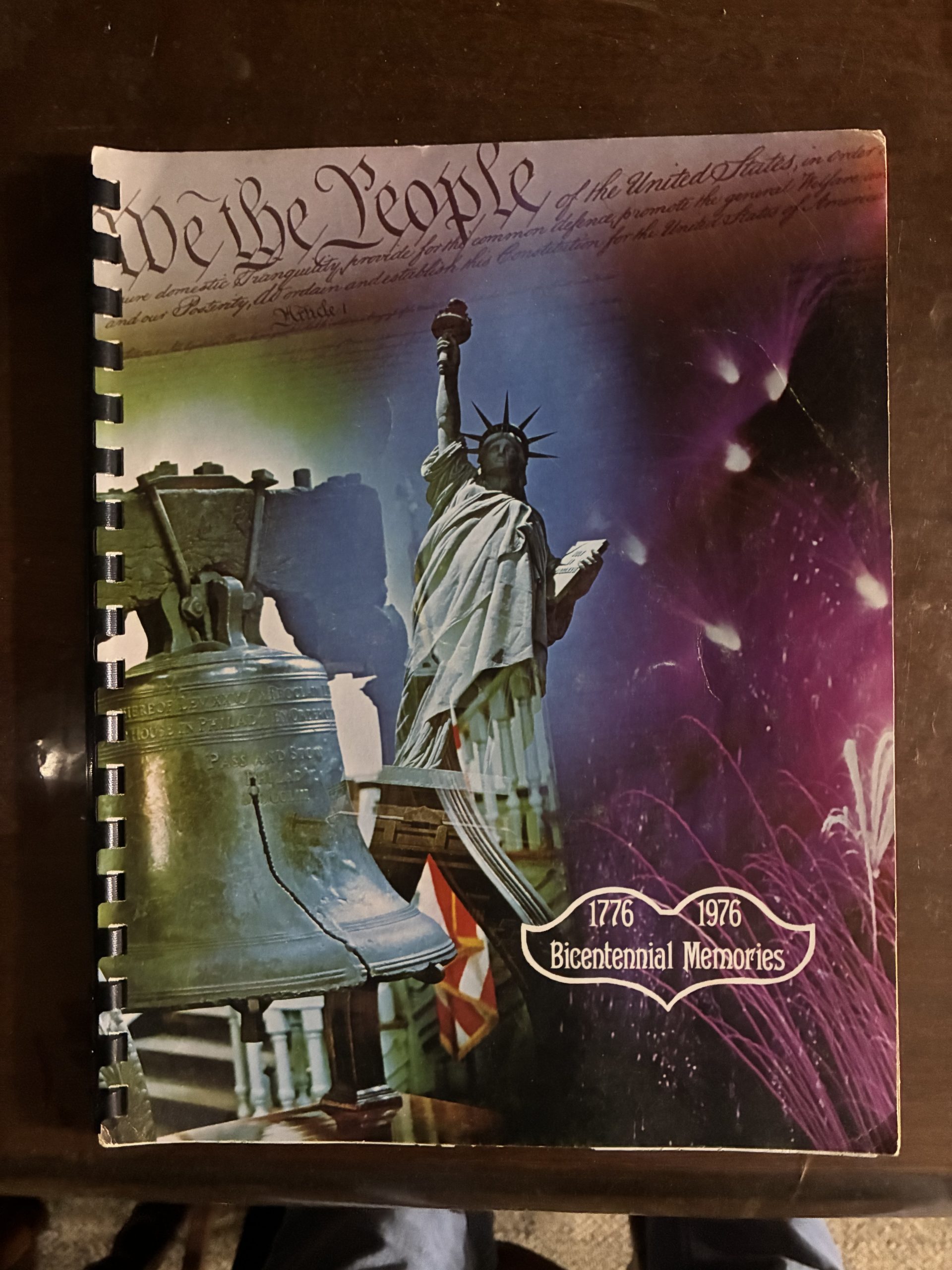
I’m old enough to remember our nation’s bicentennial celebration on July 4, 1976. What a year that was to remember. At Hoxie Junior High School, we put on a play. A classmate recalled it had a theme of “revolutionary ideas” under the direction of Mr. Sutton.
The bicentennial was a way to reconnect with our Founding Fathers, their vision and their imperfections that helped mold our country. For residents of the High Plains, we did not join the story until the Louisiana Purchase in 1803.
In 1976, our country was facing challenges. The Soviet Union controlled Eastern Europe with an iron hand, and we were emerging from Watergate in 1974 and the end of the Vietnam War in 1975.
We also had our share of excitement. We continued to be enamored with the space program following the conclusion of the Apollo-Soyuz Test Project in July 1975. The United States teamed up with the Soviet Union to end the space race. As I entered the eighth grade, it inspired my classmates to learn more about space and science.
As part of our experience, we also participated in a time capsule project by placing items that I’m sure stood the test of time, along with a few pieces of popular culture from the 1975-1976 school year.
As I remember it, the time capsule was placed near the front entrance of the grade school and middle school. It was put in place before the end of the school year. We were one of many schools that participated in a time capsule project, our teachers told us. Many had an opening date, likely 2026, when someone would dig them up and see what artifacts were important to us back then.
It is hard to know what those who open time capsules will think of the “1976 kids.”
It was an experience we shared with classmates across the country and, upon reflection, it reinforced why we were so thankful to be growing up in America.
Today’s youth have creative tools to make a time capsule, and I hope they will share the joy of growing up in the United States for the many years to come before we celebrate the nation’s 300th birthday.
Happy birthday, America. We’re all in this together, and I’m glad to be a part of the ride.
Dave Bergmeier can be reached at 620-227-1822 or [email protected].