U.S. House advances ag bill; next stop the Senate
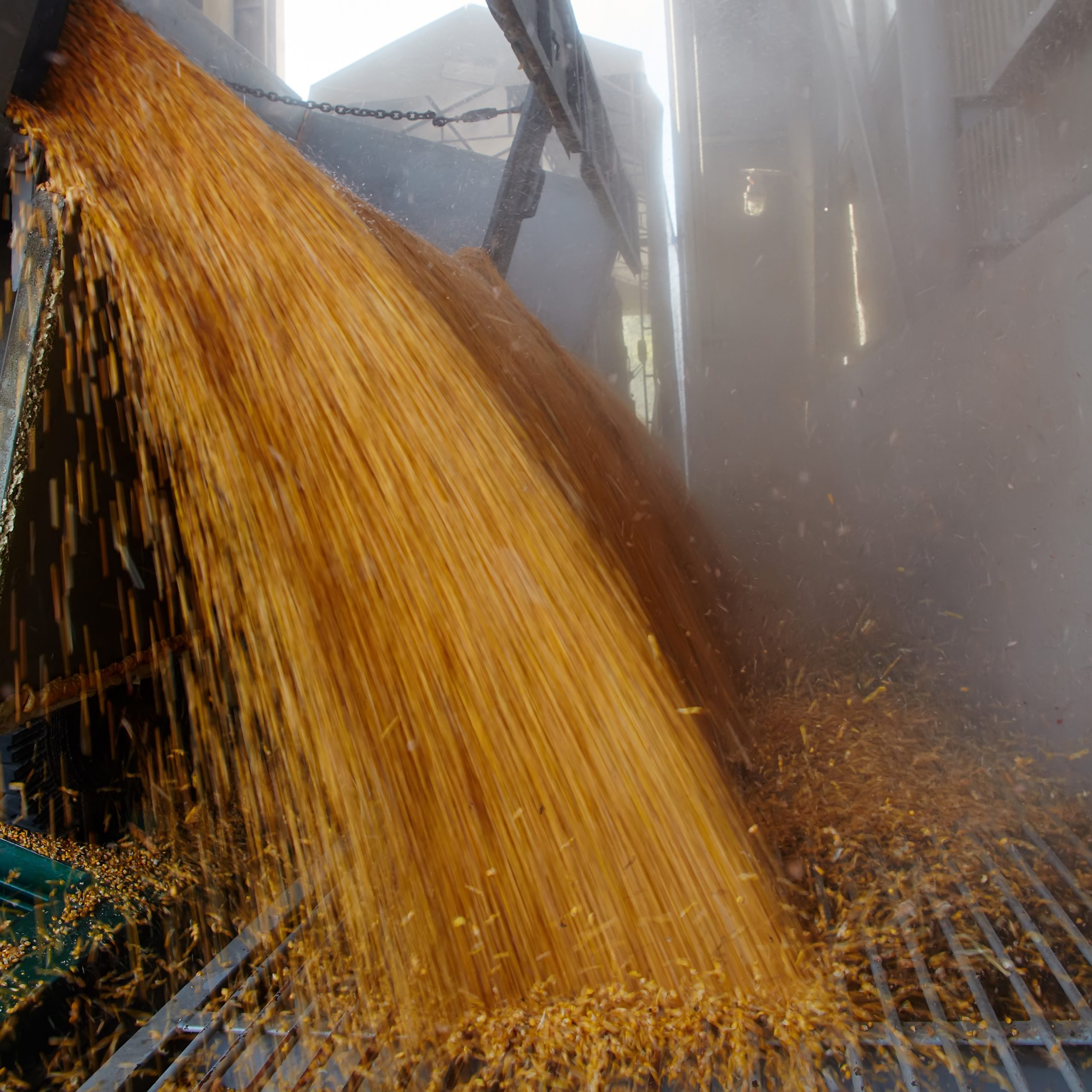
Congress on April 30 passed a farm bill, but much heavy lifting remains.
The Farm, Food, and National Security Act of 2026 passed on a 224 to 200 bipartisan vote, and while that news was appreciated, the process is far from over.
Brad Lubben, an Extension associate professor, policy specialist and director at the North Central Extension Risk Management Education Center at the University of Nebraska-Lincoln, said farm policy analysts have been in a holding pattern for three years. The farm bill expired in 2023, and Congress has relied on one-year extensions.
“I think it’s fair to say we’ve gotten to a point that we really didn’t know what to expect,” he said.
The One Big Beautiful Bill Act, approved by Congress and signed by President Donald Trump in July 2025, put some certainty into funding questions—most notably crop insurance for farmers, although those benefits won’t be available until fall.
House Agriculture Committee Chairman Glenn “GT” Thompson, R-PA, deserves credit for getting a bipartisan bill approved, Lubben said. Earlier this spring, the committee recommended approval, also on a bipartisan basis. He said Senate Agriculture Committee Chairman John Boozman, R-AR, and others would like to see the Senate take it up later this month.
One source of good news was that the “skinny farm bill” was scored to meet budget expectations.
Boozman will have a tight timeline, Lubben said, as election campaigns are starting to unfold. Ranking Member Sen. Amy Klobuchar, D-MN, plans to run for governor in her state.
“I think the important thing for farmers and ranchers and rural communities in general is that if this skinny bill gets to the finish line, it actually provides stability for farmers and ranchers and rural policy that wasn’t addressed in the OBBBA,” he said.
“The biggest benefit for ag and rural audiences is this bill would help secure and stabilize the broad portfolio of programs that support rural development, research, specialty crops and other categories.”
Biofuels will continue to be something to monitor, Lubben said. The House agreed to have a separate debate on it this spring. He said ag and oil interests continue to look for compromise, as blending policies and waivers remain elusive.
Pesticide labeling also was kept out of the farm bill, which would have limited lawsuits against pesticide companies. That was seen as a victory for the Make America Healthy Again movement that includes Democrats and some Republicans, Lubben said.
Whether the Senate takes up that provision remains unknown, and it is part of a delicate process. The House kept a provision to overturn California Proposition 12, which was designed to stop state-level production standards.
All three matters will be watched, he said.
“The Senate has to have a 60-vote threshold to get it out of filibuster,” he said. “They (senators) need more consensus on the Senate side than they got on the House side. Whether any of these controversial policy items can make it to the end is a good question.”
Dave Bergmeier can be reached at 620-227-1822 or [email protected].