Walk into just about any operation this time of year and you’ll see it happening.

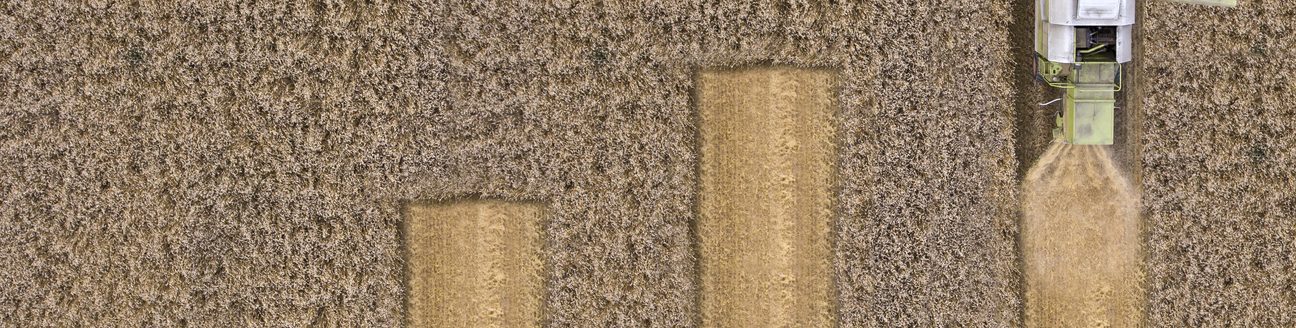
A few different hybrids planted side by side to see what holds up. Trial plots comparing seed varieties or fertility programs across a few acres. Adjustments to livestock rations to improve gains or feed efficiency. Changes to irrigation timing or moisture management to conserve water and improve performance under tough conditions.
You’ll also see producers testing new approaches to pest or disease control, trying out biologicals, experimenting with precision ag tools like drone imaging or variable-rate planting, or making equipment and process adjustments to squeeze a little more efficiency out of the same acres.
Most producers wouldn’t call any of this research and development. It’s just part of running the operation.
But that kind of testing, refining and problem-solving is exactly what the research and development tax credit was designed for.
In agriculture, innovation doesn’t happen in a lab. It happens in the field, the shop and at the breakfast table.
R&D looks a lot like everyday farm decisions
When people hear “R&D,” they tend to think of white coats, controlled environments and tech companies.
In reality, the definition is much broader.
If you’re trying to improve results—whether that’s yield, animal health, efficiency or cost—and you’re working through some level of testing or trial and error, that activity may qualify.
It doesn’t have to be formal. It doesn’t have to succeed. And it doesn’t have to look like lab research. It just has to involve problem-solving, and that’s something farmers and ranchers have always been good at doing.
Why many ag operations miss it
Even when the activity qualifies, many operations never consider the credit. There are a few common reasons.
As mentioned previously, most producers don’t label what they’re doing as R&D. It’s simply part of the job—making decisions, trying something new and seeing how it performs.
Second, the testing often feels informal. Adjusting seed varieties, ration formulations or processes doesn’t look like structured experimentation, even though it often meets the criteria.
Historically, the R&D credit hasn’t been a major focus in agricultural tax planning. Most conversations tend to center around depreciation, land, equipment and input costs.
As a result, many producers may qualify without ever realizing it.
Who typically qualifies
This isn’t limited to one segment of agriculture. This credit shows up across a range of operations.
Crop producers may qualify when they’re running variety trials, evaluating fertility programs, testing biologicals or adjusting precision practices.
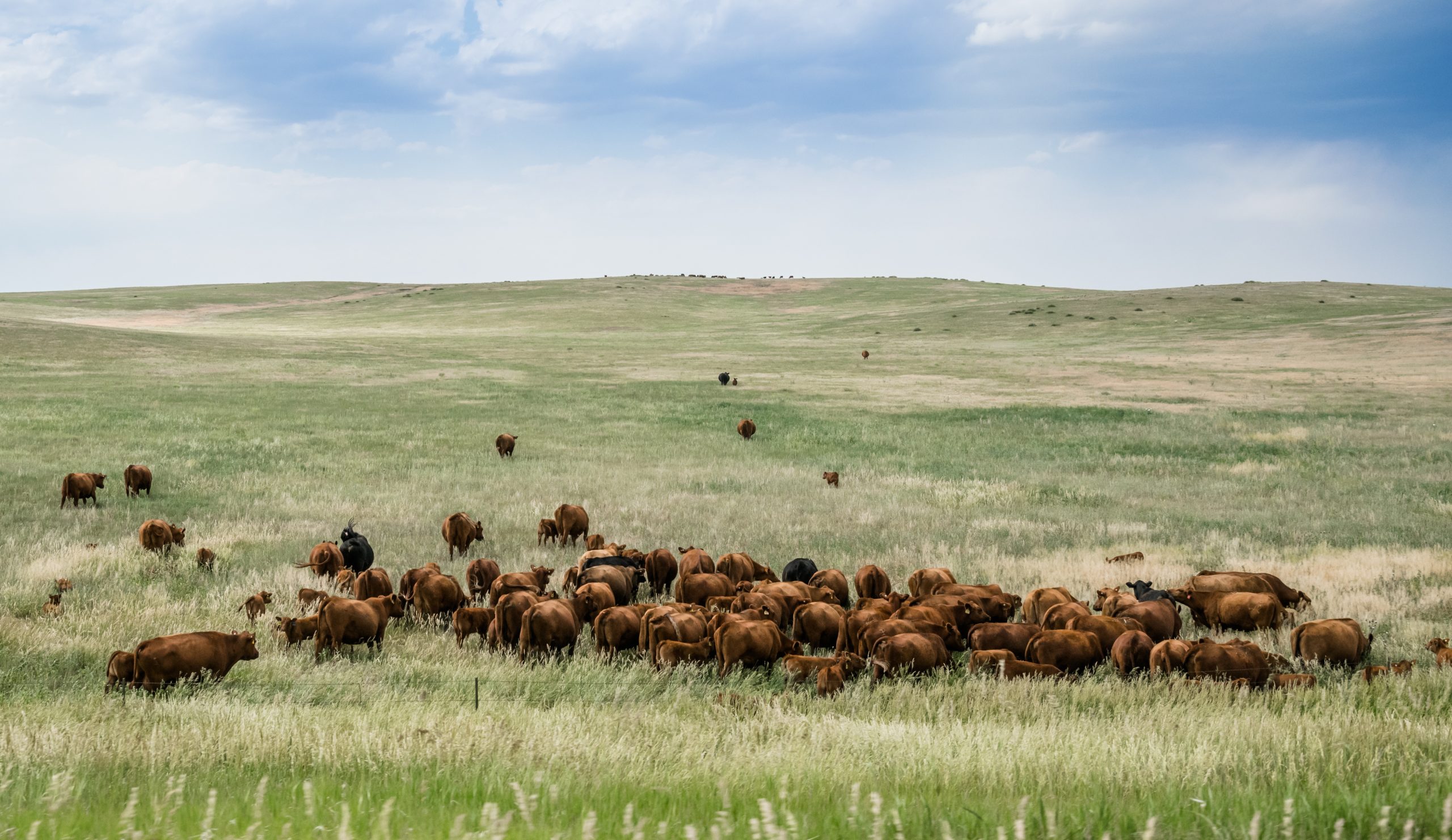
Livestock operations often qualify through changes in nutrition, health protocols or facility design aimed at improving outcomes.
Suppliers, whether in seed, biologicals or other inputs, may qualify as they develop or refine products.
Manufacturers or processors can qualify when they’re working to improve efficiency, throughput or production methods.
In most cases, the common thread isn’t innovation in the traditional sense. It’s problem-solving.
What this looks like in practice
One of the most common surprises is how often qualifying activity is tied to routine work.
Feed trials. Hybrid comparisons. Adjustments to facilities or production processes.
These aren’t projects created to generate a tax credit. They’re decisions producers were already making to improve the operation.
The difference is recognizing those efforts may have value beyond the field or the barn.
When credits are identified, the benefit often shows up as additional cash flow that can be reinvested back into the business—whether that’s equipment, labor, technology or the next round of on-farm testing. Importantly, it usually doesn’t require changing how the operation runs.
Why it matters right now
Recent tax law changes have created confusion around how R&D expenses are treated, and many businesses assumed the credit no longer applied or wasn’t worth pursuing.
But as the rules and planning approaches have become clearer, more ag businesses are taking another look and realizing there may be an opportunity they haven’t fully considered.
Timing matters here. Reviewing prior years and evaluating current activity proactively can make a meaningful difference in how much value is captured.
For many operations, the question isn’t whether qualifying work has been happening—it’s whether anyone has taken the time to evaluate it.
How it fits into your existing tax strategy
This isn’t about replacing your current adviser or overcomplicating matters. In fact, your certified public accountant should remain central to the process.
Before moving forward, it’s important to confirm the credit can actually be used. These credits require taxable income within the operating entity, or the entity receiving the credit, to be fully realized, and your CPA can help assess that.
In many cases, the strongest outcomes happen when your CPA works alongside technical specialists who can help identify and document qualifying activities.
That collaboration ensures the credit is properly supported and aligned with your broader tax strategy.
A different way to look at what you’re already doing
“Many farms are already performing activities that may qualify for the R&D tax credit—they just don’t call what they’re doing R&D. If you’re testing, comparing and adjusting to improve performance, health or efficiency, that’s exactly what the credit was designed for,” said Colt Springer, vice president at RK Partners.
Agriculture has always depended on finding ways to do things a little better each season. Every year brings new challenges, new variables and new decisions. The difference today is some of that work may qualify for a tax credit producers never realized they were already earning.
If you’re already focused on improving outcomes and fine-tuning the operation, it may be worth taking a closer look at whether those efforts qualify and how they fit into your broader financial strategy.
A good place to start is a conversation with your CPA.
Editor’s note: Keaton Dugan, a certified public accountant, advises farmers and agribusiness owners on strategic tax planning, succession strategies and long-term financial sustainability. Whether the goal is to expand operations, transition ownership or optimize tax structures, Dugan draws on his experience as a trusted adviser and his background working on his family’s multigenerational farm to deliver practical, tailored solutions. Contact him at [email protected].