Iowa Farm and Rural Life Poll highlights rising concerns about soil compaction
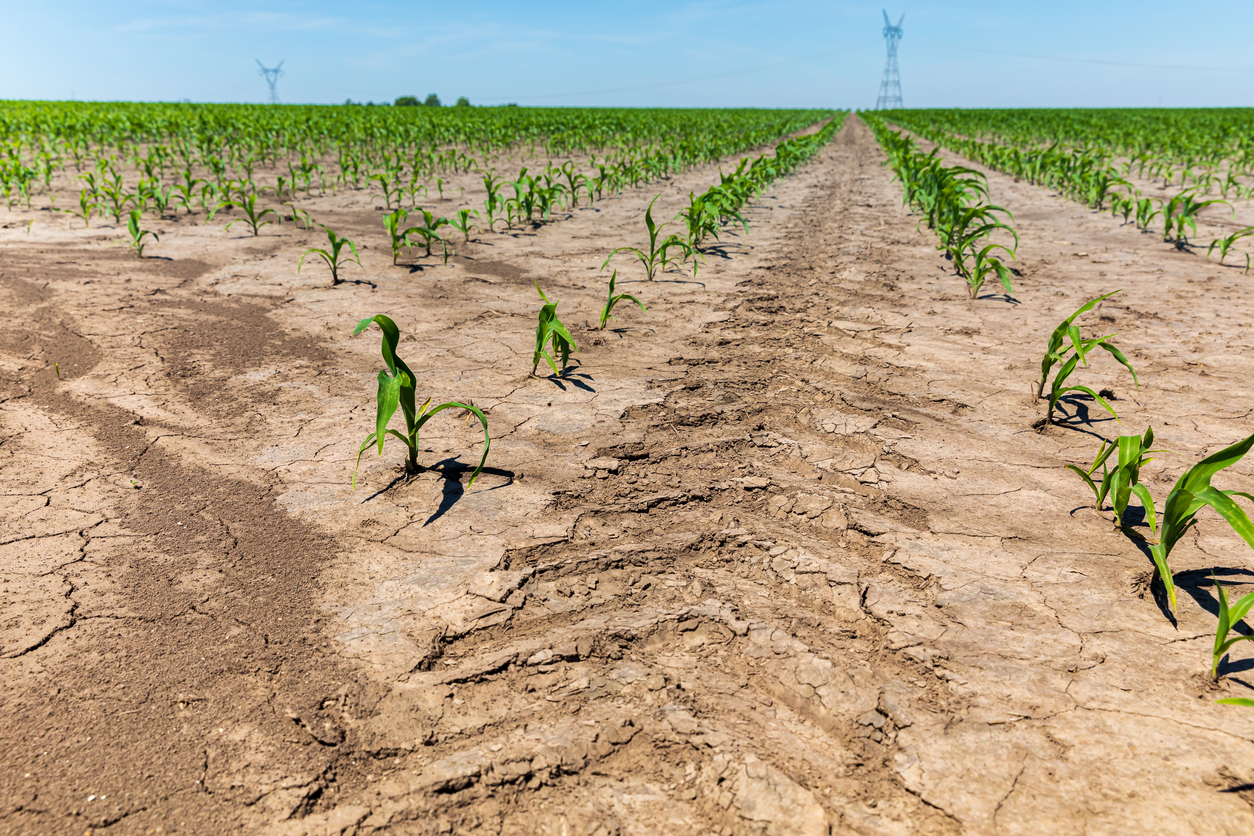
Farm equipment such as tractors, combines, grain carts and self-propelled sprayers have become larger and heavier in recent years, and concern about soil compaction and its impacts on crop yields has increased apace. The 2025 Iowa Farm and Rural Life Poll, conducted by Iowa State University Extension and Outreach, surveyed 945 farmers and found that they are increasingly concerned about soil compaction and that their views on management approaches are changing over time.
To examine evolving farmer perspectives on soil compaction, the 2025 Farm Poll survey included questions previously used in the 2013 Farm Poll, allowing researchers to compare responses over time.
In terms of concerns, 80% of respondents agreed that they are concerned about the impact of soil compaction on the land they farm, up from 70% in 2013. Similarly, 81% agreed that they are concerned about the impact of heavy agricultural machinery on soil health, an increase from 75% in 2013.
“Farms are getting larger while fieldwork windows are shrinking due to changing weather patterns, and equipment is getting bigger and heavier in order to plant and harvest faster,” said J. Arbuckle, director of the Farm Poll, professor and extension sociologist at Iowa State. “The results suggest that these changes are leading to increased worries about soil compaction and its impacts on yields.”
There are many ways that farmers can manage soil compaction, and some are more effective than others. The survey repeated several items from the 2013 survey and added new ones to reflect recent developments in compaction management.
Among the repeated items, consideration of soil moisture when planning fieldwork garnered the most agreement at 92%, nearly identical to the 91% found in 2013. Similarly, agreement that wheel traffic control is an effective means of compaction management was 65% in both years.
“There were also some important changes in perspectives,” said Mehari Tekeste, associate professor of agricultural and biosystems engineering at Iowa State. “Agreement that use of no-till, which can improve soil structure and help mitigate compaction, is an effective compaction management practice increased from 57% to 63%.”
The two new items included in the 2025 survey asked farmers about the use of cover cops and machinery with tracks rather than wheels as compaction management strategies. “Substantial majorities of farmers agreed that use of machines with tracks and planting of cover crops can help reduce soil compaction,” said Tekeste. “That said, for both items, 38% indicated uncertainty, which points to opportunities for additional outreach regarding these strategies.”
“The finding that 56% of farmers agreed that cover crops can reduce soil compaction is important given that, in addition to compaction management, cover crops can also improve soil fertility and water quality by keeping nutrients in place,” Arbuckle added.
“As farmers prepare for the 2026 planting season, it’s important that they consider compaction management strategies to maintain potential productivity,” said Tekeste.
Farmers can review the ISU Extension and Outreach publication, “Understanding and Managing Soil Compaction,” to help with fieldwork planning.
For more information, contact Arbuckle at [email protected].
About the Iowa Farm and Rural Life Poll
Conducted annually since 1982, the Iowa Farm and Rural Life Poll gathers insights from farmers statewide to inform research, extension programs and policy decisions. This report and previous reports are available through Iowa State University Extension and Outreach.
PHOTO: Tractor tire tread mark between rows of corn in farm field. (iStock │ #1313192183 – JJ Gouin)