USDA reveals $25 million sterile fly facility with reopening of Arizona port
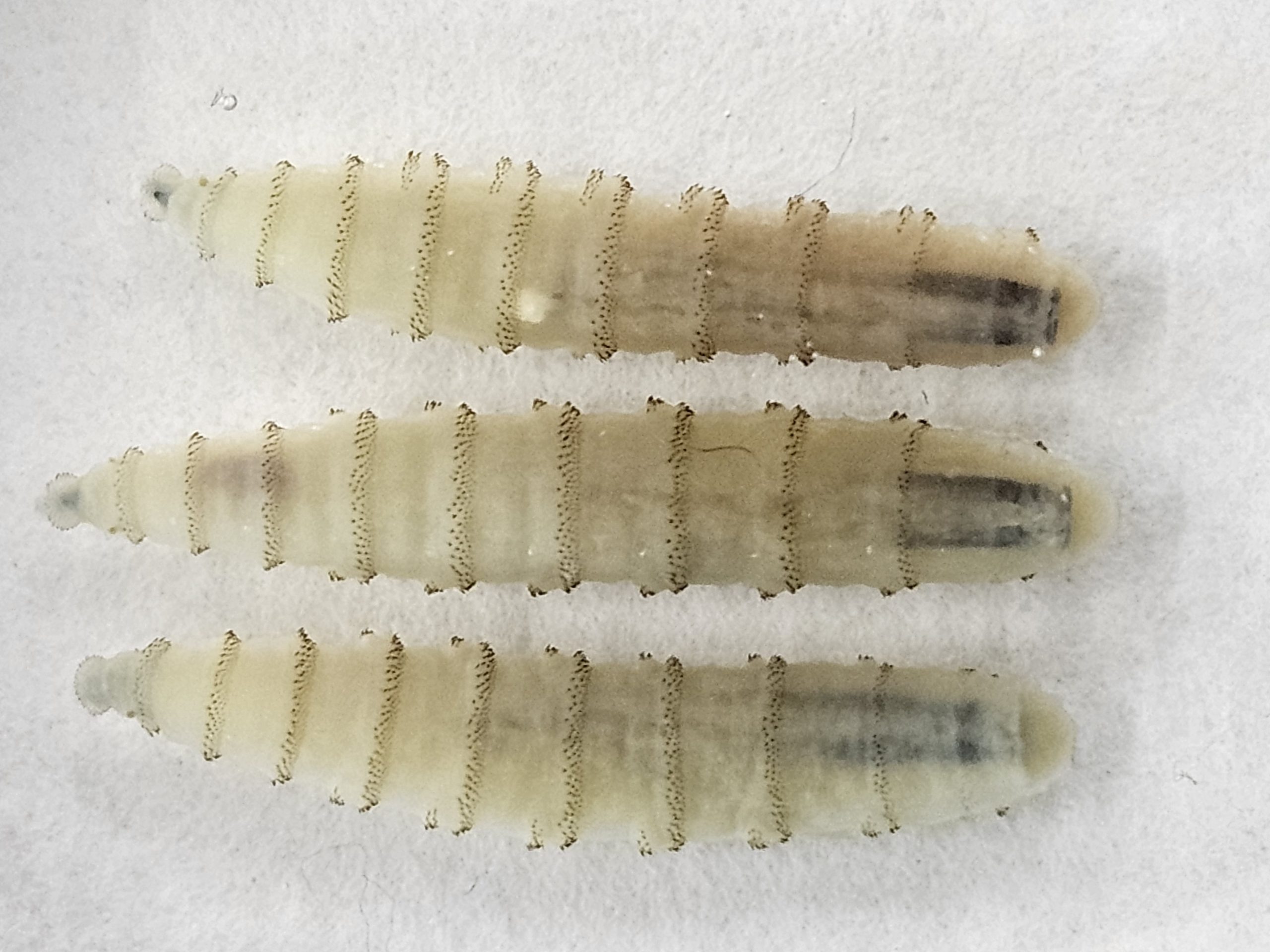
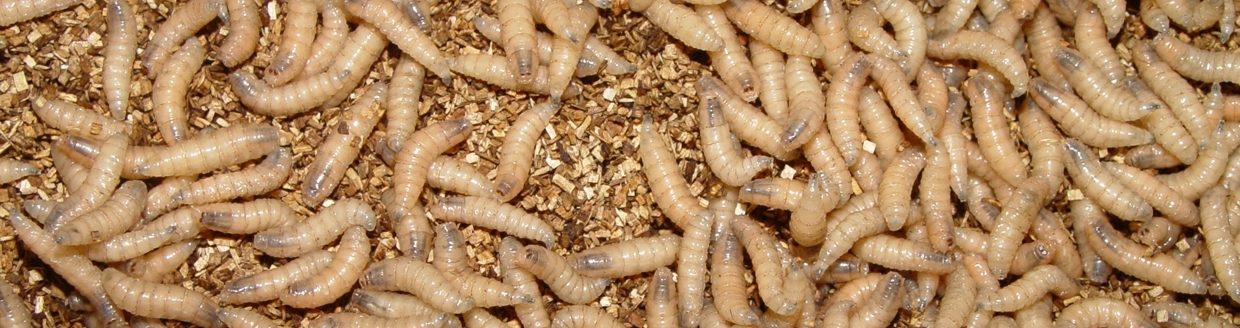
The U.S. Department of Agriculture announced a $25 million investment in a proposed sterile fly dispersal facility in Arizona as it prepares to reopen the Douglas Port of Entry to livestock trade. The port is scheduled to be reopened Aug. 24 under enhanced inspection protocols designed to prevent the spread of New World screwworm.
Secretary of Agriculture Brooke Rollins made the announcement July 29 during a visit to the Douglas livestock inspection facilities.
The proposed dispersal facility is part of USDA’s broader strategy to increase sterile fly production and distribution capacity to combat NWS. USDA said the facility would complement existing operations in Texas, Mexico and Panama, and improve the department’s ability to respond to outbreaks along the Southwest border.
A confident and controlled reopening
“Protecting American agriculture begins with protecting our borders and ensuring we have the strongest animal health safeguards anywhere in the world,” Rollins said. “The Douglas Port of Entry will reopen only because USDA has implemented one of the most rigorous livestock inspection protocols in history, giving us confidence we can safely resume this critical trade while ensuring cattle crossing the border are free from New World screwworm.”
Rollins said the investment also supports the department’s long-term strategy to push the pest farther south.
“Today’s announcement marks another major investment in our long-term strategy to push this pest back into Mexico and ultimately eradicate it from North America,” she said. “Together with our partners in Arizona, we’re strengthening the infrastructure needed to protect American ranchers for generations to come.”
USDA said every animal entering through the Douglas port will undergo multiple veterinary inspections, including an inspection by USDA veterinarians before entering the United States. Animals that fail to meet USDA’s Animal and Plant Health Inspection Service import requirements will be denied entry. According to USDA, any detection of NWS would immediately halt livestock imports through the facility.
Exercising caution
The USDA said it will work with the Arizona Department of Agriculture and state leaders to determine the location and operating plan for the proposed dispersal facility in Douglas. Depending on the site and available infrastructure, construction could be completed within several months.
USDA said APHIS and Arizona personnel have maintained trapping operations near Douglas during the past year, submitting nearly 1,000 flies for identification. None was identified as NWS, according to the department.
Federal and state officials have also conducted preparedness exercises, response planning, stakeholder outreach and training in preparation for a potential detection of the pest.
Last week, USDA announced a phased reopening of southern livestock ports contingent on Mexico’s continued implementation of the Joint Action Plan to combat NWS. The department selected Douglas as the first port to reopen because Sonora maintains what USDA described as one of Mexico’s strongest animal health systems and remains the lowest-risk state for the pest.
USDA said it will consider reopening the Santa Teresa and Columbus, New Mexico, ports after evaluating the Douglas reopening and continuing disease risk. USDA said it will continue monitoring conditions and could pause or adjust reopening plans if the risk changes.
Lacey Vilhauer can be reached at 620-227-1871 or [email protected].