Changing Missouri weather fuels tick populations
Missouri’s changing weather patterns are creating more favorable conditions for ticks, increasing concerns for the agricultural community and anyone who spends time in fields, forests or backyards.
Warmer winters, earlier springs and periods of high humidity allow ticks to survive in greater numbers, become active earlier in the year and remain active later into fall, said University of Missouri Extension state climatologist Zachary Leasor. Traditionally, Missouri’s cold winters helped reduce tick populations. That natural control is weakening as winters become more mild. The state’s average wintertime temperature has been warmer than average eight of the past 10 years.
Blacklegged ticks, lone star ticks and American dog ticks can survive winter conditions by sheltering under leaf litter, crop residue and snow cover, said University of Missouri Extension urban entomologist Emily Althoff.
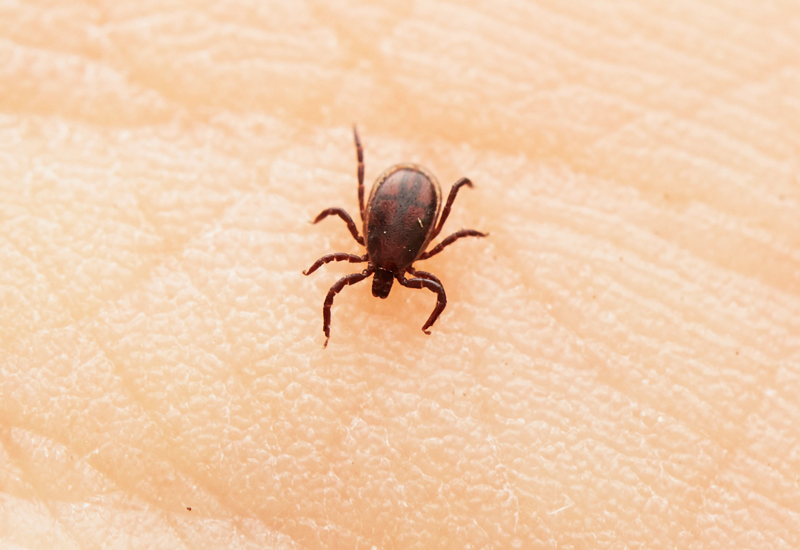
PHOTO: Tick. (Adobe Stock-#82680278 │ Chalabala)